


About
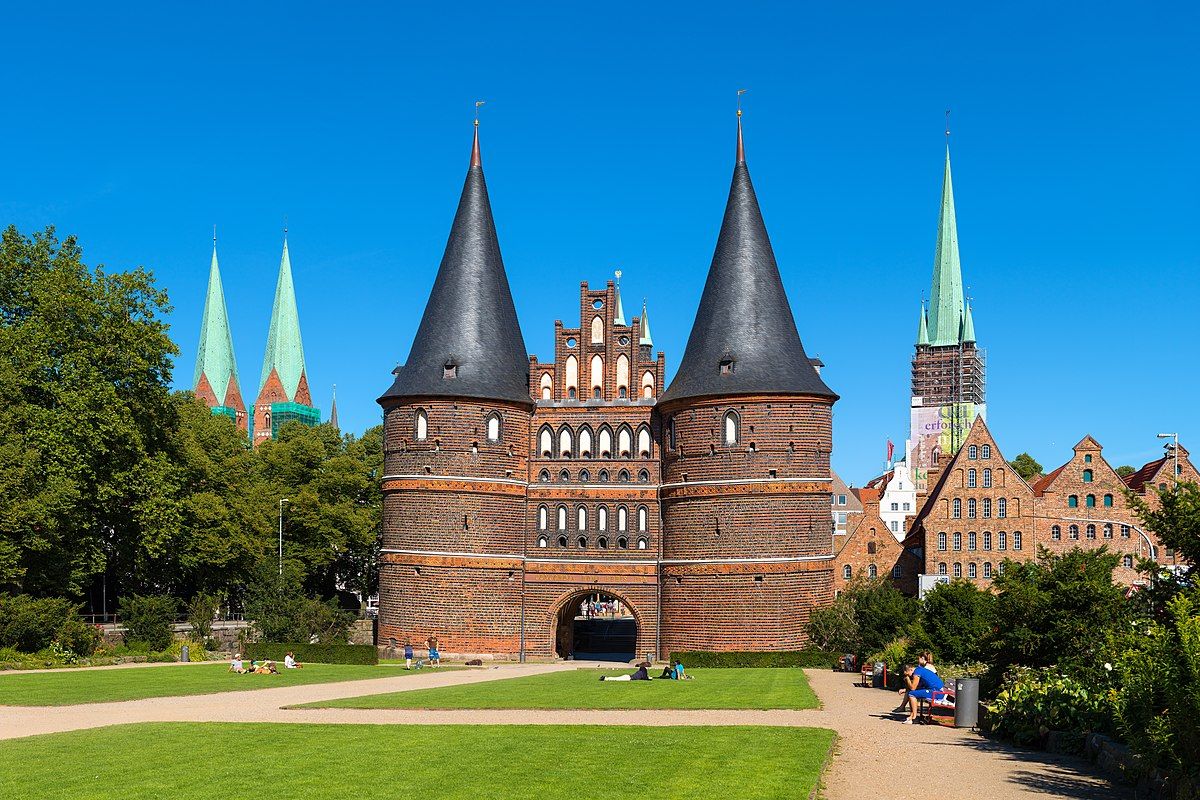
The Holstentor Museum is a museum in Lübeck dedicated to the history of the Hanseatic city. It is located in the Holstentor, the city gate of late Gothic construction which delimits the historic city center to the west. The Holstentor is a symbol of the city and is one of the most famous monuments in all of Germany. The museum housed in the building is organized into 7 thematic rooms connected by a narrow spiral staircase along three floors of the building. The museum deals with the history of Lübeck, its importance as a free city from the Empire and its supremacy in the Baltic Sea region. It shows its trade, economic power, wealth and everything that defines Lübeck's historical significance.
Long-distance trade, city fortifications and the construction of the Holstentor are shown on the first floor of the museum. The second floor tells the sea and navigation routes and the turtle-shaped urban model of the city center. On the third floor, the law of Lübeck and the important historical families of the city and the medieval instruments of torture that were used are explained. The large scale model of the city of Lübeck presents the prototype of a Hanseatic city built exclusively of brick, which over time has become a model for many other cities in the Baltic Sea region.
Programme and activities
Guided tours, exhibitions and events at Museum Holstentor will appear here. Follow the museum to get updates.


