About
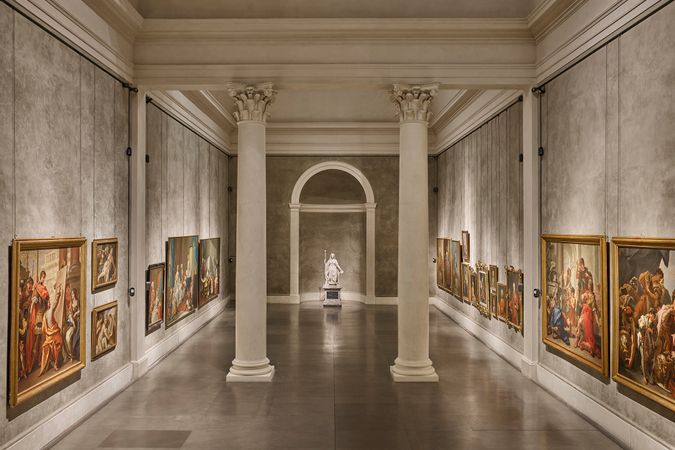
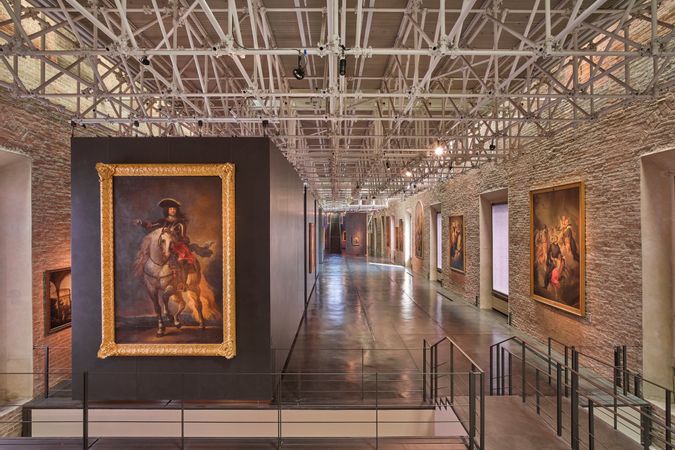
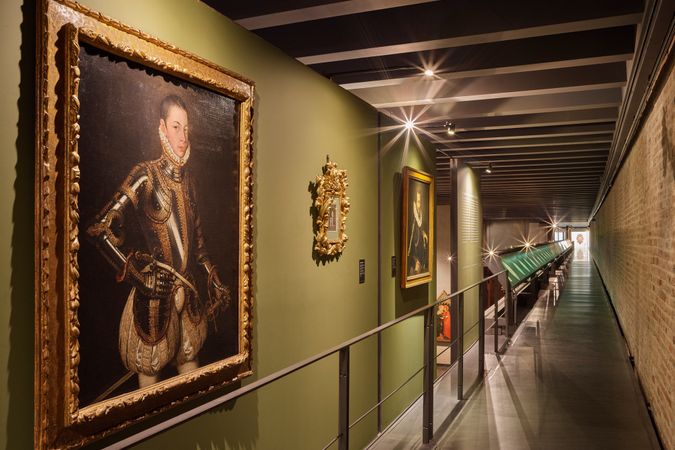
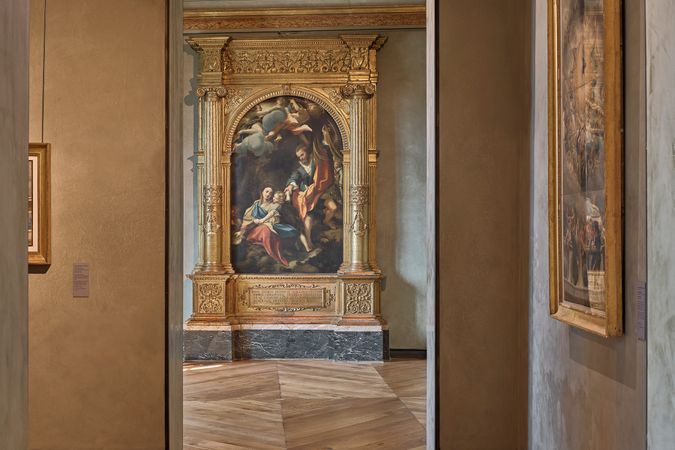
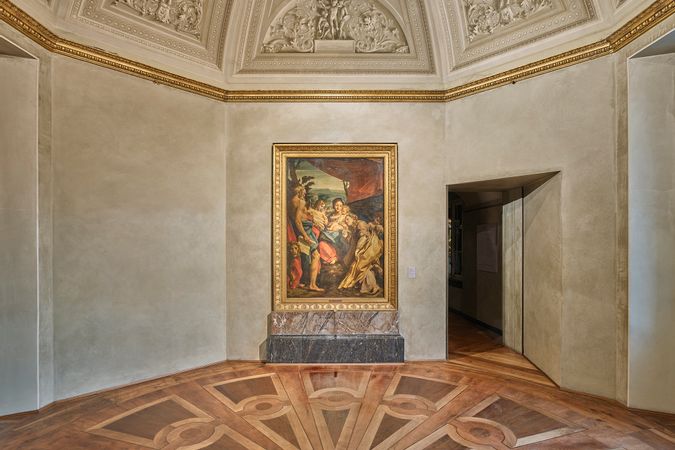
In the mid-17th century, the famous Farnese collection was transported from Rome to Parma, making it one of the cultural capitals of Europe at the time. This privilege did not last long and in 1734 the entire collection was transferred to Naples by Charles of Bourbon, who left all the residences of the duchy unadorned. It will be the arrival, in 1748, of Duke Philip of Bourbon, and of his wife Luisa Elisabetta of France, daughter of Louis XV, to compensate the city. The foundation of the Academy of Fine Arts, established in 1752 with Enlightenment intentions, the essays by the students and the winning paintings of the famous competitions, together with new and copious ducal collections, the result of a complex history of commissions, purchases and donations, contributed to the birth of the current Gallery and its spectacular collection of masterpieces. The subsequent transformation into a "museum" is due to Maria Luigia of Austria who, at the beginning of the nineteenth century, commissioned the architect Nicola Bettoli and the director of the Galleria Paolo Toschi to design a new exhibition arrangement capable of giving maximum prominence to the large altarpieces of Correggio, returned after the Napoleonic expropriations, alongside the numerous paintings and new acquisitions. Thus was born the first Galleria Ducale, profoundly modernized in the last part of the twentieth century and today the fulcrum of an overall expansion and re-musealization work.
Artists on show


 +5
Programme and activities
Guided tours, exhibitions and events at National Gallery will appear here. Follow the museum to get updates.
What to see
See all (23)