
About
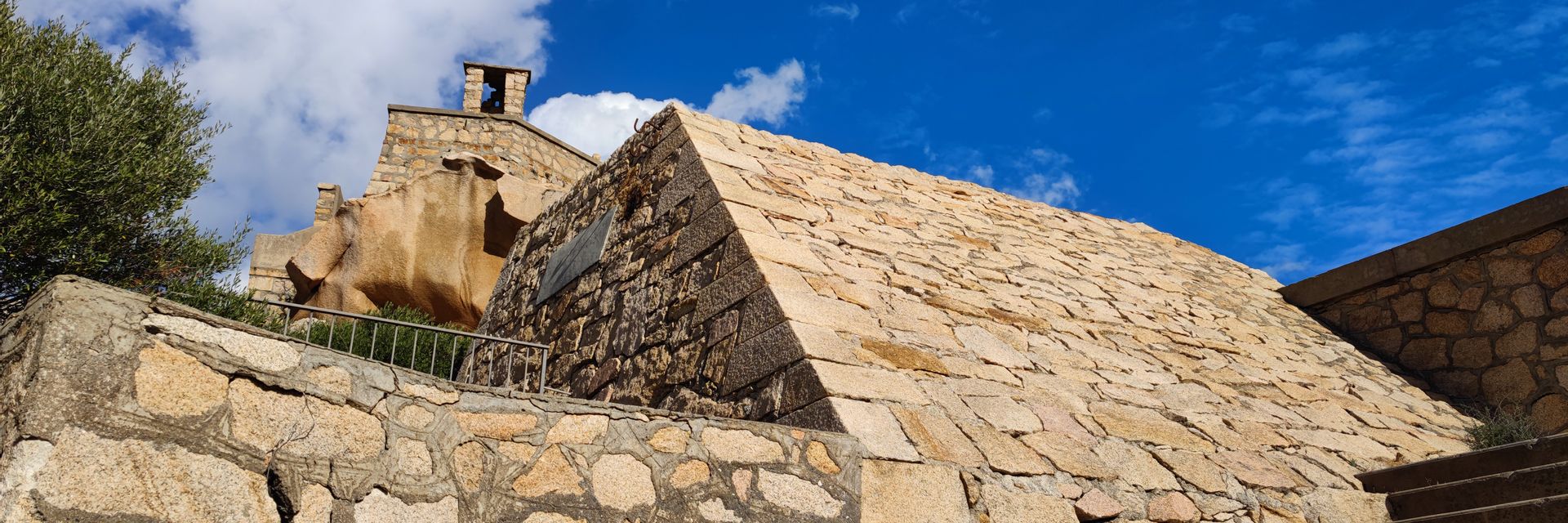
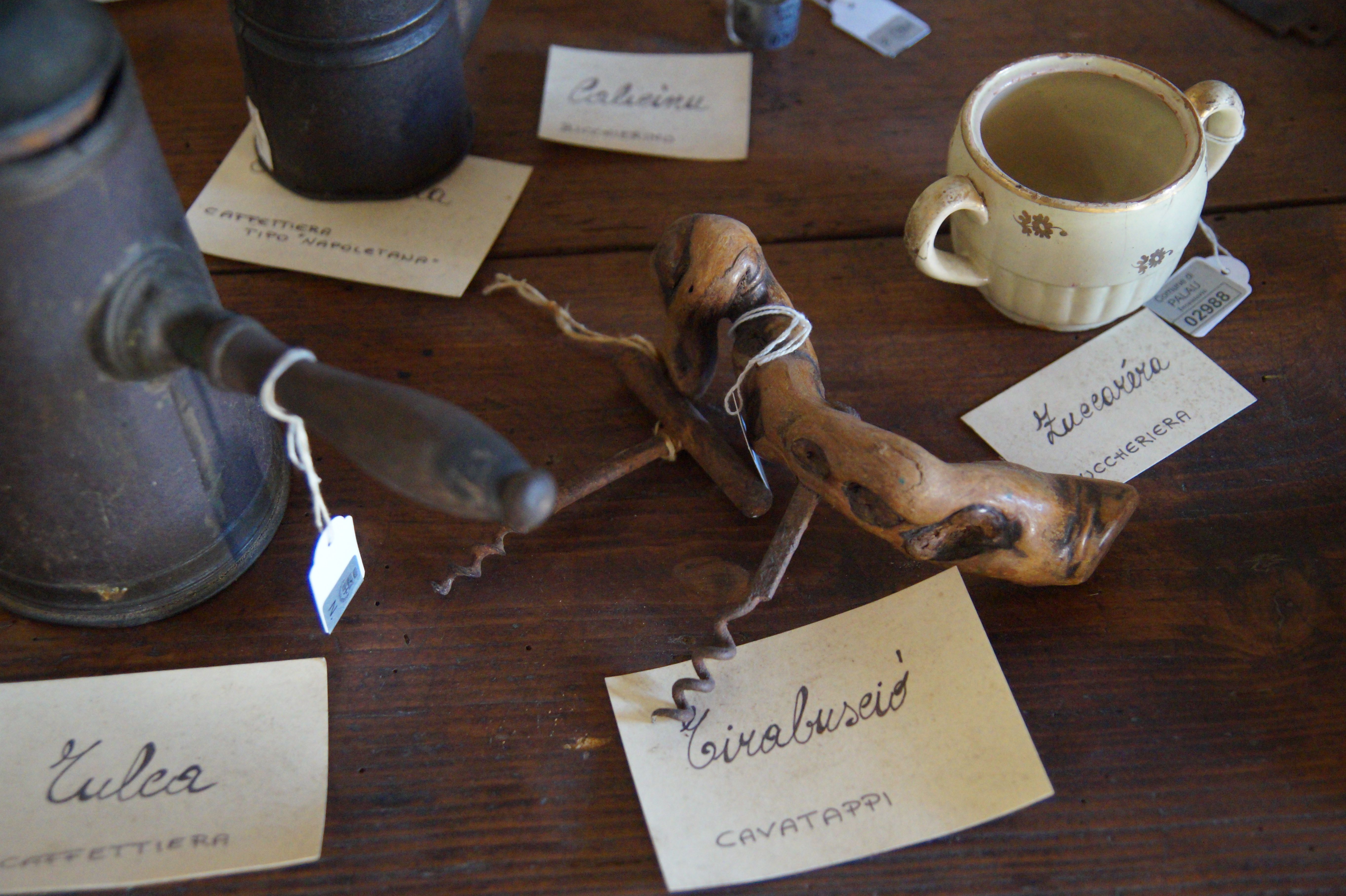
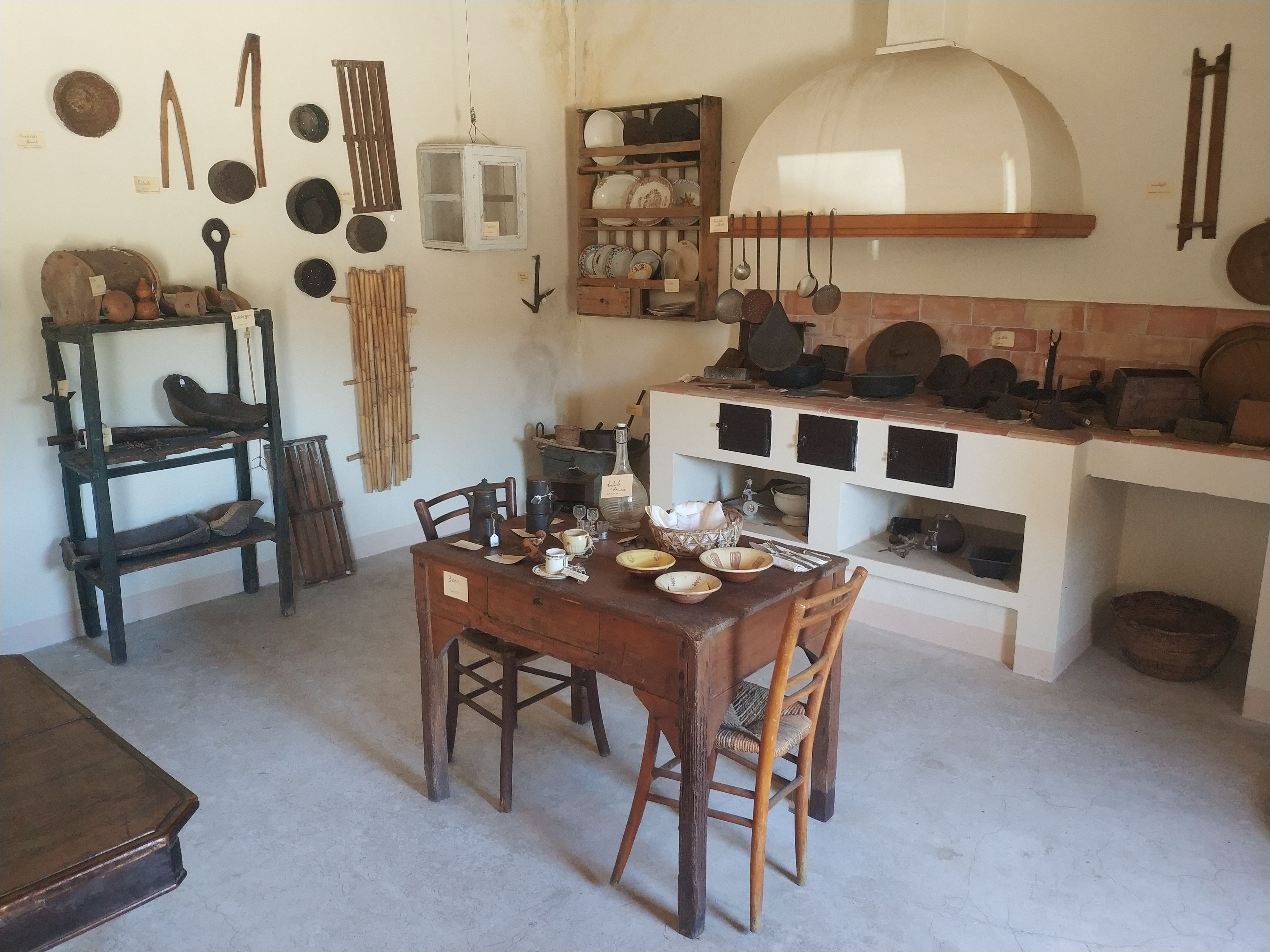
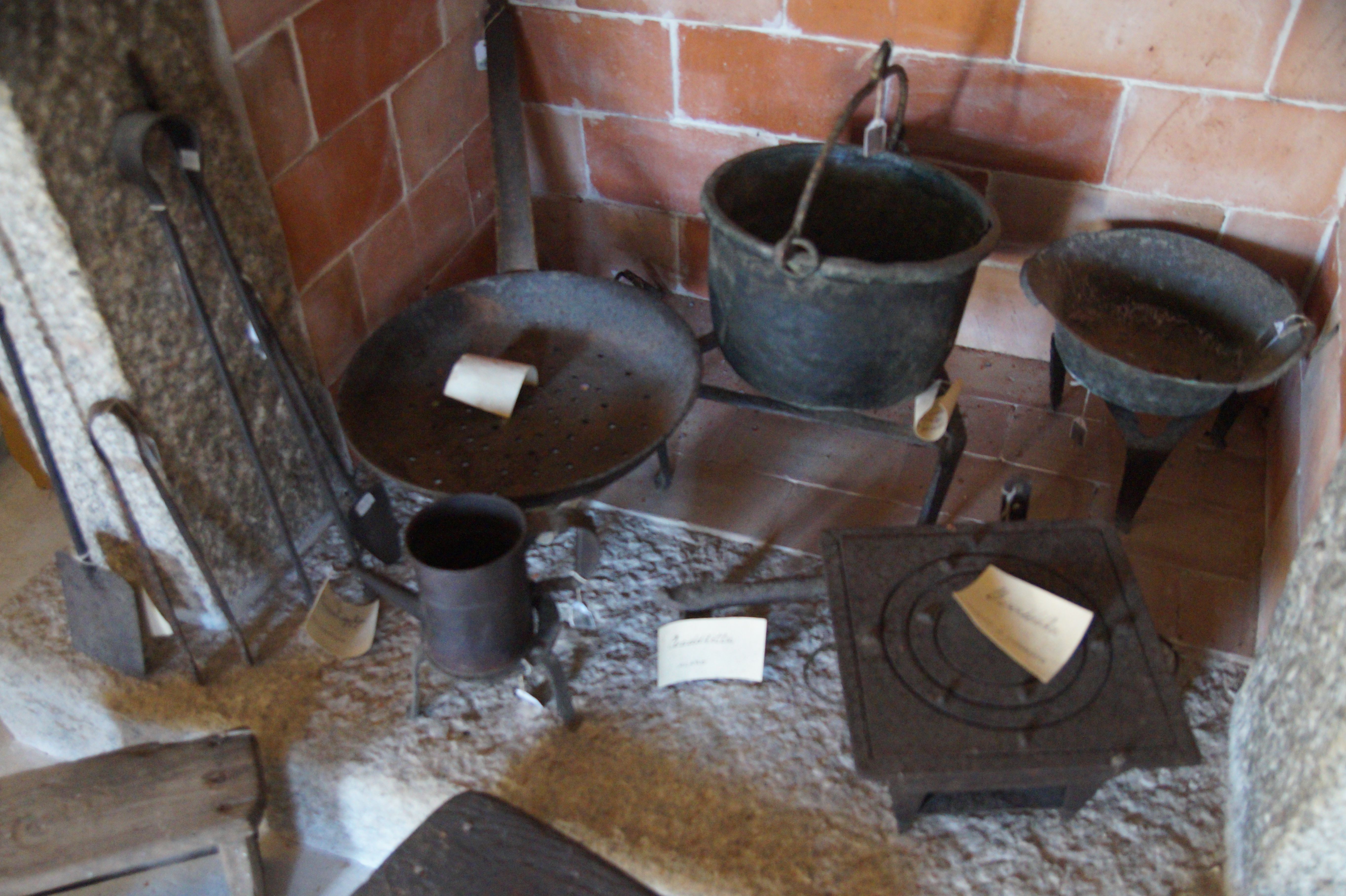
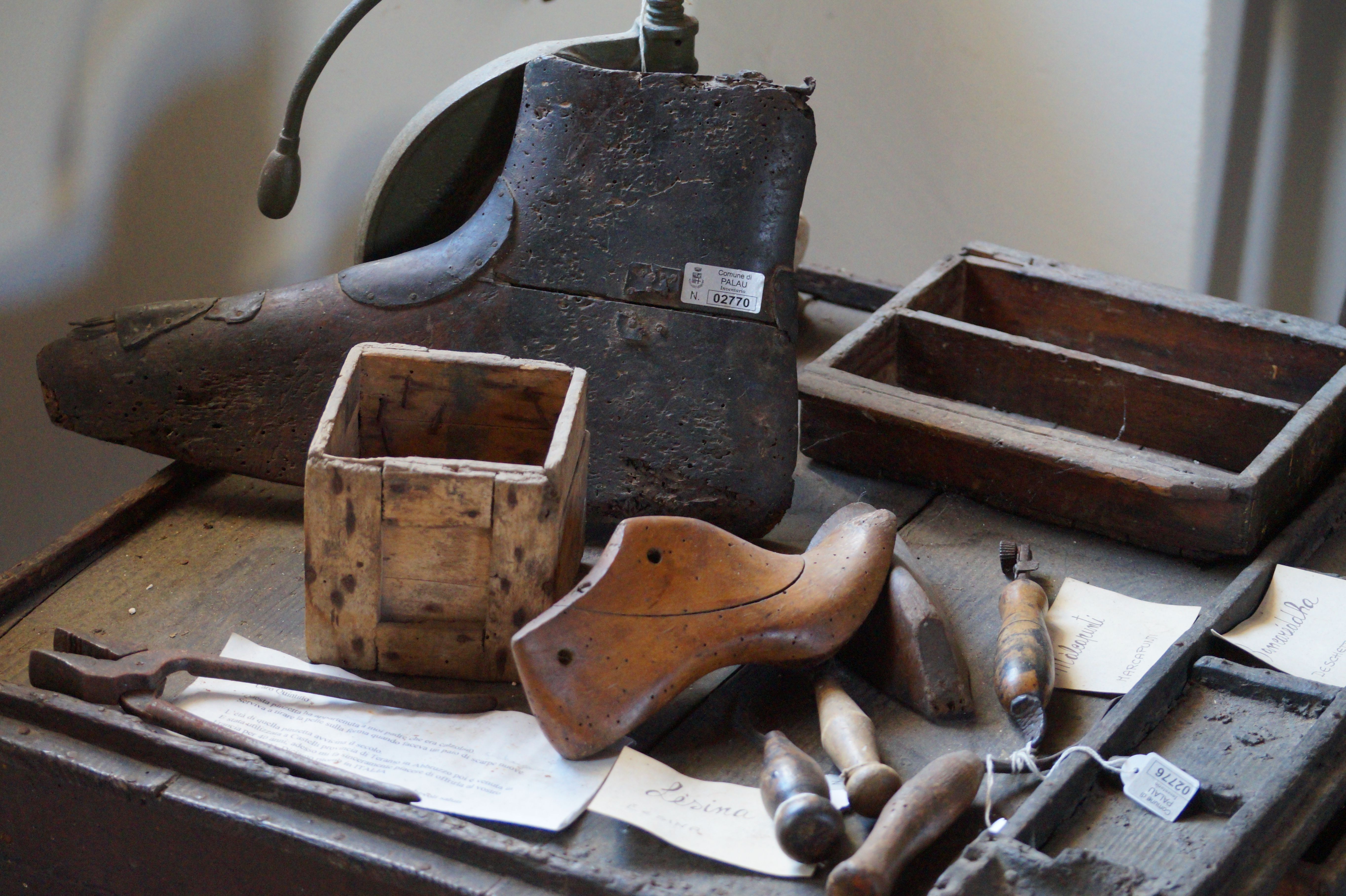
In a landscape dotted with the whiteness of sunny pens, the history of the civilization that inhabited them begins. The genealogies of the first families of Palai are intertwined in the shade of the junipers bent by the mistral wind, along the course of the Liscia river. Soon they would move to the village, to Lu Palau, to dive from the tegghja of Palau Vecchio, everyone's beach. Inside the farm every room is imbued with ancient flavors and scents. Dense vapors come from the kitchen, the milk boils shaken by the hypnotic movement of the bulia which, as in an alchemical rite, transforms it into miciuratu, brocciu, casgiu. Not just any cheese, but one of those that can take on the most disparate shapes. Sometimes it's a little bird, sometimes it's a flower, but mostly it's like a big pear. A pear that tastes like cheese, hung on the hanger to ripen, destined to decorate the tables of the Palaesi. And so in the Ethnographic Museum the smell of cheeses is evoked by the fulculi on display, the scent of freshly roasted coffee comes to life in the toasters hanging next to the ciminea, while the cork baliri, once filled with fresh water, stands out on the balastragghju. The roasted chestnuts seem to still crackle in the iron pan, in the distance the memory of the scent of the oranges collected in large corbules placed at the foot of the bed mixes with that of the ravioli served with the foaming truddha. A busciaccara recalls that there were few distractions for the Gallura woman who was always busy in her role as administrator, perhaps only a tobacconist, the only pleasure from the day's efforts, together with that mysterious world of amulets and Christian devotion. The echo of li steddi, the children, often broke out of the courtyard, lu pastricciali, theater of infinite games. Presses, plows and yokes kept in the Ethnographic Museum remind us that in the meantime the men were busily engaged in the usual work in the fields. The harsh cycle of the seasons pushed everyone, men and women, to anxiously await the period of weddings and country festivals, unmissable opportunities for socializing to the rhythm of the Scottis rounds. The most authentic Gallura lives here, inside the Ethnographic Museum of Palau, in its collection of stories, among olive trees and granites, where it seems as if there is no sea.
Programme and activities
Guided tours, exhibitions and events at Palau Ethnographic Museum will appear here. Follow the museum to get updates.