Largo de São Julião, Lisbon, Lisbon
Closed today: open Wednesday at 10:00

Contact the museum

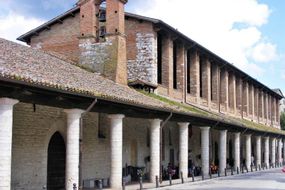
In the heart of Lisbon's Baixa district, the former Igreja de São Julião, renovated between 2007 and 2012, has been home to the Museu do Dinheiro since 2016, a project of the Banco de Portugal transformed into a museum space by architects such as Gonçalo Byrne and João Pedro Falcão de Campos.
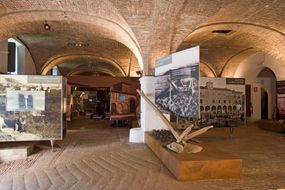
The museum offers an interactive journey through the history of money: from pre-monetary exchange systems to modern global currencies. Thematic rooms illustrate the evolution of coins, banknotes, monetary iconography, typographic production, and the role of the central bank in society.
Among the most famous pieces are a 12.6 kg gold bar (almost 99.9% pure), available for visitors to touch, an extraordinary Japanese Oban coin, the first Chinese banknote, ancient coins like the third "estater" and that of D. Sancho II - the only known specimen in the world. The museum also allows visitors to mint personalized coins or print banknotes with their own face, thanks to interactive stations accessible online as well.

Largo de São Julião, Lisbon, Portugal
Opening hours
| opens - closes | last entry | |
| monday | Closed now | |
| tuesday | Closed now | |
| wednesday | 10:00 - 18:00 | |
| thursday | 10:00 - 18:00 | |
| friday | 10:00 - 18:00 | |
| saturday | 10:00 - 18:00 | |
| sunday | 10:00 - 18:00 |