From 29 March to 10 January 2027


Pinault Collection presents an exhibition by Amar Kanwar that brings together two important multimedia installations on the second floor of Palazzo Grassi. Characterized by a poetic and philosophical approach to individual, social, and political issues, Amar Kanwar creates a space of intersection between art, documentation, and activism. His installations invite to experience a meditative journey with human nature, combining visual intensity, commitment, and narrative depth.
Amar Kanwar (born in 1964, India) has stood out since the 1990s for his films and multimedia works that explore the politics of power, violence, and resistance. Kanwar's gaze is that of an observer in search of images and representations documenting the contemporary history of South Asia. By bringing out parallel narratives, the director relies on archival documents and real testimonies, as well as poetic images, to create a layered narrative. Going beyond social or political judgment, Kanwar transcends personal and collective narratives.
His installation The Torn First Pages (2004-2008), presented in the rooms of the second floor of Palazzo Grassi, documents the complexity of the struggle for democracy in Burma. The work represents Kanwar's practice of collecting, synthesizing, and reusing archival documents. The title of the installation pays tribute to a protest gesture by the bookseller Ko Than Htay, who tore out the first page of every book he sold — the page that, by law, contained the declarations of the political objectives of the military dictatorship. Through printed materials and videos projected on sheets of paper, the artist draws attention to the atrocities of the regime, as well as to the power of political protest in Burma and the world.
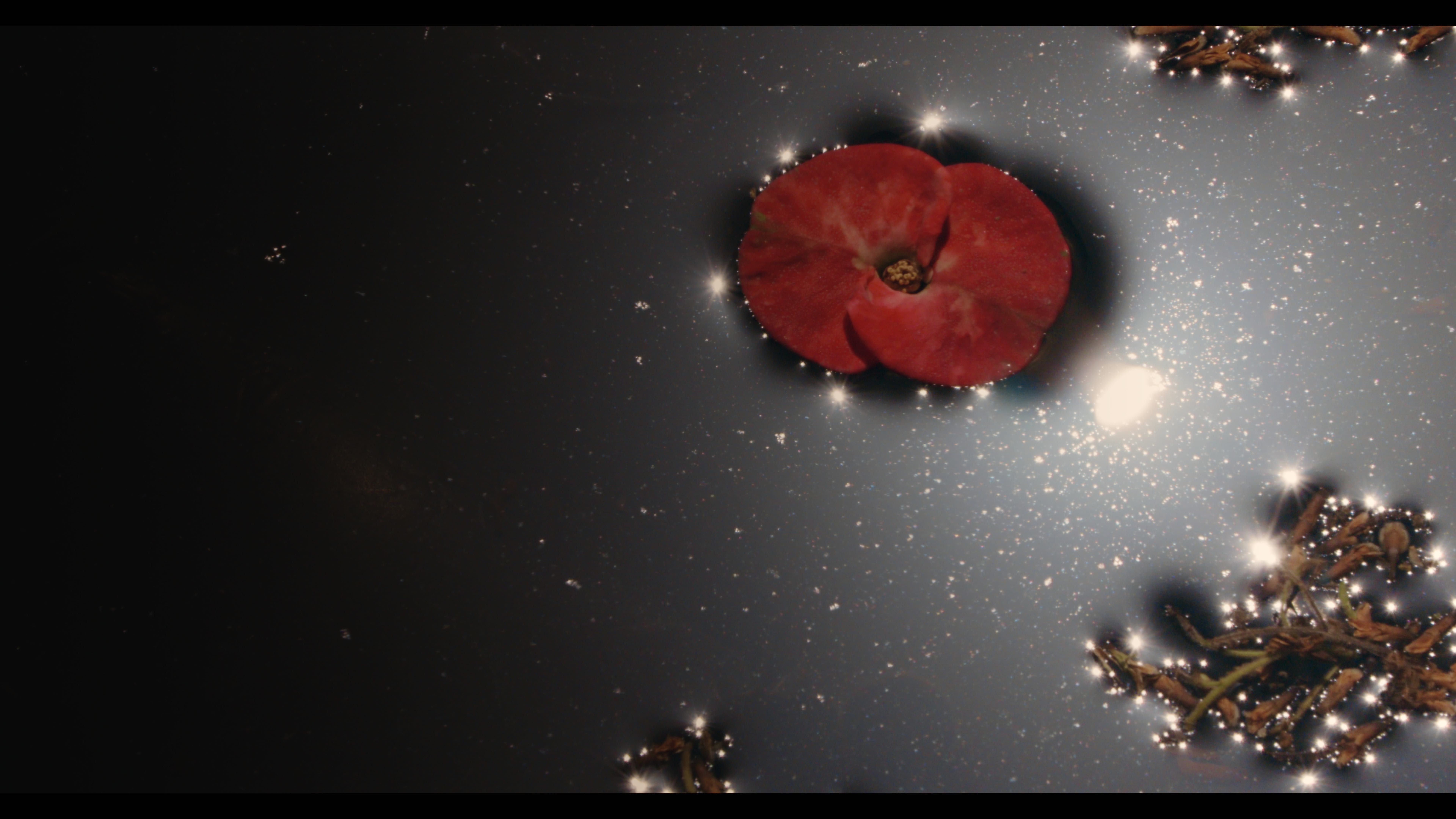
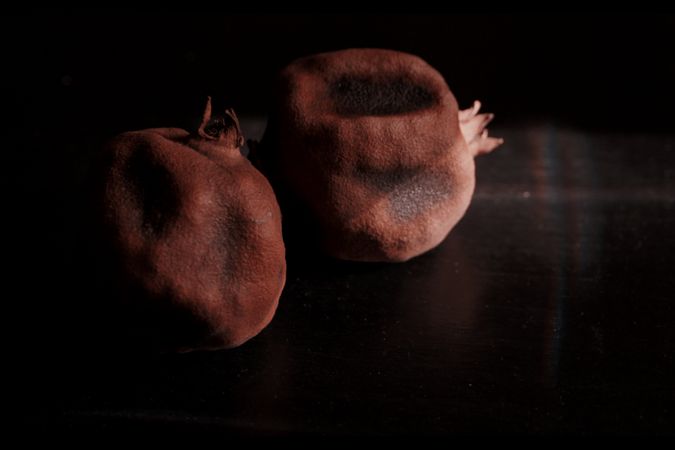
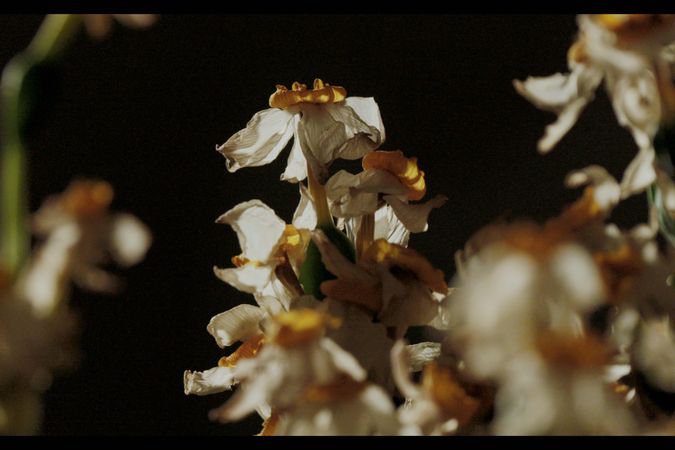
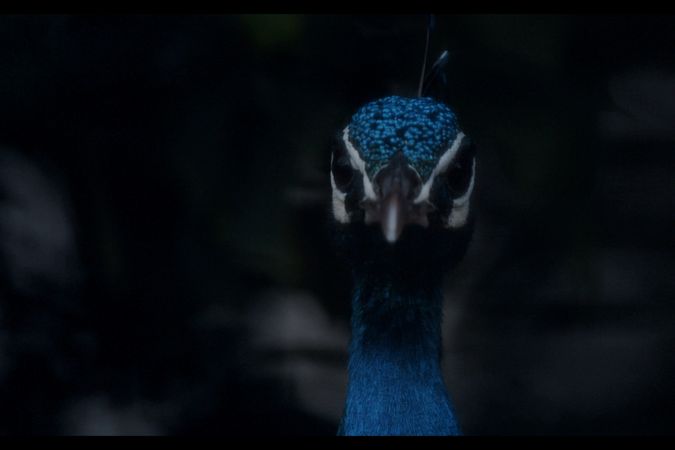
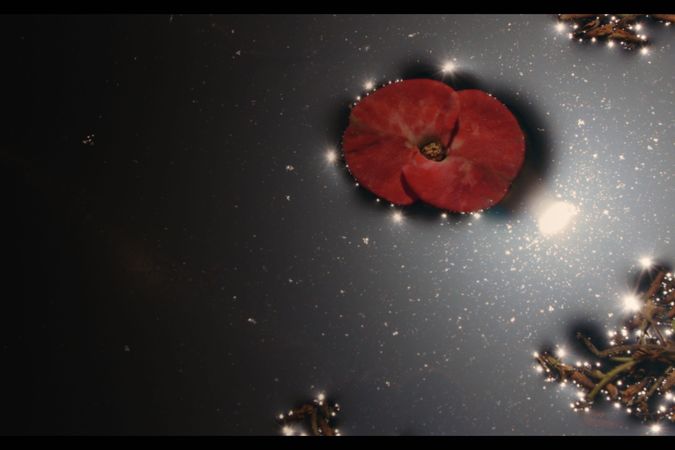
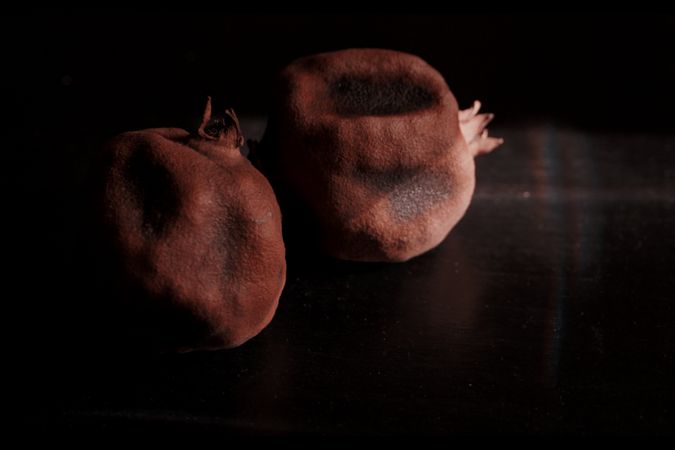
Immersed in darkness is presented the artist's most recent work The Peacock’s Graveyard (2023). A contemporary reflection on death, impermanence, and the cycle of life, this work is the latest created by the artist and is part of the Pinault Collection. Seven invisible screens, containing images or texts, weave a floating choreography that evokes the magic of proto-cinema. A powerful and vibrant raga (melodic Indian classical music based on improvisation) performed by pianist Utsav Lal imposes a slow rhythm that evolves into a trance. Fully exploiting the potential of this multifocal narrative, Amar Kanwar does not film figures or use voices, but the text is accompanied by metaphorical and abstract images. In these five stories written by the artist (for a total experience of 28 minutes), a furious priest, an executioner taught a lesson by a tree, a landowner who breaks a promise, a reincarnated president, and two friends saved from their quarrels meet. Kanwar describes these simple and metaphysical fables as tools that help us regulate our relationship with the world, its violence, and power relations — small stories for adults to take away with them.

Campo San Samuele, Venice, Italy
Opening hours
| opens - closes | last entry | |
| monday | 10:00 - 19:00 | |
| tuesday | Closed now | |
| wednesday | 10:00 - 19:00 | |
| thursday | 10:00 - 19:00 | |
| friday | 10:00 - 19:00 | |
| saturday | 10:00 - 19:00 | |
| sunday | 10:00 - 19:00 |
From 10 October to 29 November 2026
Colpevole. Allegorie della condizione umana
Michele de Napoli Art Gallery, Terlizzi
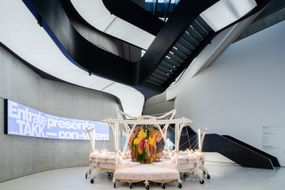
From 20 March to 10 January 2027
I'm sorry, but "TAKK" is not a sentence in Italian. Could you please provide a sentence in Italian that you would like me to translate into English?
MAXXI, Rome
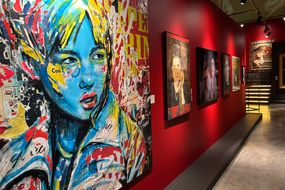
From 21 July to 1 November 2026
Rebel Muses. Women, image, power in the history of art
Former Church of Santo Stefano, Mondovì
From 25 October to 2 December 2026
Cristina Meloni | Thresholds
Museum of Organic Environmental Art, Tempio Pausania