About
The ancient Roman colony of "Portus Lunae" was founded in 177 B.C. at the mouth of the Magra river after fierce battles against the Ligurians for the conquest of the territory. The city became a prosperous center and had a very long life until the 12th century, when its decline (the floods of the Magra river modified the plain, moving the coastline much further ahead) was mentioned by Dante Alighieri in the 16th Canto of the Paradise. The prosperity of Luni, due to the direct management of the marble quarries - now called Carrara marble but in Roman times was called "lunense" - and its trade, can still be recognized today in the luxury of the ancient mosaics of the domus, in the wall frescoes, and in the grandeur of the public and religious buildings.
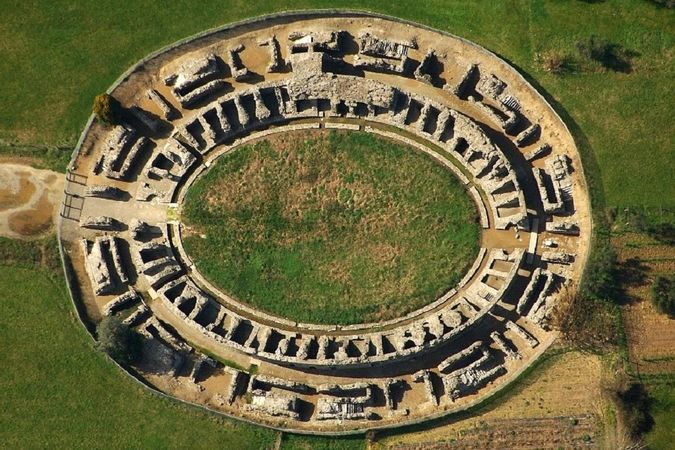
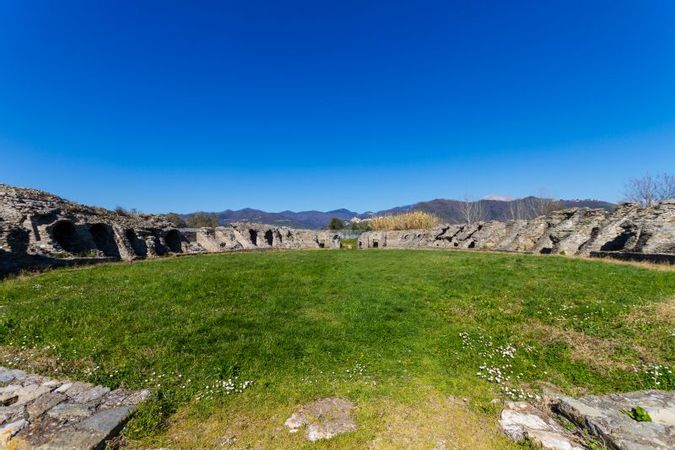
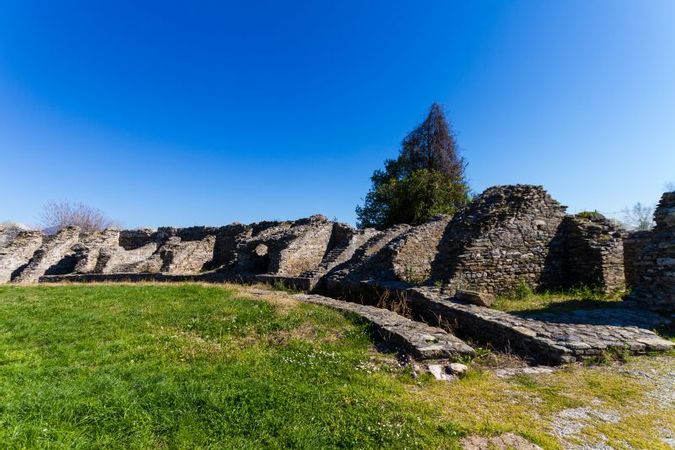
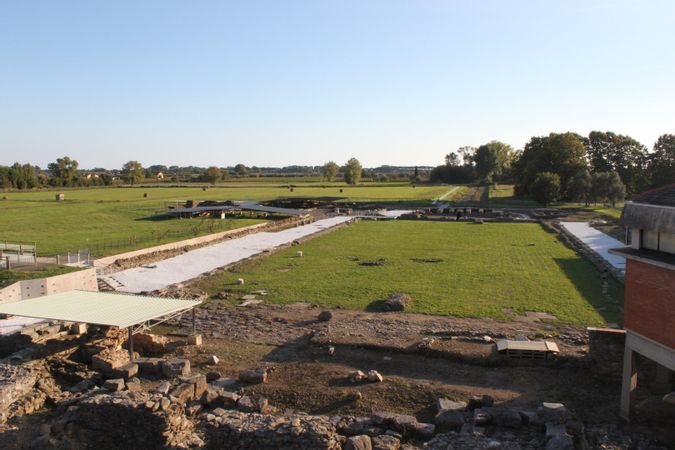
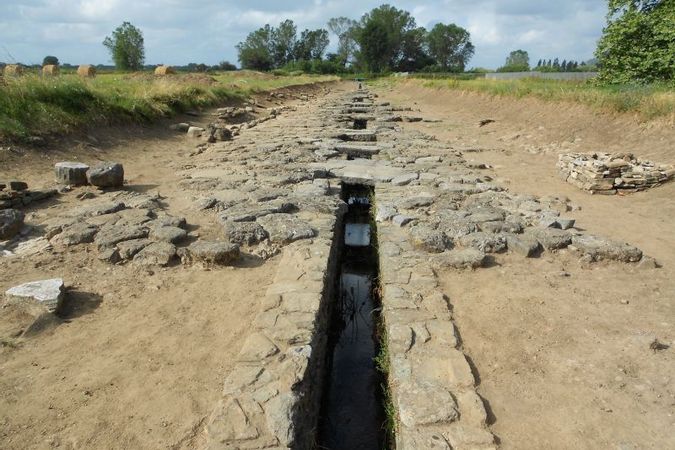
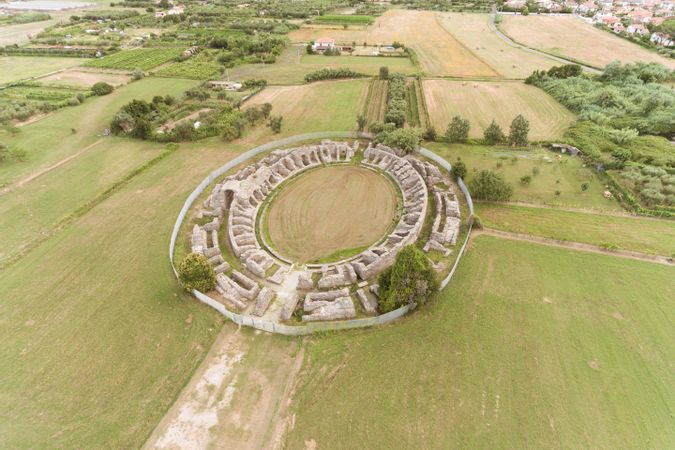
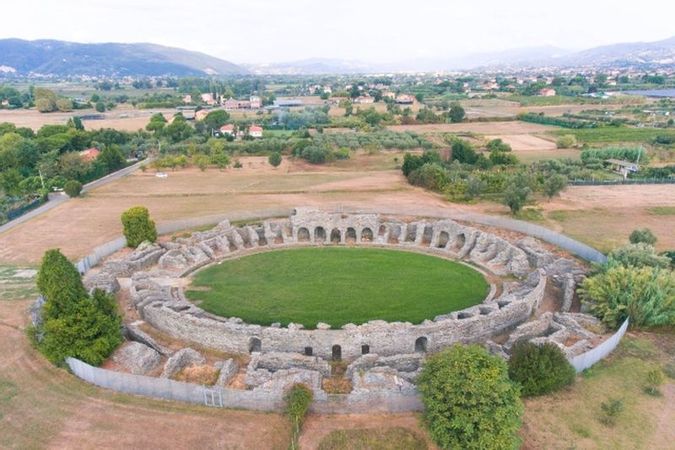
The city of Luni, surrounded by walls and facing the sea, was organized in elongated rectangular blocks and had a large public area, the forum, where the cardo and decumanus intersected and are still partially passable today. Overlooking the forum was the Capitolium dedicated to the Capitoline triad Jupiter, Juno, and Minerva, while further north was the Great Temple, dedicated to the worship of the goddess Luna. The visit concludes with the extraordinary imperial age amphitheater, still preserved in its main structures.
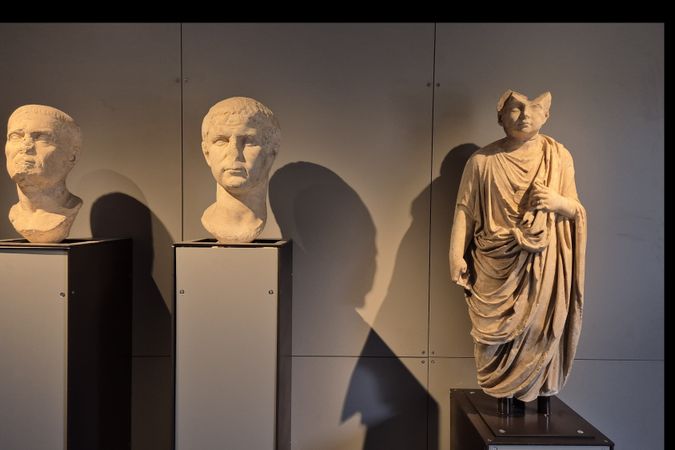
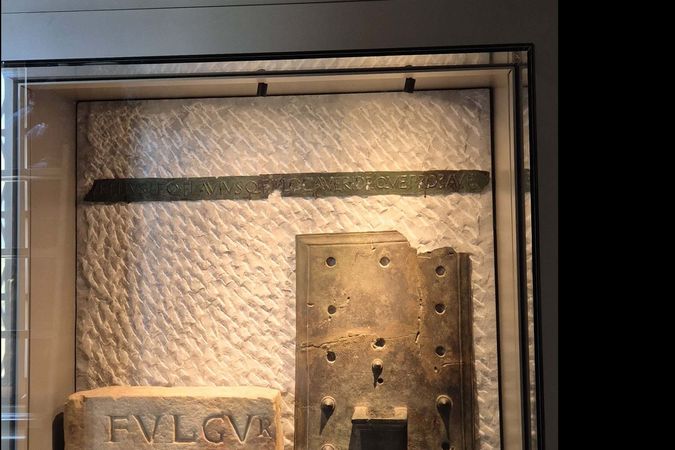
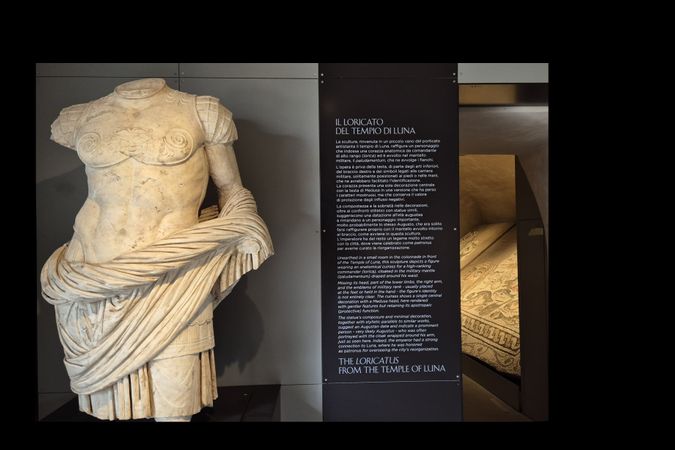
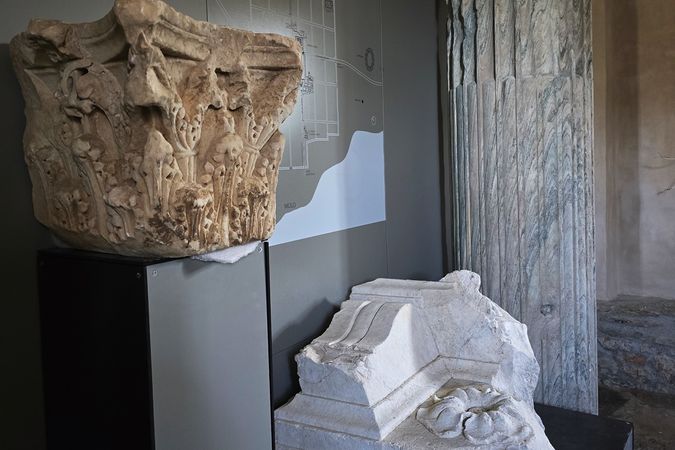
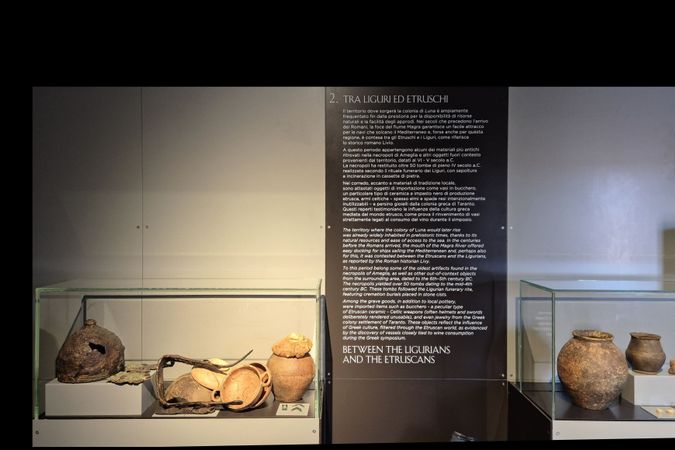
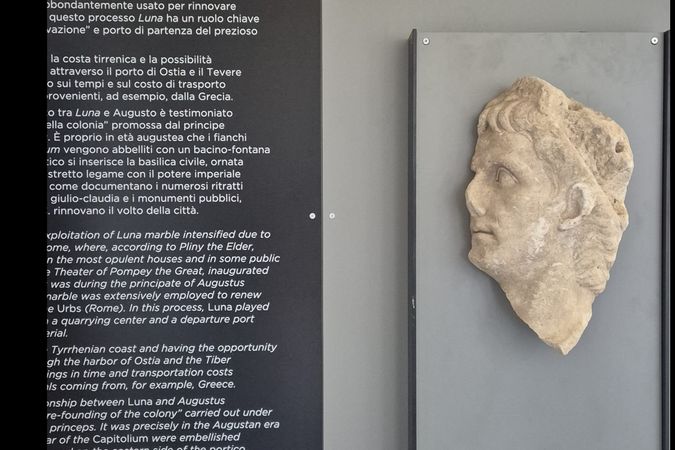
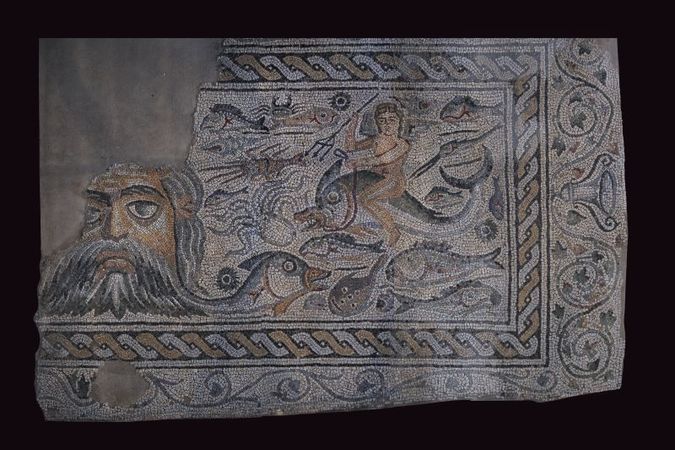
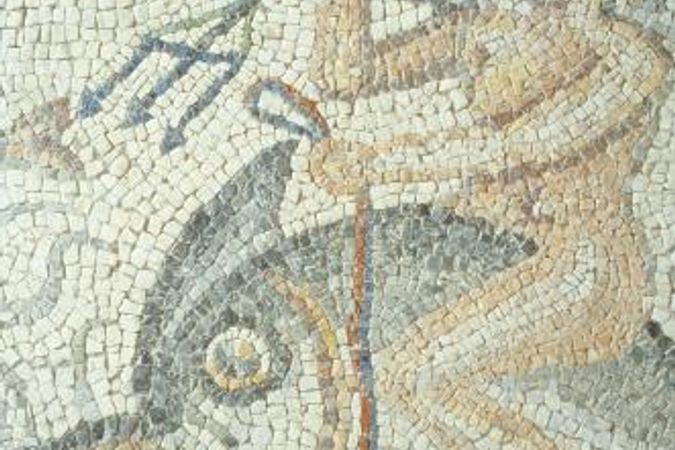
The new museum is developed on two floors that are articulated differently: the ground floor focuses on the city's connection with the Apuan marble, showing how this material was widely used to give it a monumental appearance, with applications both in architecture and in statuary, in public and private buildings. Pieces resulting from recent discoveries are exhibited alongside others that are now famous, such as the base with the dedication to the goddess Luna found in her temple and the so-called Ocean mosaic, and also the one from the corridor of the same house, featuring the image of Medusa from which the museum's logo is derived. The tour also includes a small room with inscriptions on marble supports, and ends with a video room where two screens show specially made films and documentaries from the Istituto Luce, once again dedicated to the precious material.
Programme and activities
Guided tours, exhibitions and events at National Archaeological Museum and Archaeological Area of Luni will appear here. Follow the museum to get updates.
What to see
See all (2)