About
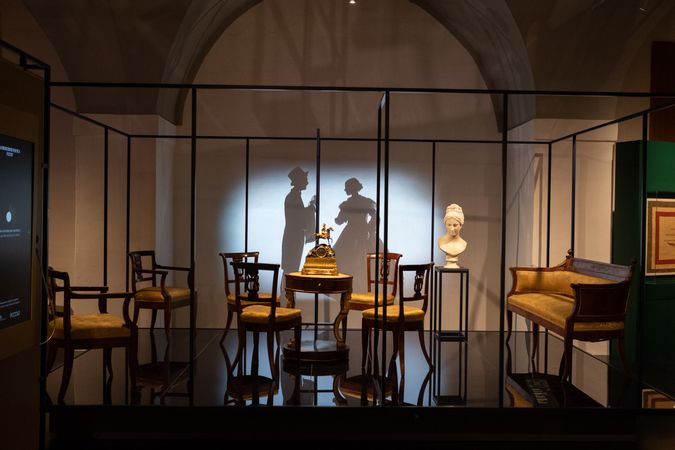
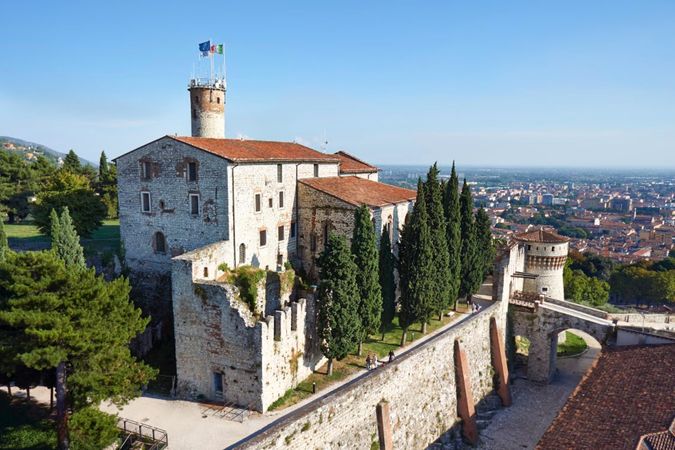
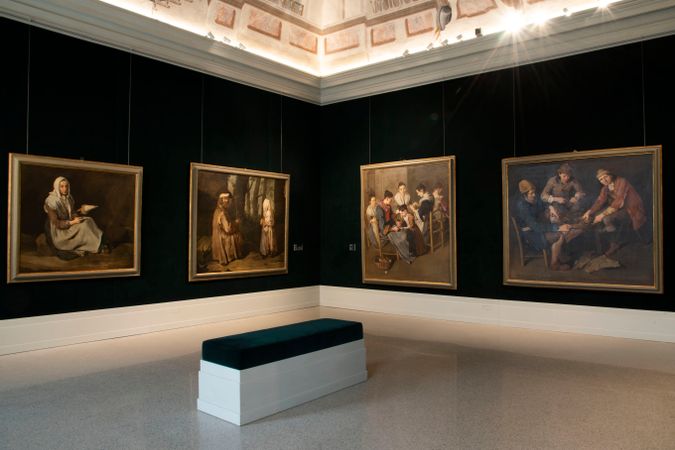
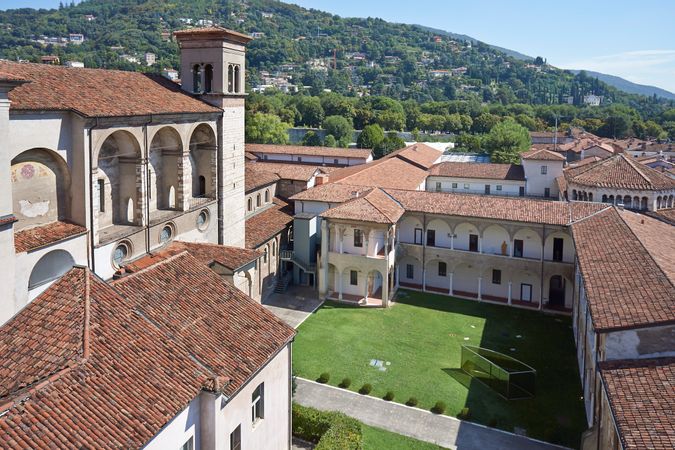
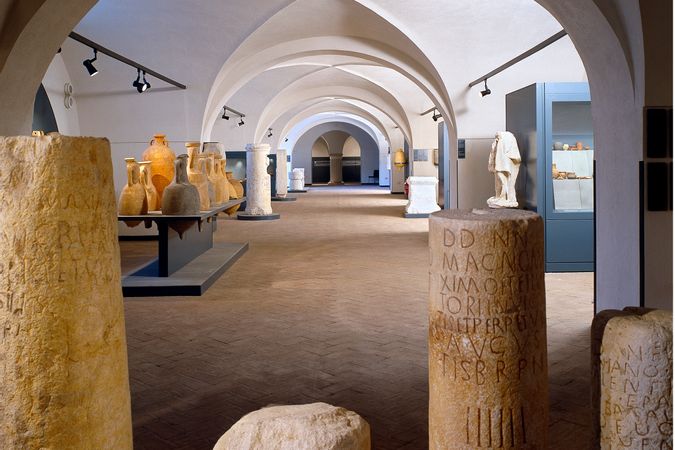
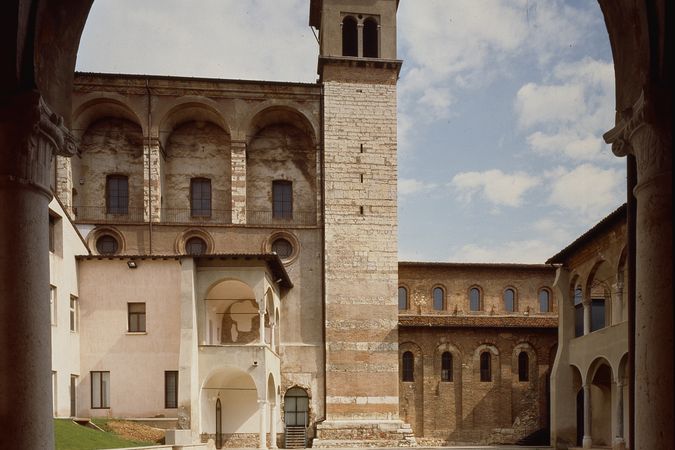
The Museum of Santa Giulia in Brescia is unique in Italy and Europe for its exhibition concept and location. The Museum is housed in the monastic complex of Santa Giulia, of Lombard origin, and allows a journey through the history, art, and spirituality of Brescia from prehistoric times to the present day in an exhibition area of approximately 14,000 square meters.
In addition to the permanent collections that include numerous works of art from the Lombard period, the Museum of Santa Giulia is also the venue for numerous exhibitions organized by the Brescia Museums Foundation.
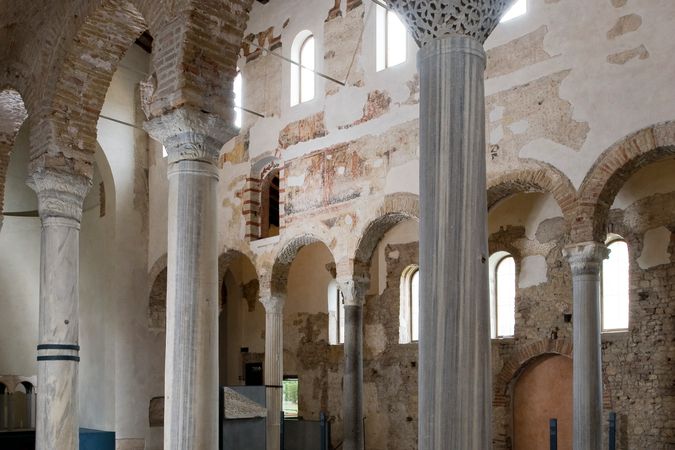
The monastery of San Salvatore - Santa Giulia was founded in 753 AD by Desiderio, the last king of the Lombards, with his wife Ansa. A female Benedictine monastery, it played a prominent role even after the defeat inflicted on the Lombards by Charlemagne.
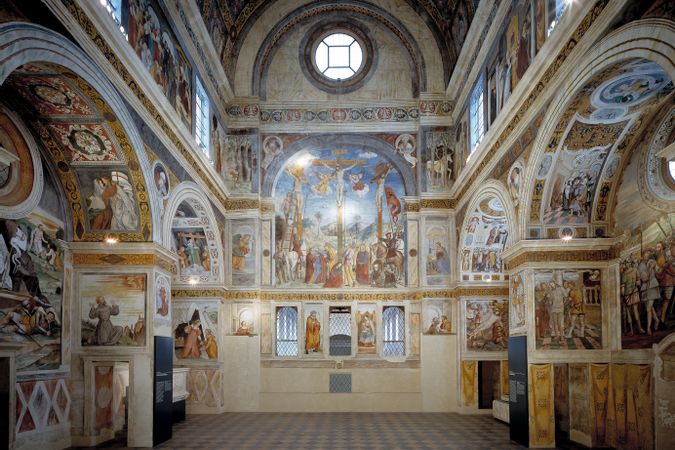
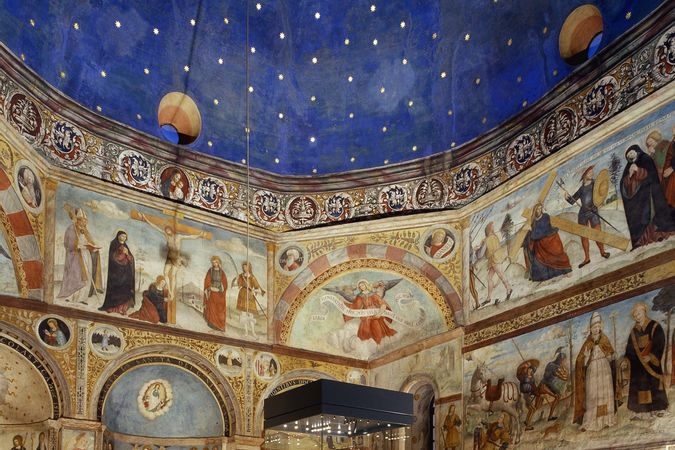
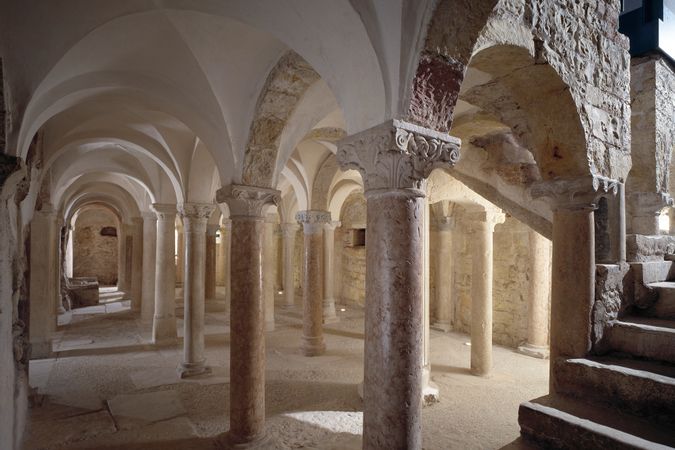
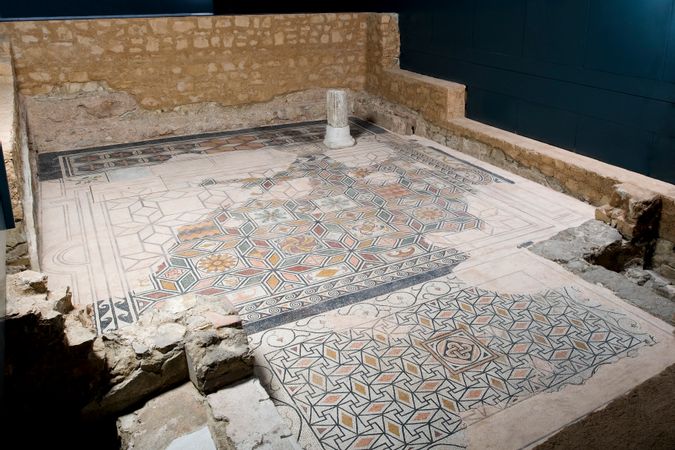
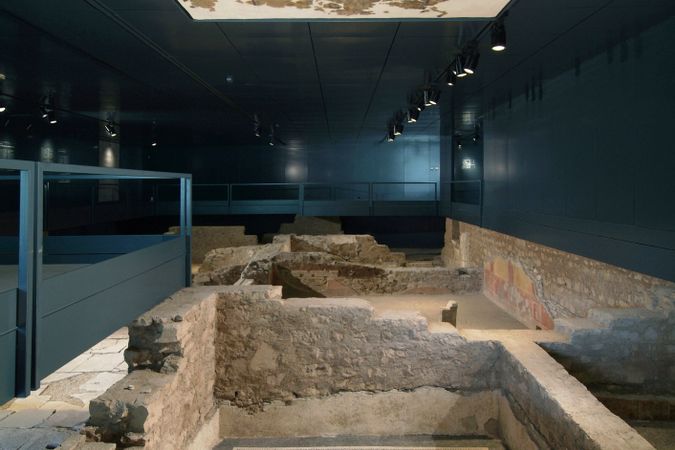
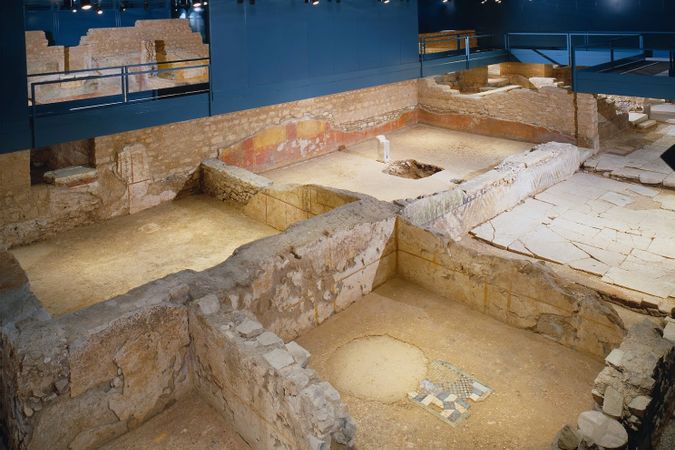
The Museum of Santa Giulia is located in a place of historical memories layered over the centuries and a continuous source of surprising discoveries, the monastic complex is a visible intertwining of eras. Built on an area already occupied in Roman times by important Domus, it includes the Lombard Basilica of San Salvatore and its crypt, the Romanesque oratory of Santa Maria in Solario, the Choir of the Nuns, the sixteenth-century church of Santa Giulia, and the cloisters.
Since 2001, the monumental complex of San Salvatore-Santa Giulia, together with the Archaeological Park of Roman Brescia, has been inscribed on the UNESCO World Heritage List with the site "The Lombards in Italy. The places of power (568-774 AD)."
To discover the upcoming exhibitions at the Museum of Santa Giulia, visit the Exhibitions and Events section.
For all practical information on purchasing tickets, check availability in the Hours and Tickets section.
Artists on show

Programme and activities
See allGuided tours, exhibitions and events at Santa Giulia Museum will appear here. Follow the museum to get updates.
What to see
See all (7)