About
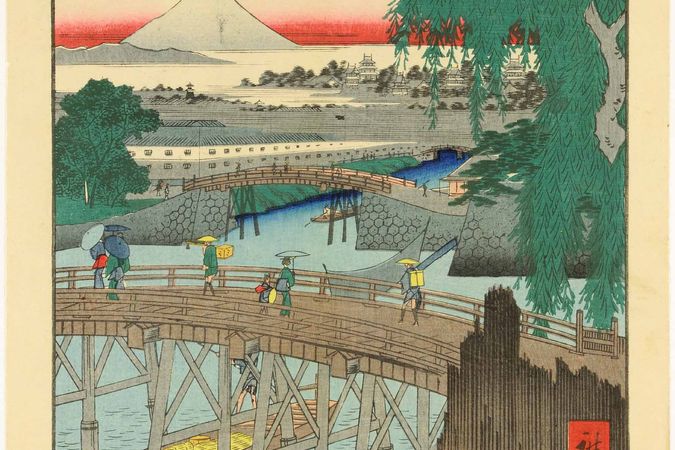
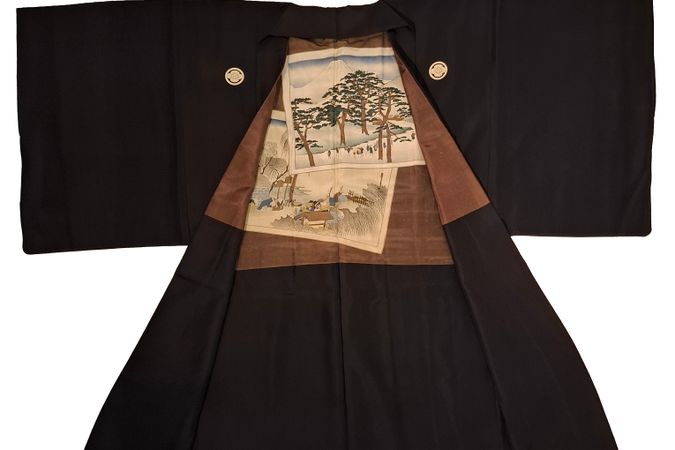
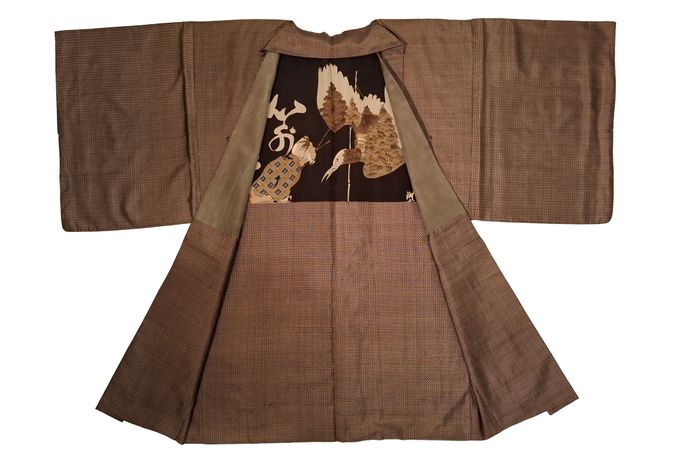
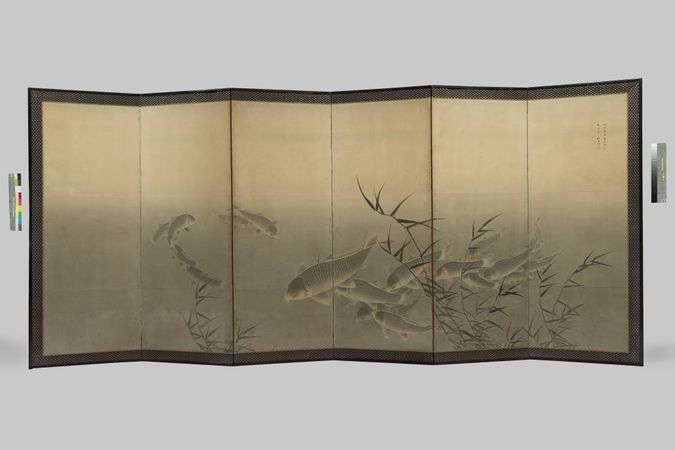
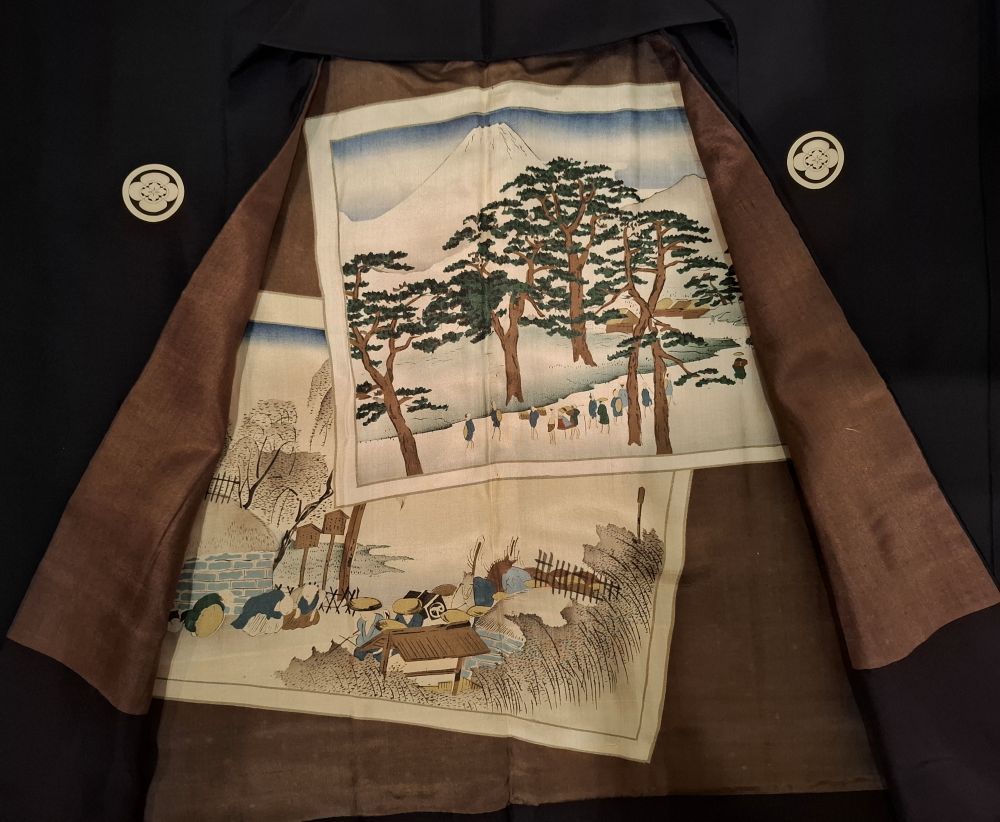
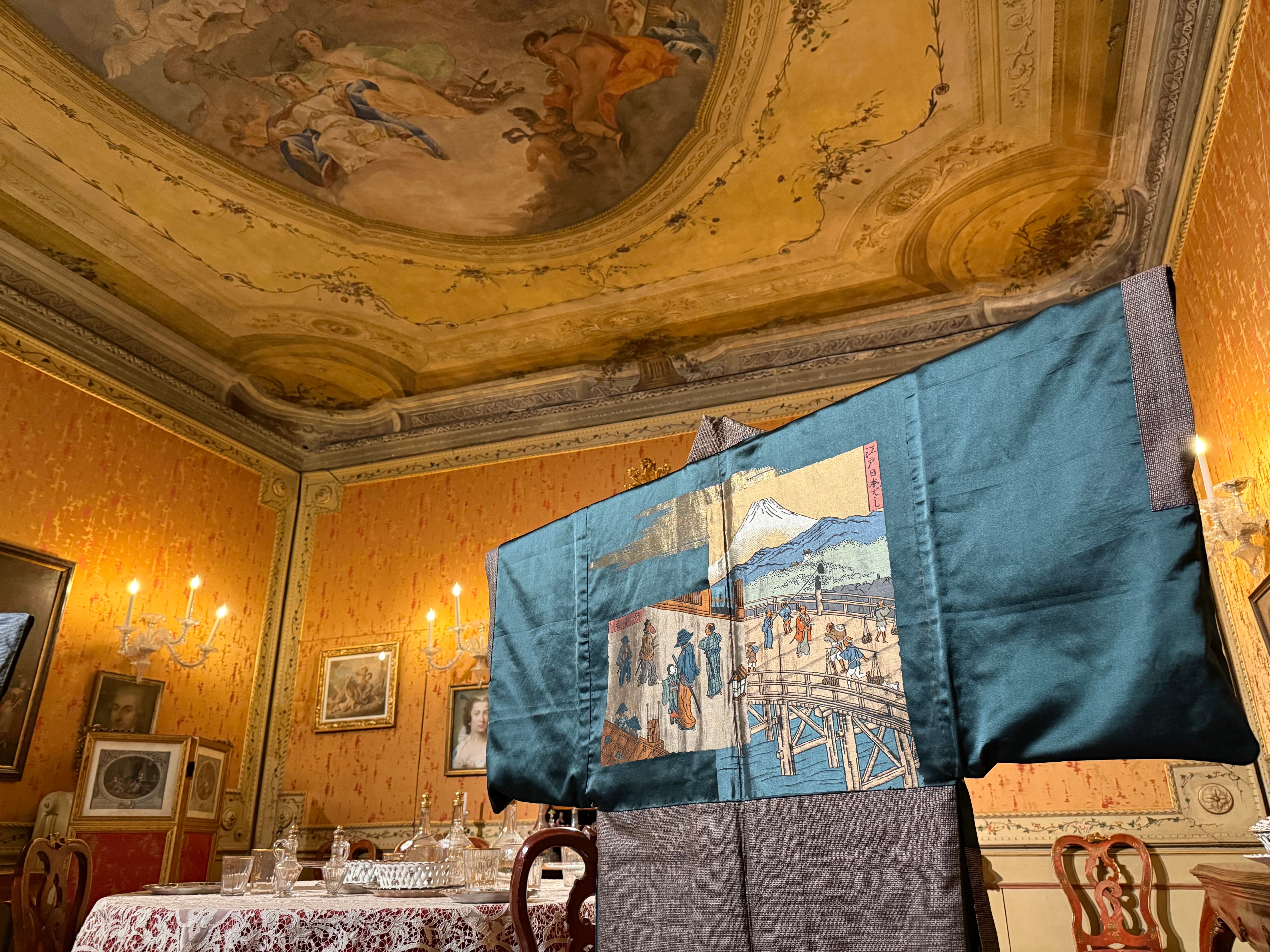
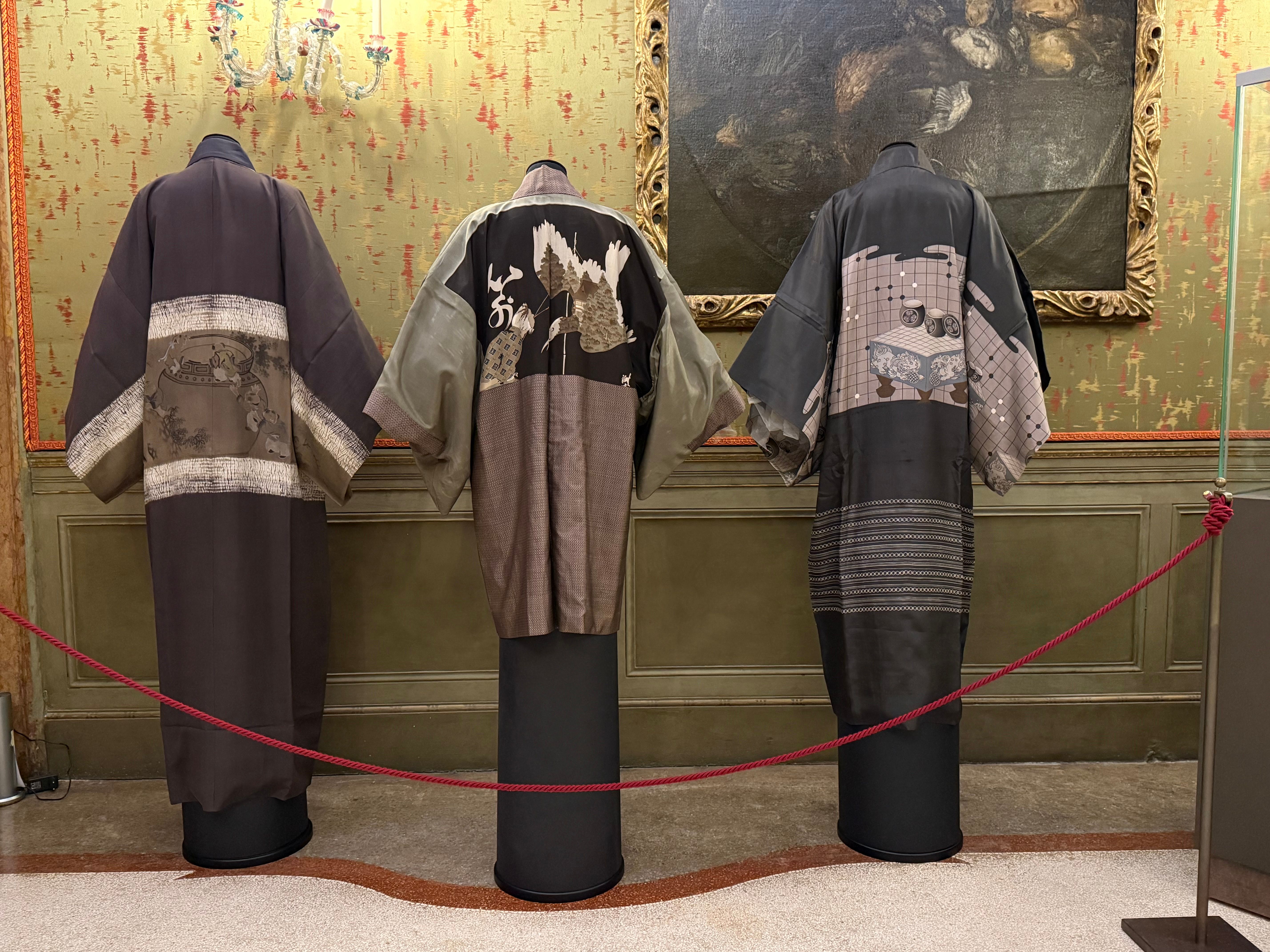
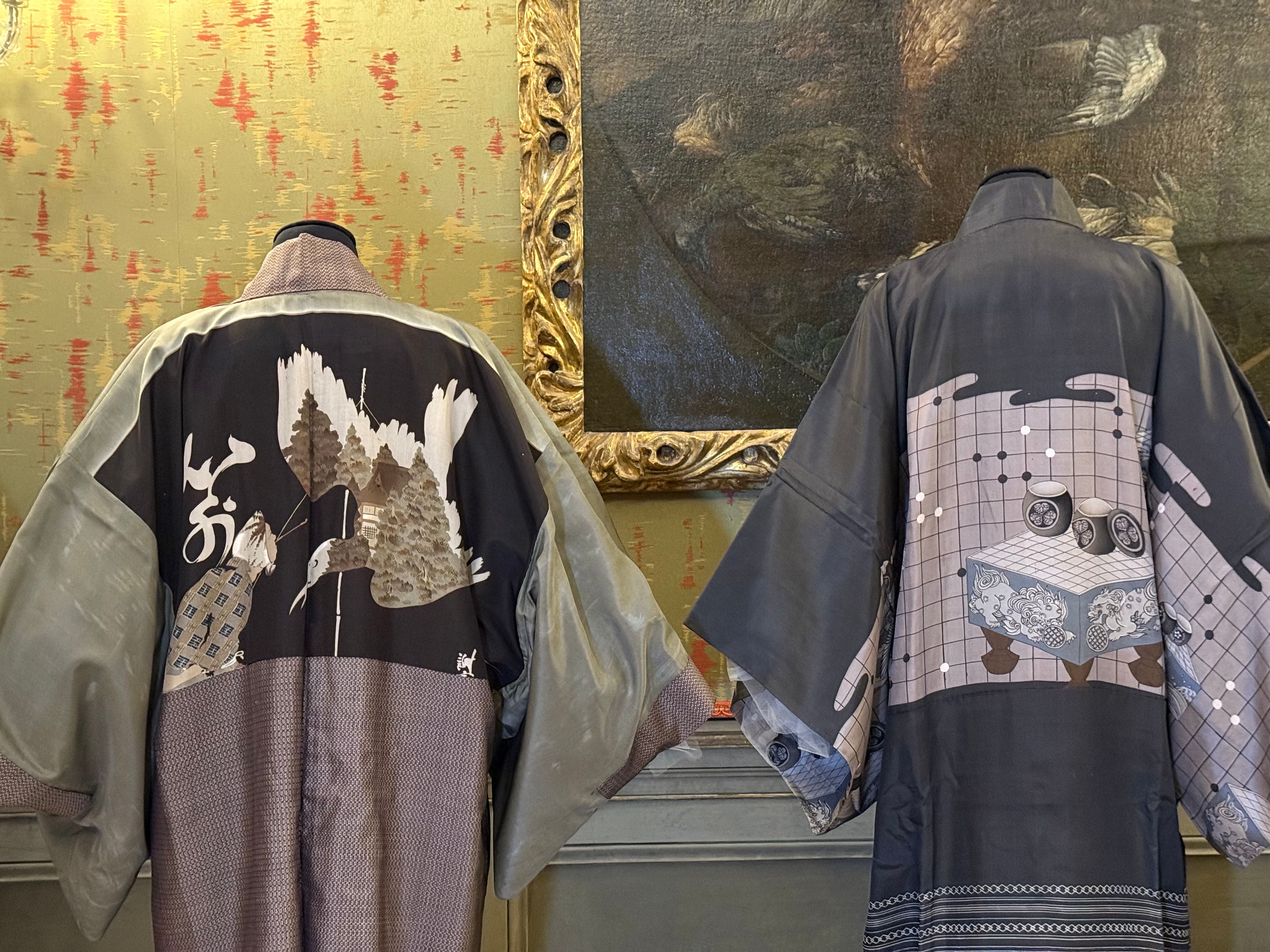
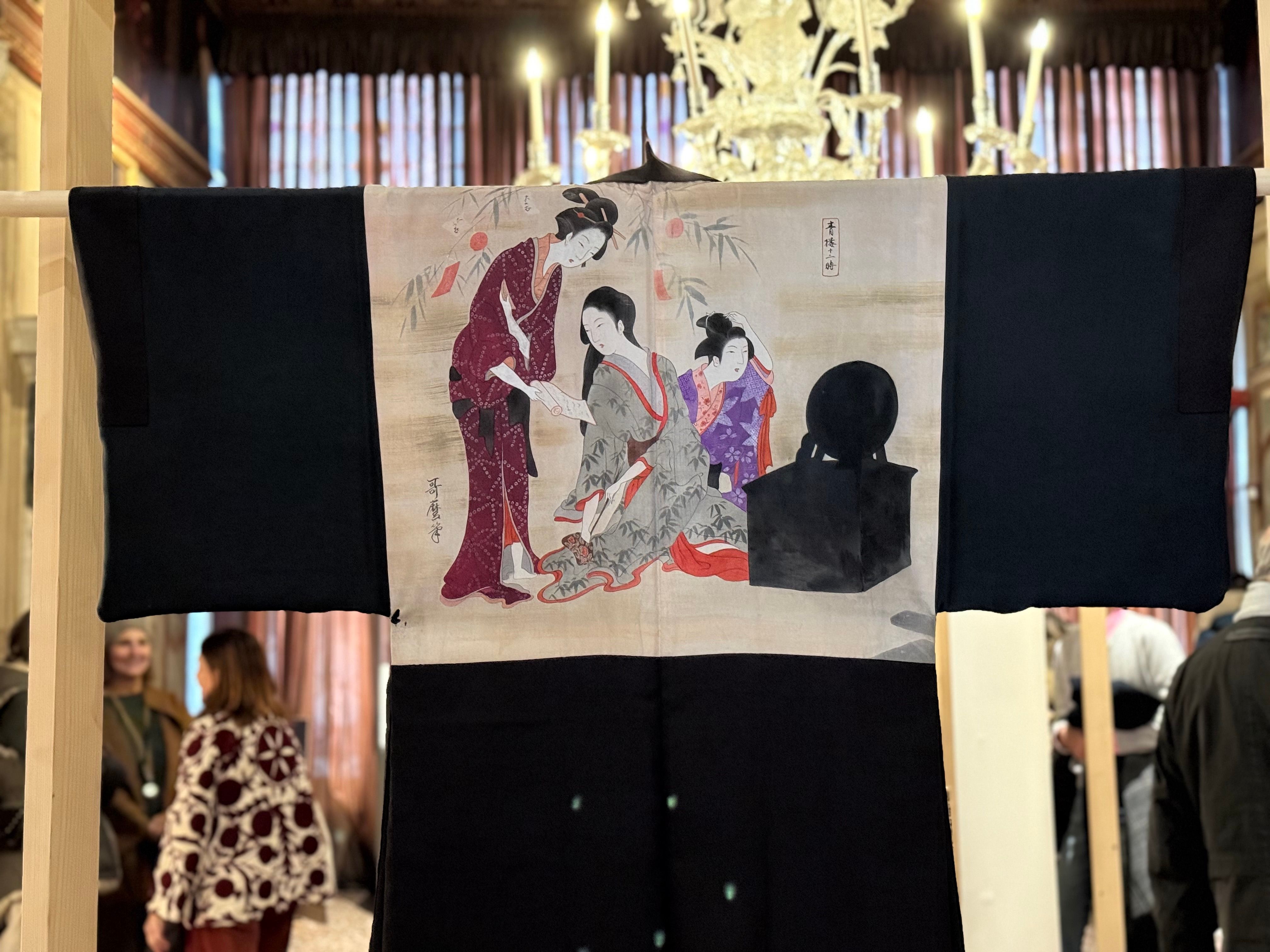
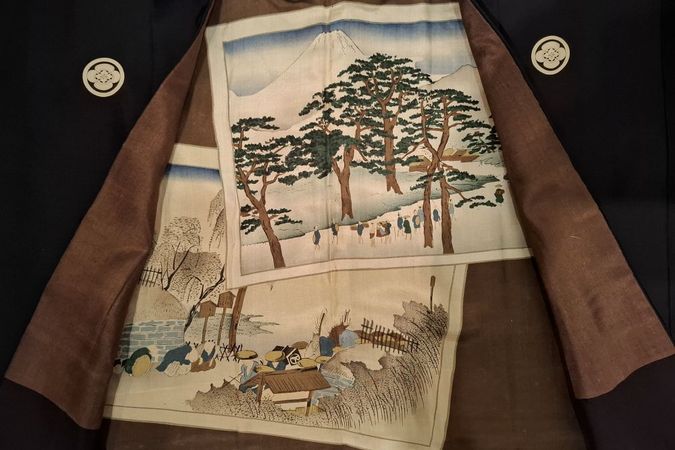
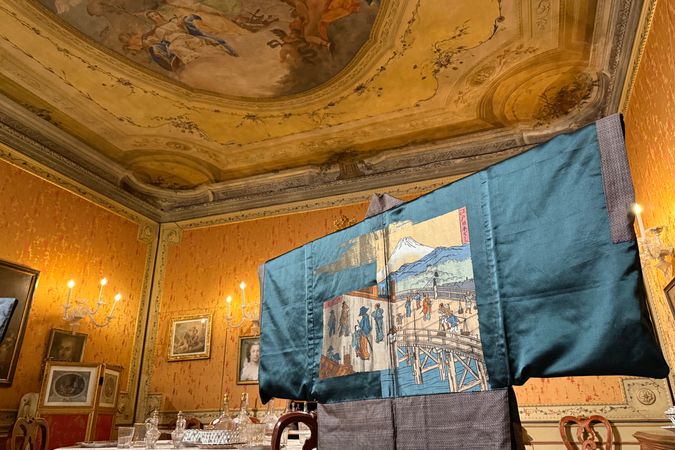
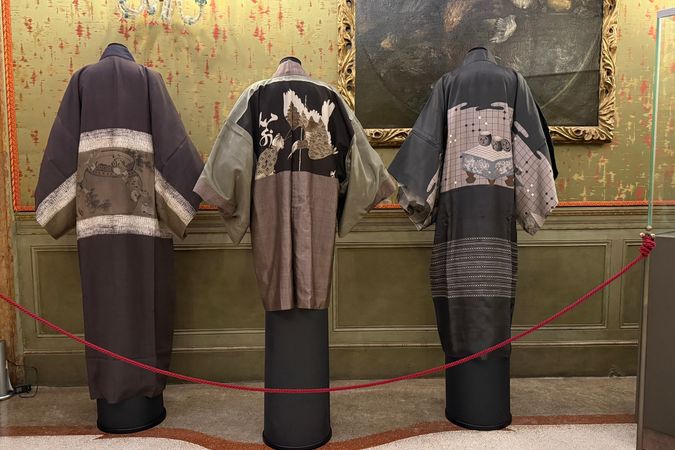
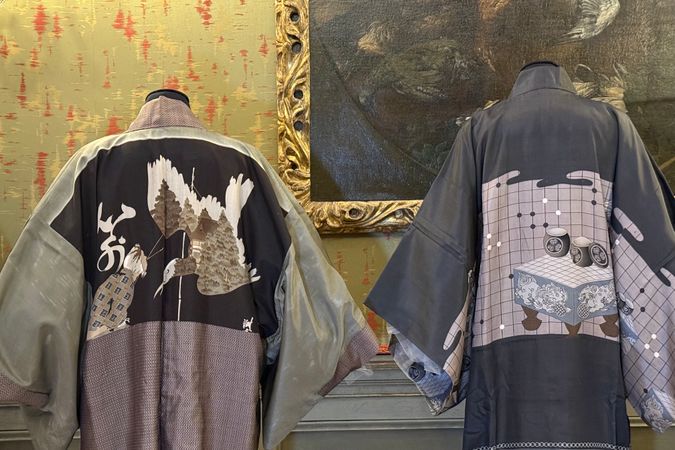
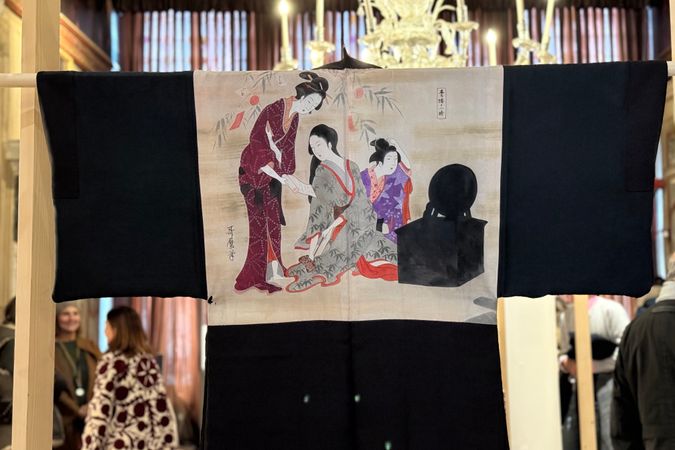
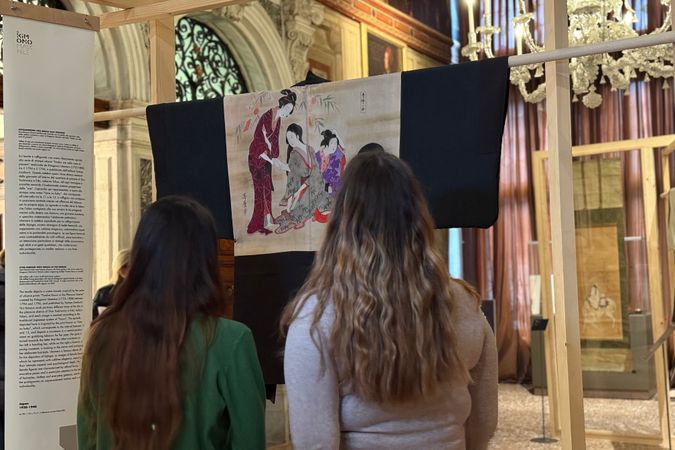
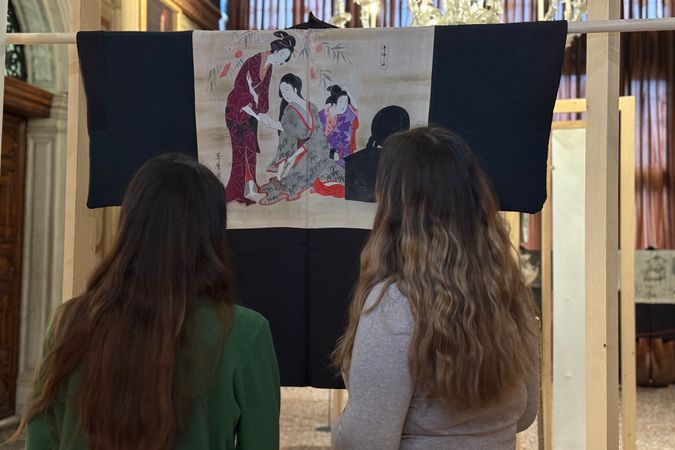
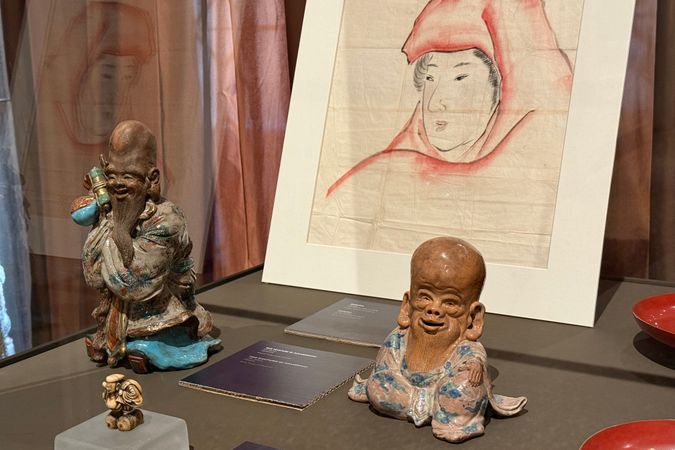
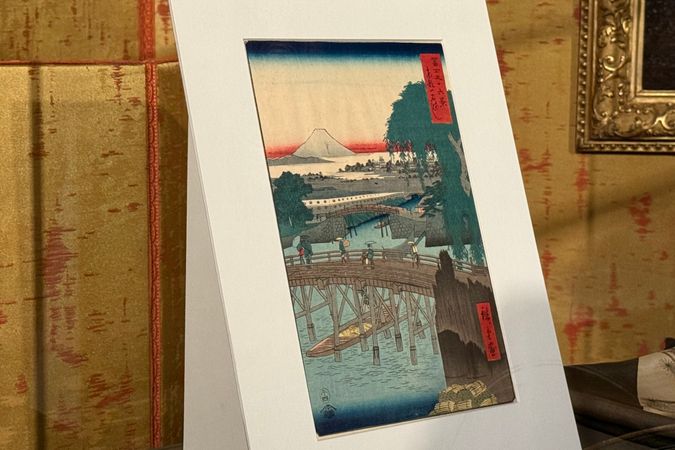
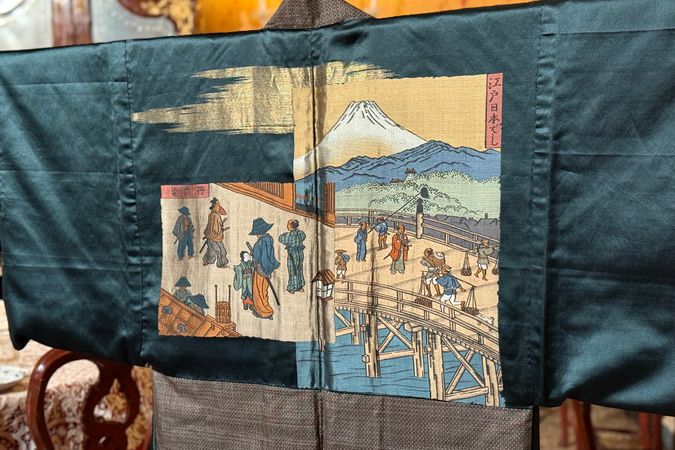
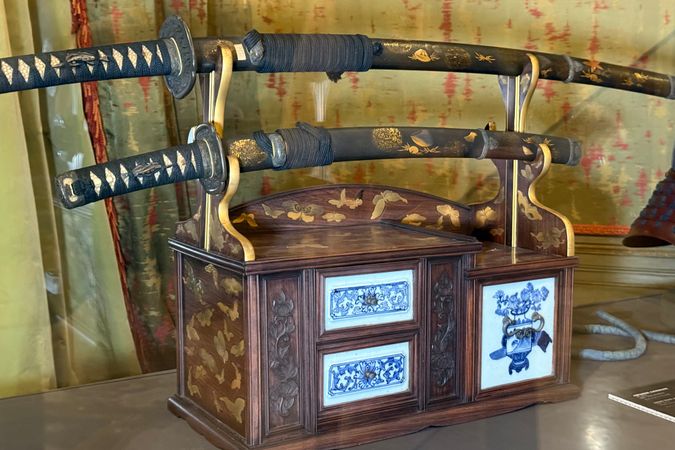
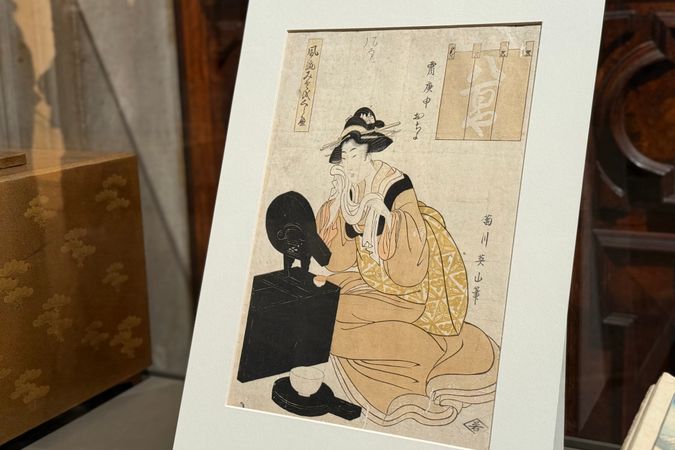
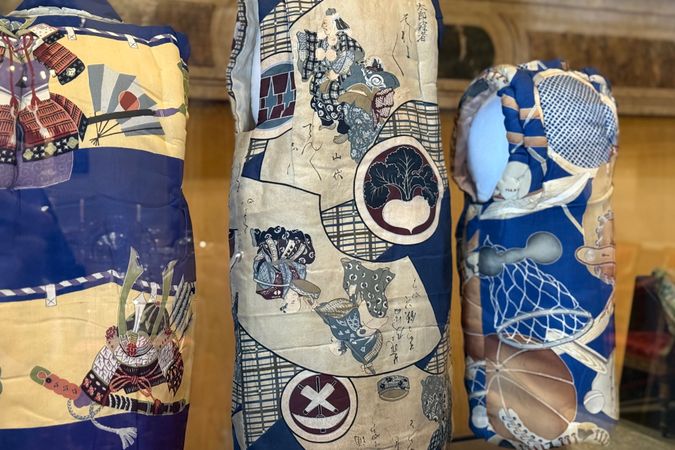
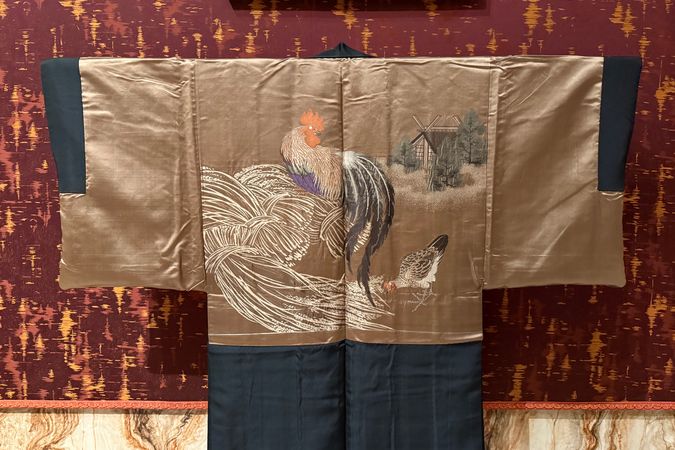
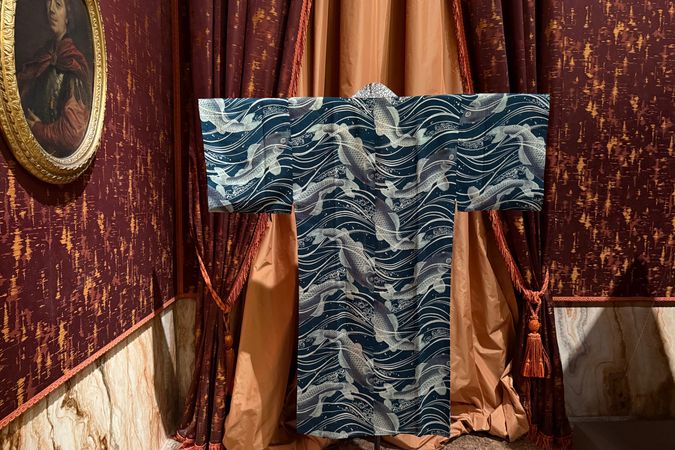
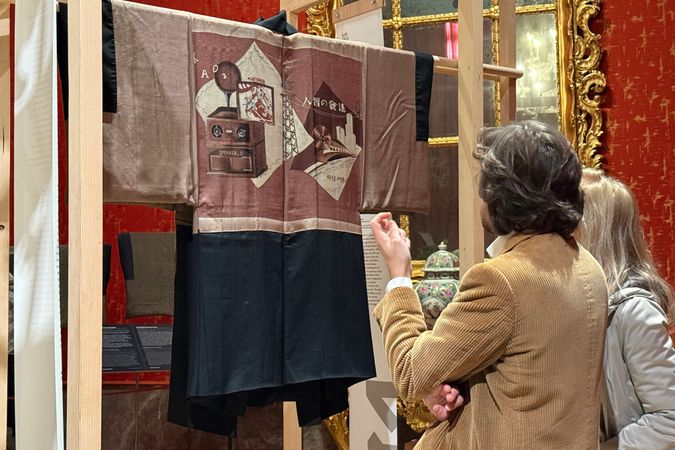
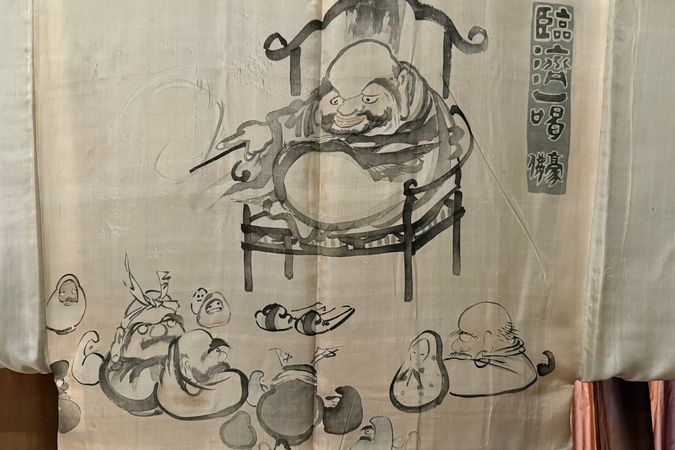
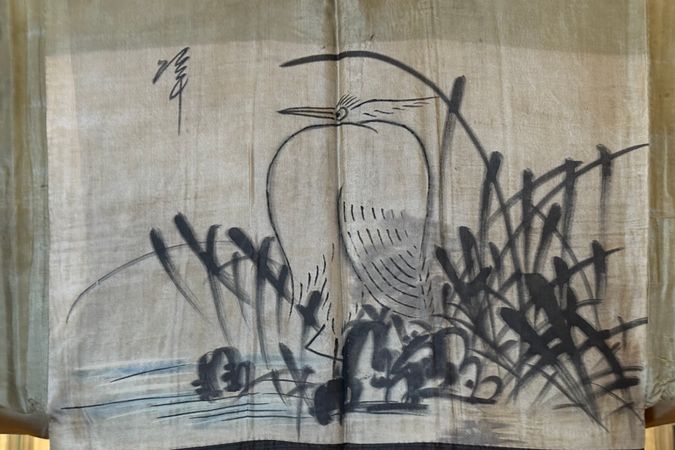
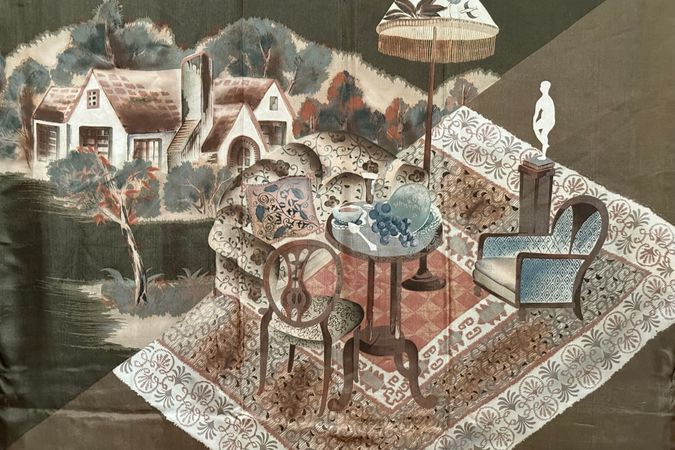
The exhibition explores the creative and cultural exchange between Europe and Japan through the display of works that testify to the fundamental transitions between the late nineteenth and the first half of the twentieth century. It illustrates the well-known phenomenon of Japonism: how the artistic expressions of European art of that period drew from and reinterpreted the expressive and decorative language of Japanese art, represented in the exhibition by works of Hiroshige, Utamaro, and Hokusai. But above all, it aims to tell the opposite process, the phenomenon of Occidentalism, a lesser-known aspect: the influence of Western culture and artistic expression in Japanese art through the most iconic object of the Land of the Rising Sun culture, the kimono. The kimonos on display, in silk or printed fabric, on one hand, testify to the attraction for Western civilization and formal innovations, on the other hand, the suggestions coming from modernity, elements that, at the beginning of the twentieth century, profoundly modified the traditional decorative language of Japanese art.
Artists on show

What to see