About
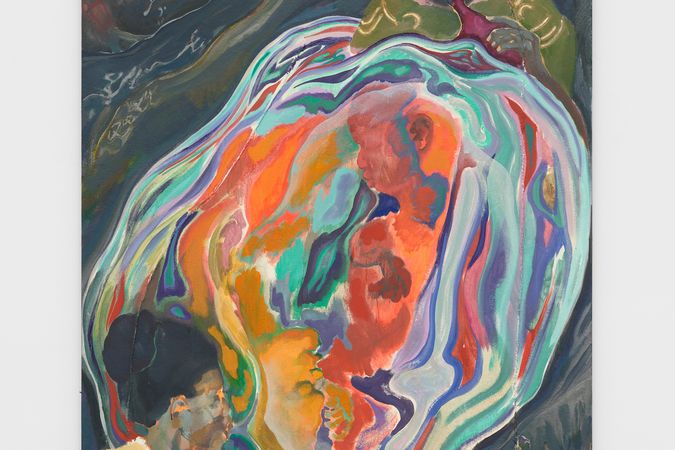
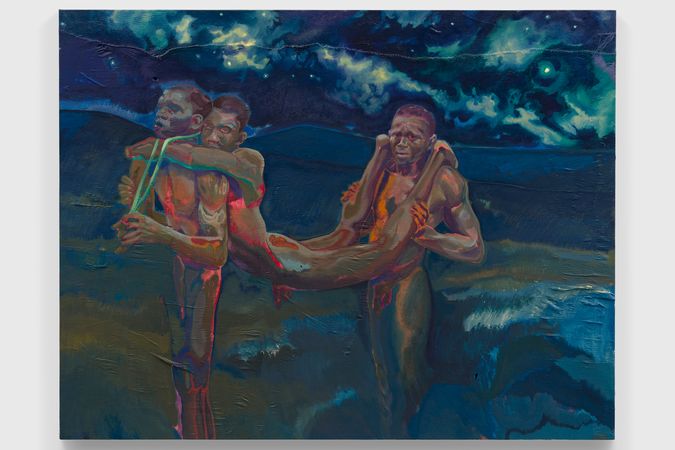
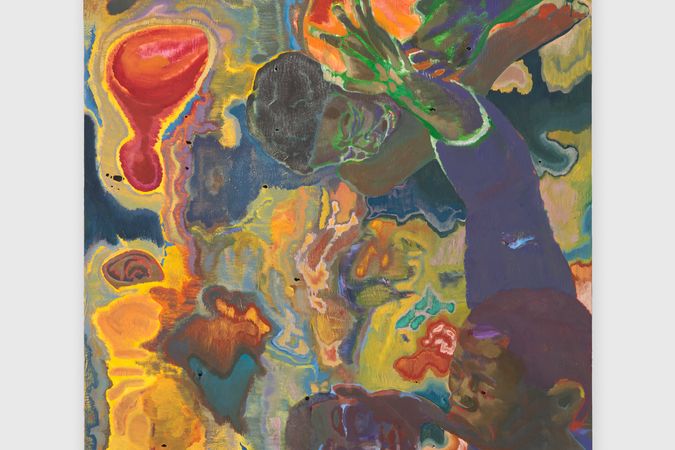
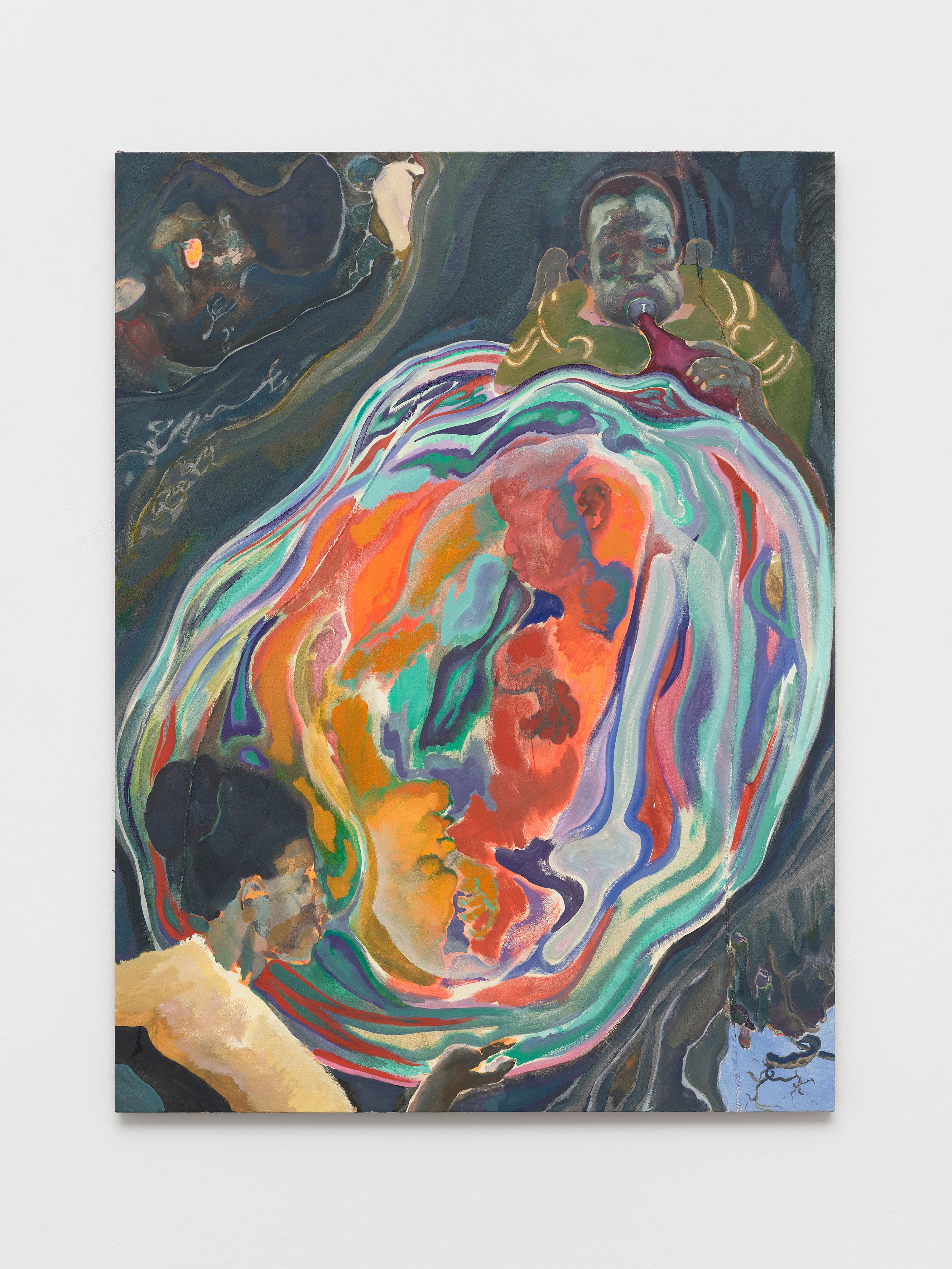
Curated by Jean-Marie Gallais, curator, Pinault Collection, in collaboration with Hans-Ulrich Obrist, art director, Serpentine Galleries, for the catalogue, and Caroline Bourgeois, advisor, Pinault Collection, and Michelle Mlati, art historian. At Palazzo Grassi, Pinault Collection dedicates an important exhibition to Michael Armitage, one of the most unique and recognized voices in contemporary painting. Oscillating between figuration and abstraction, documentary narrative and dreamlike visions, Armitage's works intertwine personal memories, cultural references, and symbolic imaginaries, giving life to lyrical paintings that question notions of identity, memory, spirituality, and the socio-political tensions of the current world.
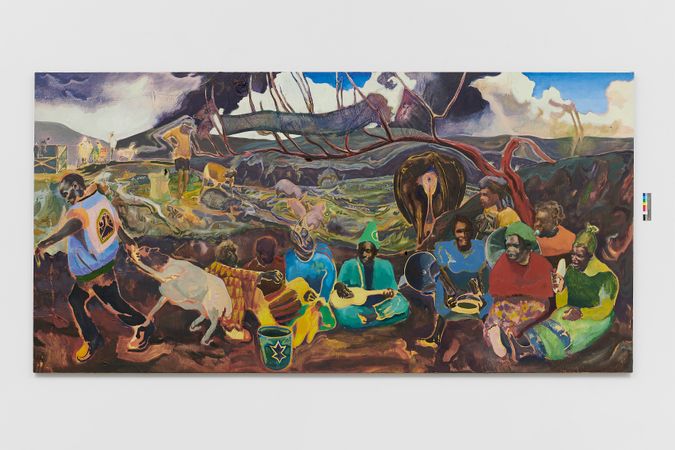
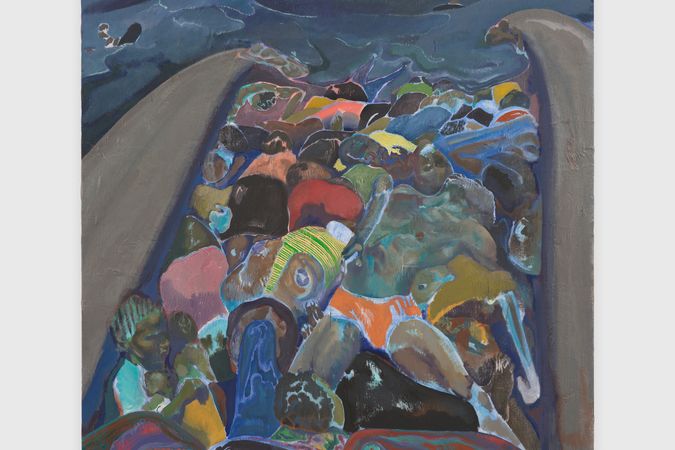
Kenyan-British artist Michael Armitage (born in 1984, Kenya) presents at Palazzo Grassi a core of over one hundred and fifty works including historical pieces and new productions that reveal his rich and sensitive pictorial language, staging complex figures and compositions with remarkable chromatic intensity, combining different aesthetic canons. The choice of subjects and interpretative allusions share the same expressive force in him. The painter does not hesitate to address violent and difficult themes, believing that art cannot ignore reality but must instead take possession of it: the consequences of wars, corruption and instability in equatorial regions, the migration crisis, the weight of others' gaze, or even abuses of power constitute the background of some of his particularly touching works. Dividing his life between Kenya and Indonesia, Armitage draws inspiration from a multitude of sources: historical events and contemporary news, political events, literature, cinema, local rituals, colonial and modern architectures, fauna and flora, as well as the global history of art.
At the center of his iconography lies East Africa, and Kenya in particular, which he explores with a sensitivity that is both critical and satirical, as well as with visionary depth. While some scenes are precisely located in space and time — for example, when the artist followed a team of journalists documenting opposition movements and their violent repression during the 2017 elections in Kenya, or when he represents events related to the 2020-2021 confinement — others remain more elusive and universal. This ambiguity leads Armitage towards fluctuating territories.
Artists on show

What to see