


About
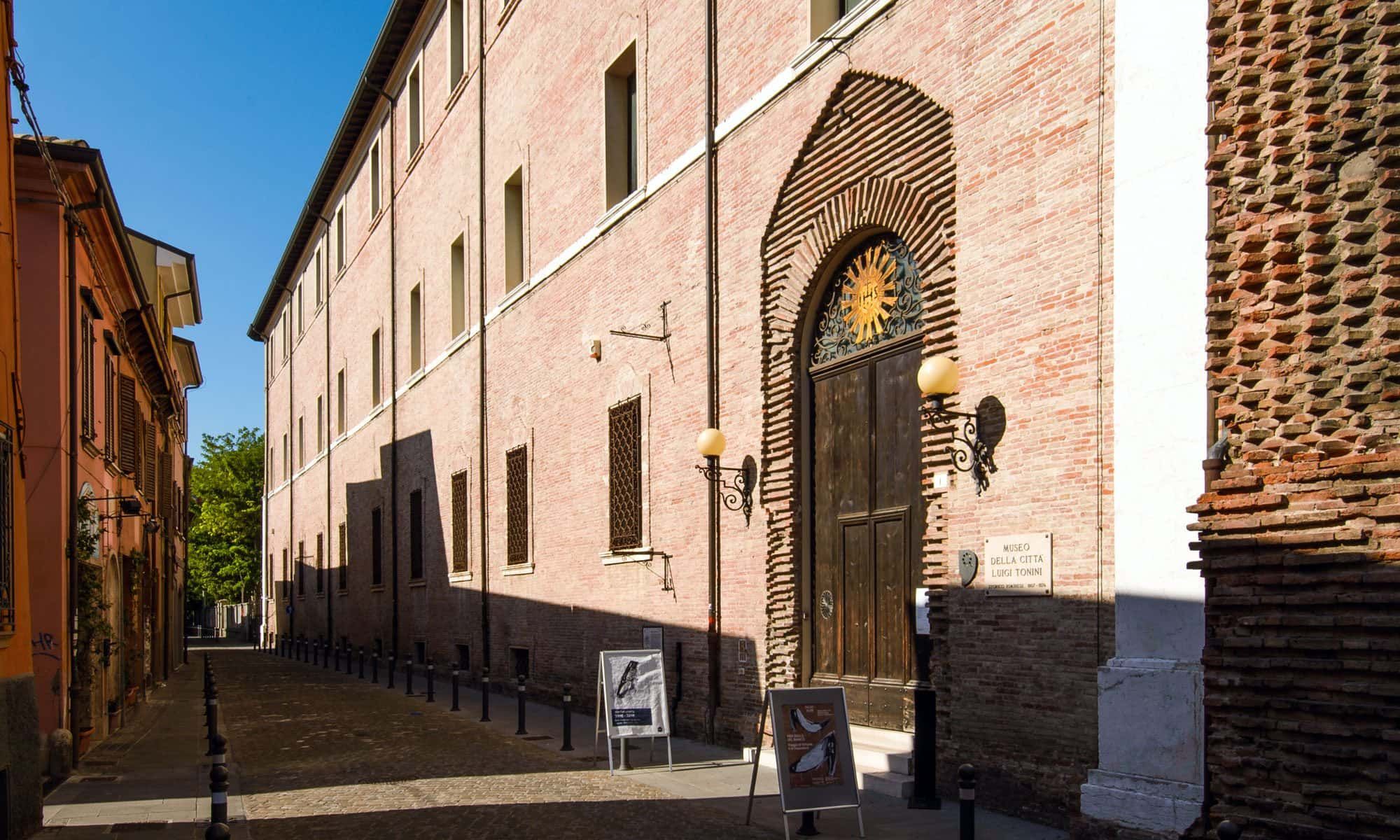
The Museum of the City of Rimini is housed in the Jesuit College, the work of the Bolognese architect Alfonso Torreggiani, and exhibits over 1,500 works in over 40 rooms. The main objective of the Museum is to illustrate the history and cultural development of the city and its territory, in fact there are some important testimonies that historical events have now removed from the natural context. The garden courtyard houses the Roman lapidary, which collects about a hundred inscriptions from the 1st century BC to the 4th century. AD Since 2003, on the ground floor, it is possible to visit the first part of the Archaeological Section dedicated to Imperial Rimini between the 2nd and 3rd centuries. The protagonists of the museum itinerary are two emblematic residences of the period: the Domus del Chirurgo in piazza Ferrari, so called for the exceptional medical instruments found, and the domus of Palazzo Diotallevi, known for the grandiose mosaic with the scene of boats entering the port . On the ground floor there is also a permanent space dedicated to the Rimini artist Renè Gruau. Through the historic eighteenth-century staircase, you enter the Pinacoteca, which winds along the first and second floors following a chronological path from the eleventh to the twentieth century: there are, among others, masterpieces of the Rimini School of the fourteenth century, works created for the Malatesta court, original 17th century local paintings.
Programme and activities
Guided tours, exhibitions and events at Rimini City Museum will appear here. Follow the museum to get updates.

