Piazza Emancipazione, Gandino, Lombardy
Temporarily closed

Contact the museum


Piazza Emancipazione, Gandino, Italy
Opening hours
| opens - closes | last entry | |
| monday | Closed now | |
| tuesday | Closed now | |
| wednesday | Closed now | |
| thursday | Closed now | |
| friday | Closed now | |
| saturday | Closed now | |
| sunday | Closed now |

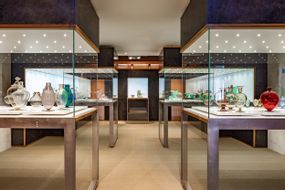
Naples, Campania, Italy

Artsupp Card: 7.50€