Fira, Santorini, Southern Aegean
Closed today: open tomorrow at 08:30

Contact the museum

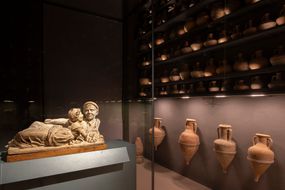
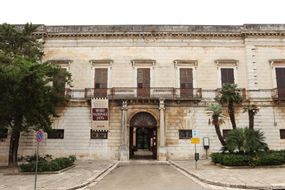
The Archaeological Museum of Thera, located in the center of Fira, is housed in a modern building constructed in 1960 after the earthquake that destroyed the original headquarters of 1902. The museum displays artifacts from the Archaic, Classical, and Roman periods found on the island, including geometric pottery, Cycladic idols, kouroi, and inscriptions from ancient necropolises and prehistoric settlements.
Among the most significant pieces: an decorated geometric amphora, dating back to the 7th century BC, found in the cemetery of Ancient Thera; an engraved volcanic rock weighing 480 kg with an inscription recalling the athlete Eumastas who lifted it with bare hands; an Attic black-figure krater decorated with ships, dating back to the 6th century BC; sculptures and marble kouroi from the late Bronze Age and the Classical period.
Integrated into the chronological path, the museum offers a complete view of the history of Thera, from the Cycladic communities to the contacts with Crete and the Mycenaean colonies. The inscriptions provide important clues about the language and political life of the island, while everyday objects tell of commercial connections in the Aegean.

Fira, Santorini, Greece
Opening hours
| opens - closes | last entry | |
| monday | Closed now | |
| tuesday | 08:30 - 15:30 | |
| wednesday | 08:30 - 15:30 | |
| thursday | 08:30 - 15:30 | |
| friday | 08:30 - 15:30 | |
| saturday | 08:30 - 15:30 | |
| sunday | 08:30 - 15:30 |