About
Tindari, founded in 396 BC, had a regular urban plan with wide parallel streets (decumani) intersected by narrower streets (cardini). In addition to facing insula IV, the main public buildings of the city, the “Basilica” and the Theater are located on the upper decumanus. The Basilica served as a "monumental gate" and could also be used for official functions. Probably built in the Augustan age, it remained in use until the fifth century. AD The Theater, whose capacity was 3000 spectators, was built between the end of the 4th and the beginning of the 3rd century. BC, while the stage building, with three orders, is slightly later. In the Roman imperial age it was modified to be adapted to circus games.
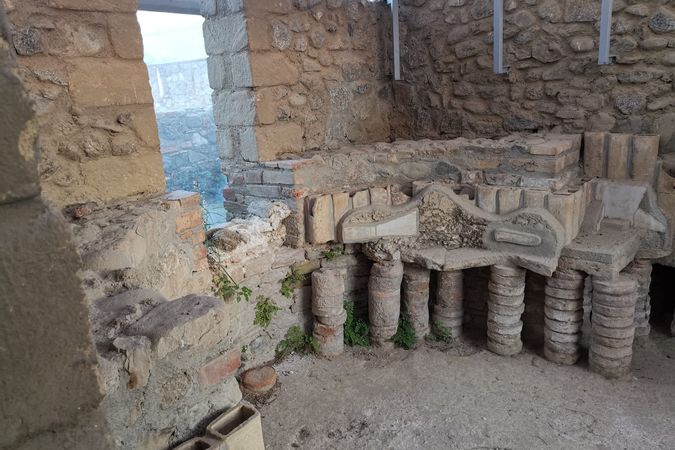
Insula IV, the only block explored in its entirety, is divided into four terraces. The lower one is occupied by six shops that open onto the central decumanus. Two houses with a peristyle (2nd century BC) and a public bath building (3rd century BC) extend over the following ones, consisting of a colonnaded courtyard onto which two changing rooms (apodyteria) and the proper rooms for bathing (frigidarium, tepidarium and calidarium), decorated with mosaic floors. On the central decumanus, in the Cercadenari district, there is a domus and a large public building from the Roman age. The Antiquarium collects finds dating from the prehistoric age to the Roman one.
Programme and activities
Guided tours, exhibitions and events at Greco-Roman city of Tindarys and Antiquarium will appear here. Follow the museum to get updates.