About
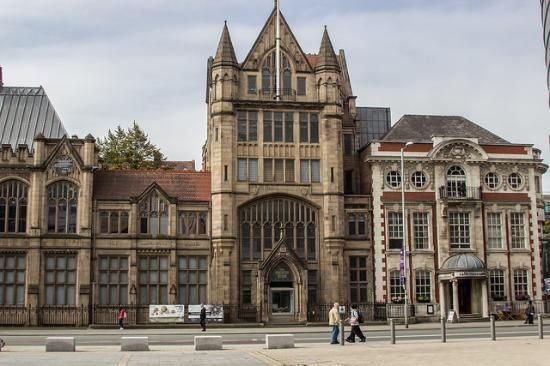
The Manchester Museum is managed by the University of the same city. It is located in a neo-Gothic building in the center of a group of buildings.
The Manchester Museum houses works of archeology, anthropology and natural history. It is the largest museum in the UK and an important resource for academic research and the teaching of archeology. It is visited annually by around 360,000 visitors from all over the world.
The museum's first collections were formed in 1821 by the Manchester Society of Natural History which bought them from John Leigh Philips' private sample set. In 1850 the Manchester Geolical Soceity collections were added. Thanks to private funding from Jesse Haworth, the museum was expanded with new halls and pavilions that would later be used for Egyptian finds. The museum is divided into several sections:
Anthropology, with around 16,000 exhibits from Africa, Oceania, Asia and the Americas. There is also a collection of weapons from the Pacific area, collected by the missionaries, in addition to the beautiful Japanese works and the collection of ceramics; Archeology, with finds from the Mediterranean and Western Europe, many Egyptian objects; Botanica (Manchester Herbarium) houses about 950,000 specimens collected between the eighteenth and twentieth centuries, forming one of the richest collections of plants in the world; geology, with 9,000 samples of mineralogical objects and hundreds of fossils, many of which were donated to the museum. Other sections of the museum are of entomology, numismatics, mammals and birds, oceanography.
Programme and activities
Guided tours, exhibitions and events at Manchester Museum will appear here. Follow the museum to get updates.