About
promoted in synergy with Gallerie d’Italia and Fondazione Casa Museo Ivan Bruschi di Arezzo and with the patronage of the Ministry of Culture and the Marche Region.
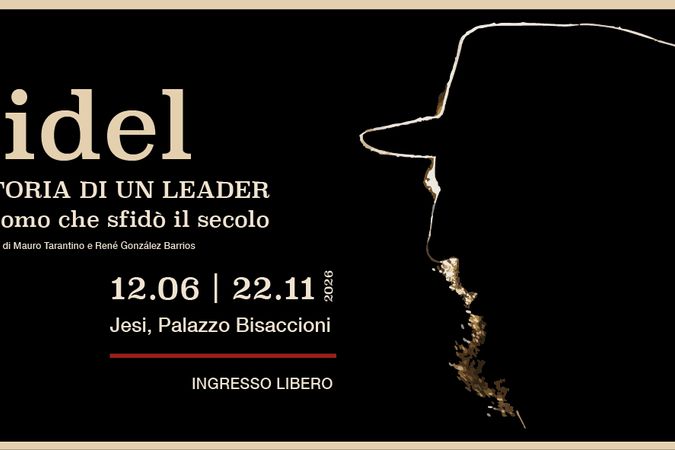
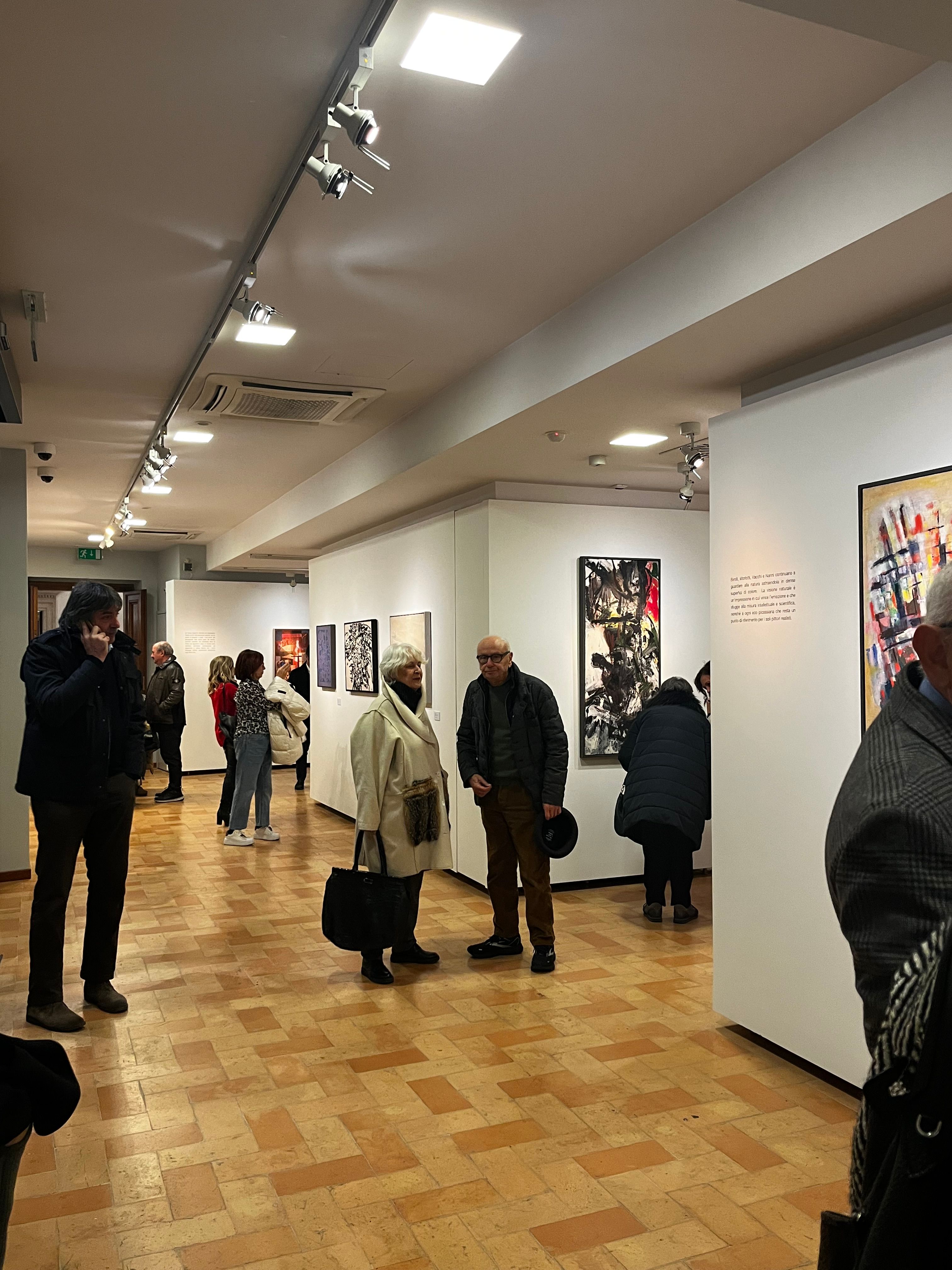
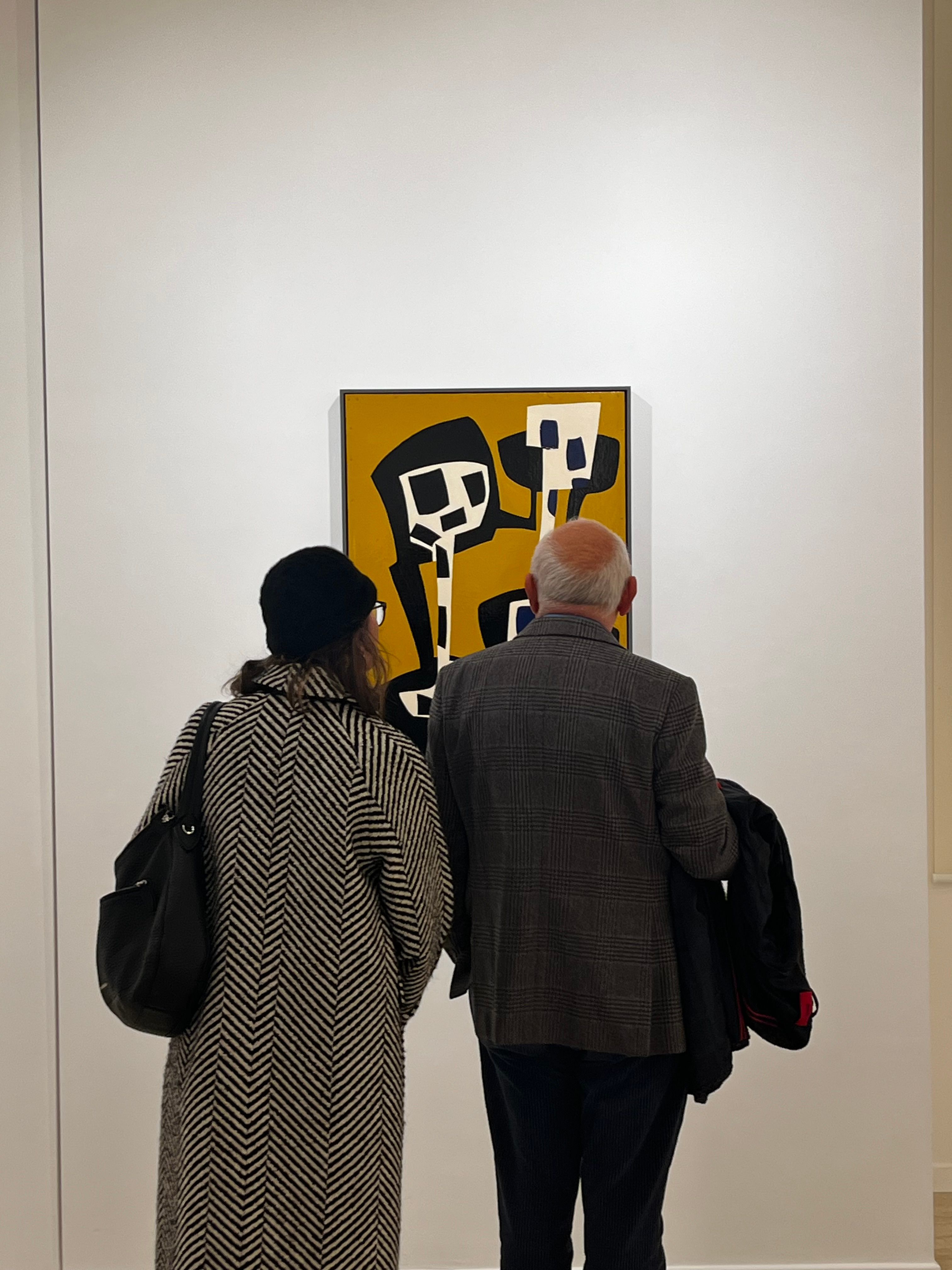
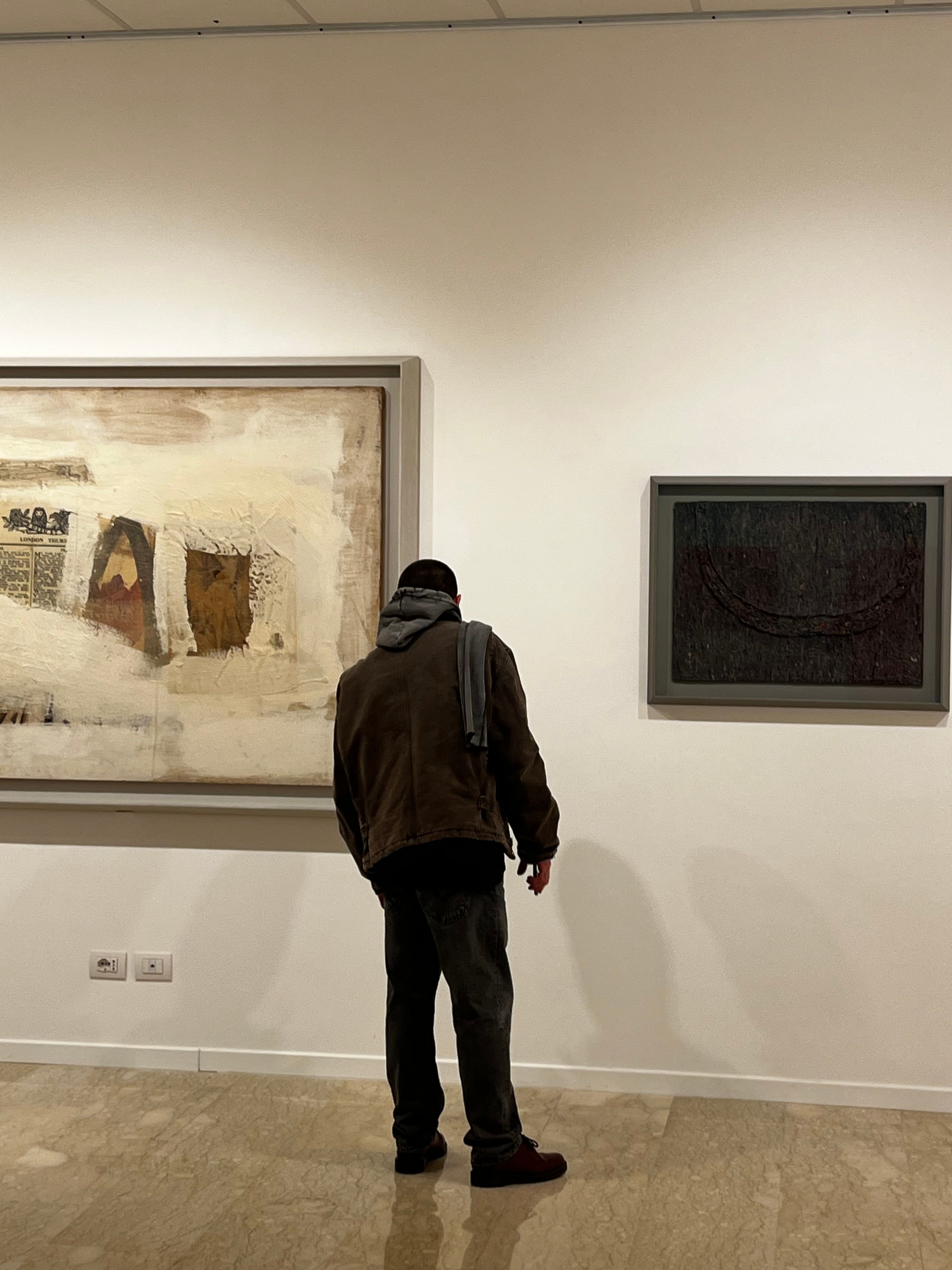
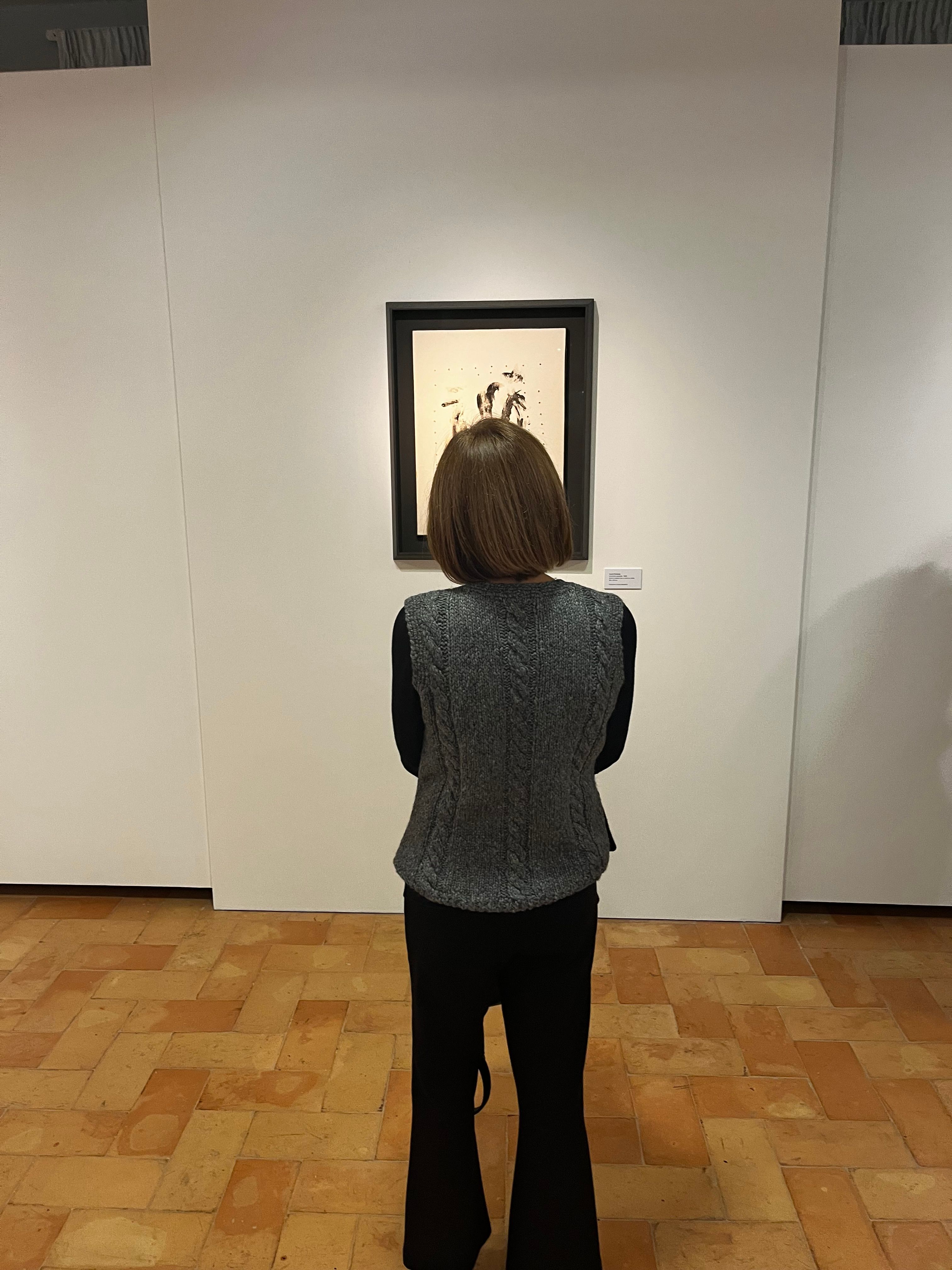
The exhibition - curated by Marco Bazzini, one of the most renowned scholars of contemporary figurative culture and coordinated by Mauro Tarantino, director of the Fondazione Cassa di Risparmio di Jesi - draws on the prestigious collections of Intesa Sanpaolo, within the framework of an effective collaboration that has been activated with the Marche Foundation for several years. This year, the full harmony and sharing of objectives gave rise to this new exhibition, which also involved the Fondazione Ivan Bruschi di Arezzo, where it was presented from March 2 to July 21, 2024.
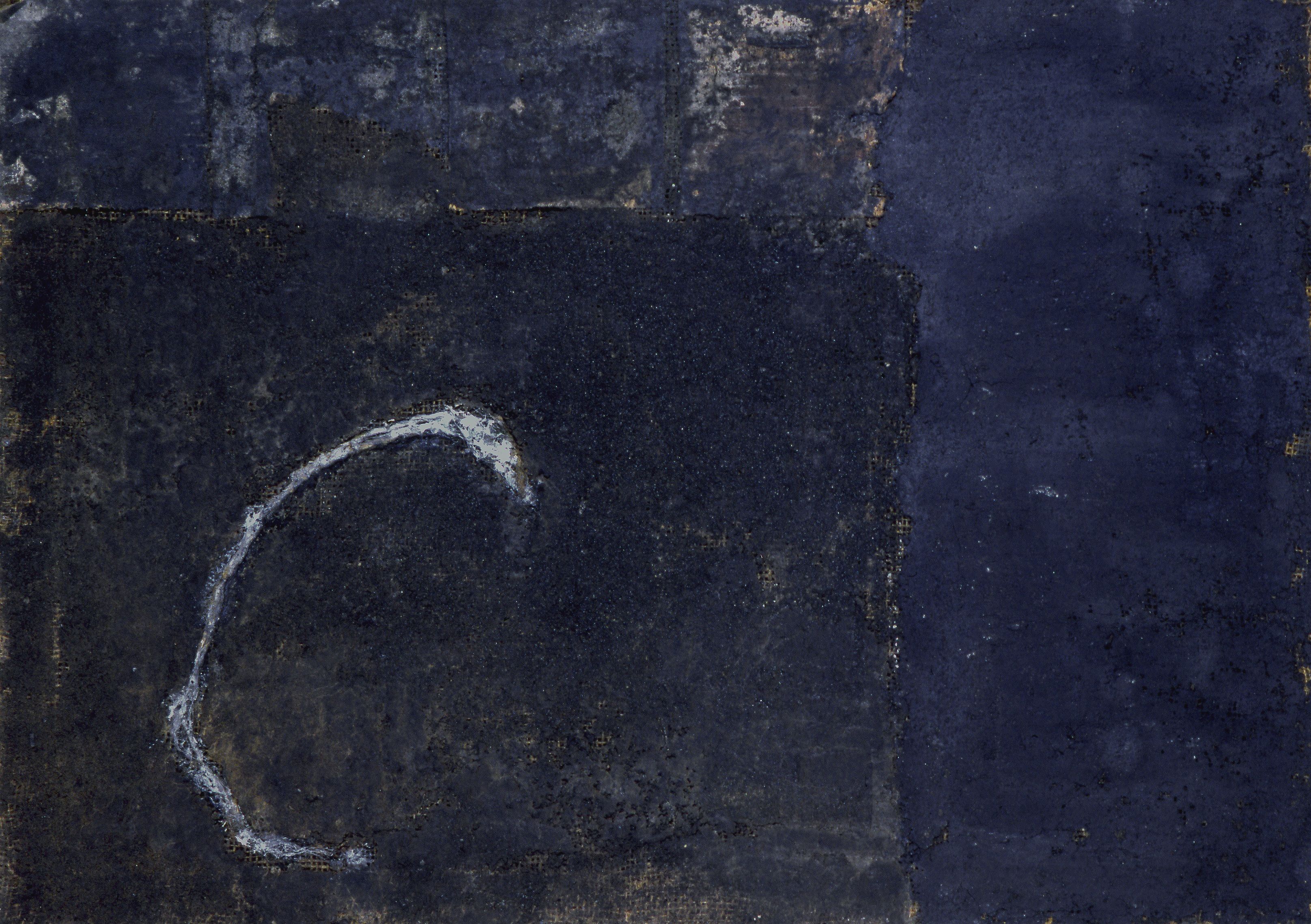
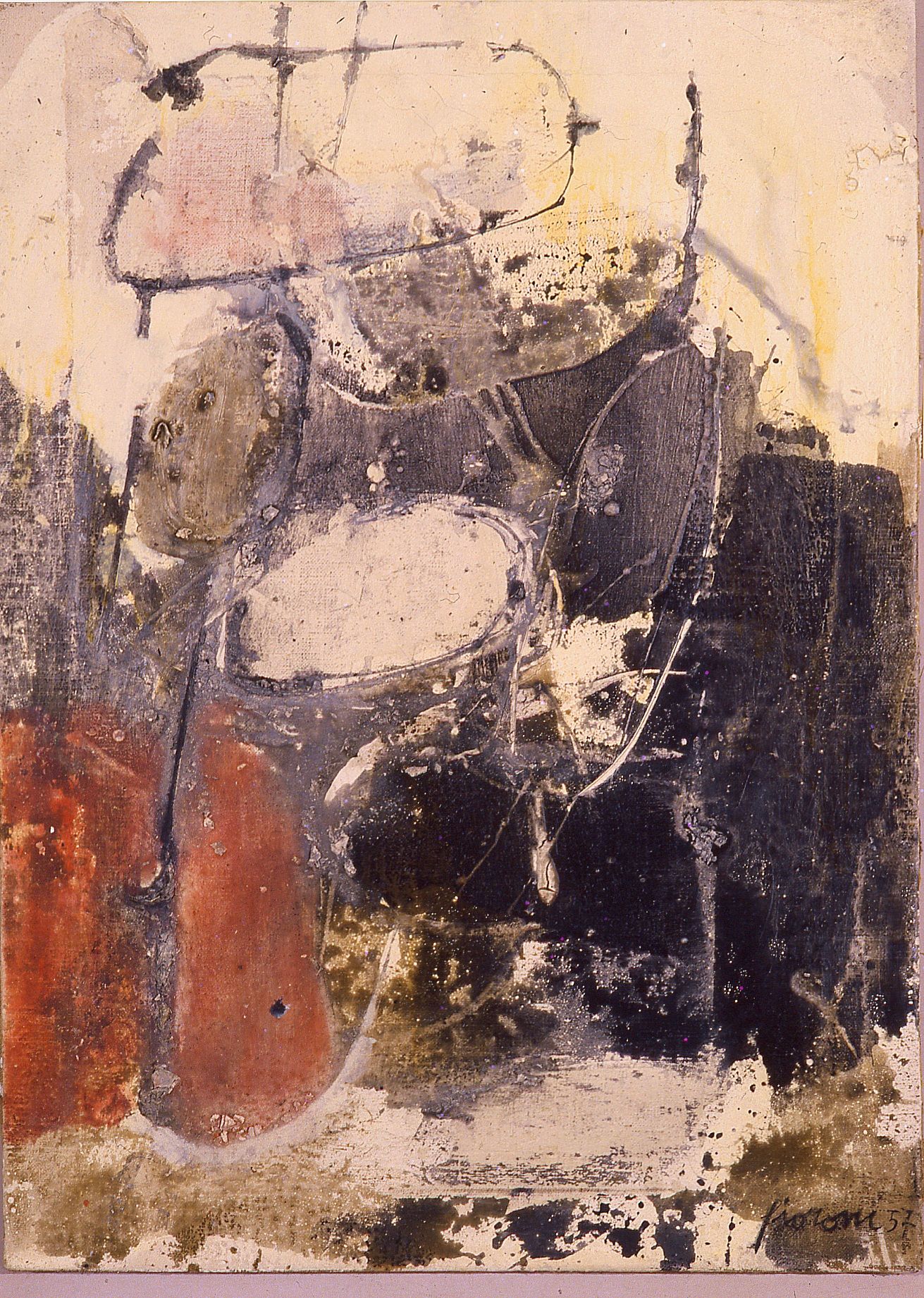
The exhibition addresses the vital period between the end of the Second World War and the beginning of the fabulous Sixties in Italy.
As curator Marco Bazzini writes, “it is difficult to think of the Fifties as a time when everything unfolds with linear progress because they are years in which becoming is chaotic, especially in art, which is its mirror; years in which multiple directions are followed, where everything flows from a dialectic between multiple fires, sometimes close to each other, other times very far apart. A heterogeneous mass of contrasting opinions and practices that gives rise to a legacy of values and experiences that, like bees, pollinate the following decade”.
The exhibition begins with personalities such as Alberto Magnelli and the Marchigiano Corrado Cagli, who had already had a first abstract experience between the two wars and who returned to Italy in those years after exile, bringing with them the most current artistic experiences.
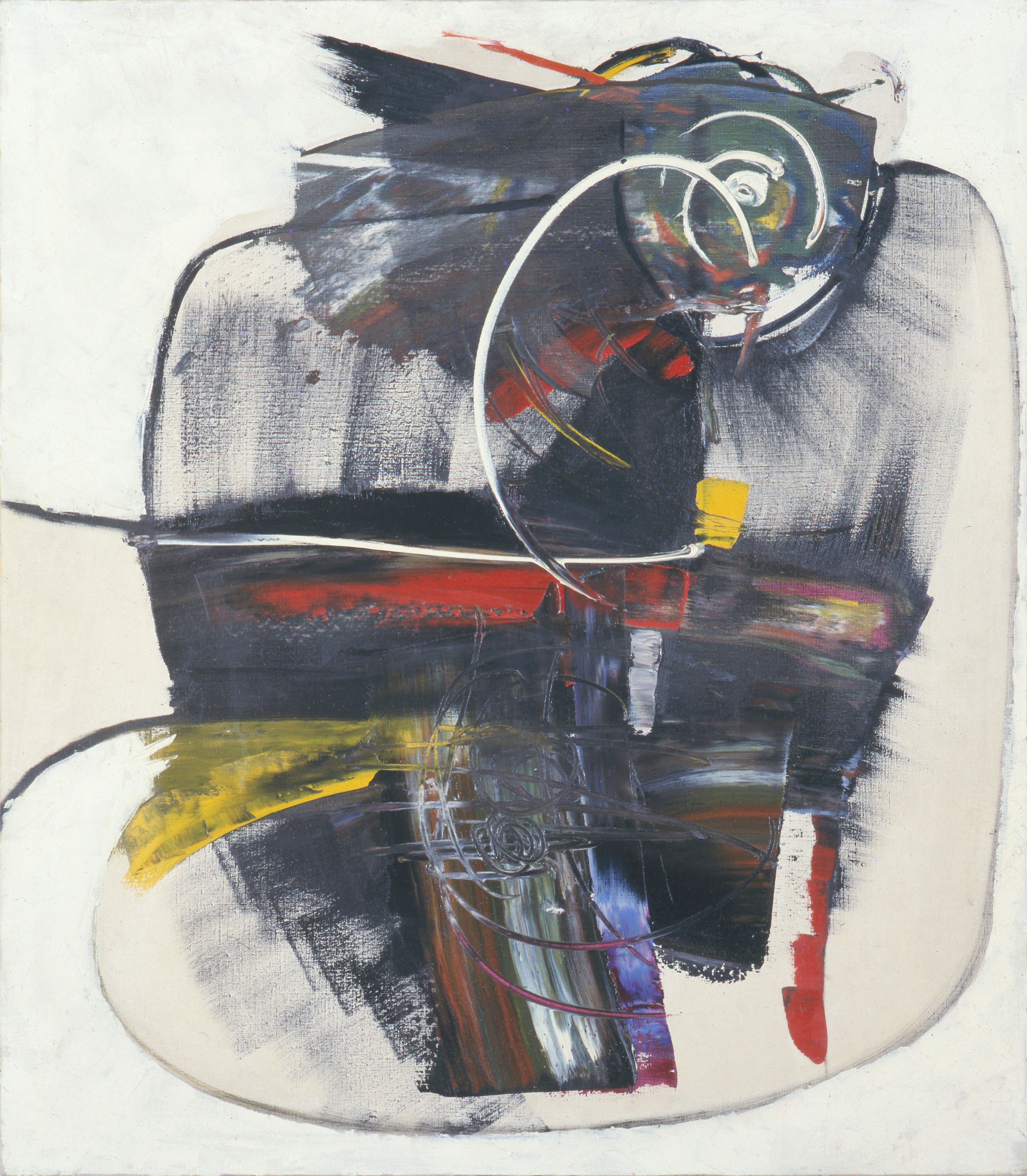
These are years in which artists open up to an expressive freedom made up of many different ways - hence the title of the exhibition, which takes up the most typical term used in the mid-1500s by Giorgio Vasari, who this year marks the 450th anniversary of his death - starting from the polymathic sensitivity of Alberto Burri or the new spatial dimensions investigated by Lucio Fontana and with him a large group of young artists including Edmondo Bacci, Gino Morandis, Tancredi Parmeggiani, Cesare Peverelli and Gianni Dova.
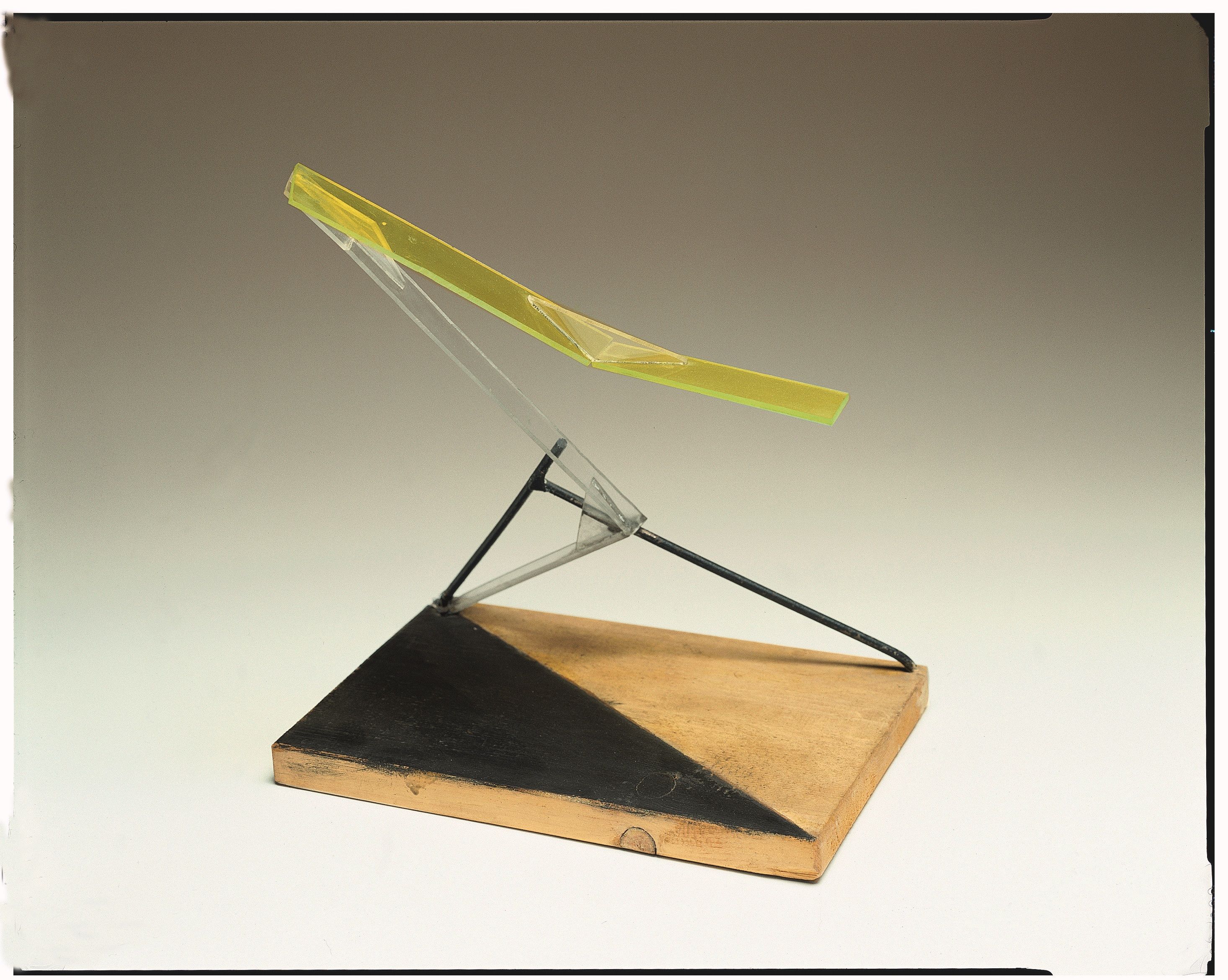
The new generations that from the late Forties can begin to assert their pictorial proposal are directed towards experiences that discover the sign, Carla Accardi, Achille Perilli and Antonio Sanfilippo (members of the Forma Group in Rome) but also the gesture that can take on revolutionary characteristics as in Emilio Vedova. Color and hues sing in the precious paintings of Afro Basaldella and Mario Nanni, while other contemporaries are interested in building a tangible, objective reality that transcends any extraction or reference to reality like, among those present in the exhibition, Gillo Dorfles, Bruno Munari, Atanasio Soldati, Gianni Monnet (belonging to the Concrete Art Movement formed in Milan). And then there are those like Renato Birolli, Ennio Morlotti and Antonio Corpora who continue to look at nature proposing dense pictorial surfaces or, conversely, those who scrutinize the atomic universe which at that time has a significant influence in the arts, as seen in Enrico Baj, Guido Biasi and Mario Persico. Female artists also take part in this new dimension with a strongly autonomous sensitivity, in addition to Accardi, works by Carol Rama, Renata Boero, Regina, Paola Levi Montalcini and a very young Grazia Varisco.
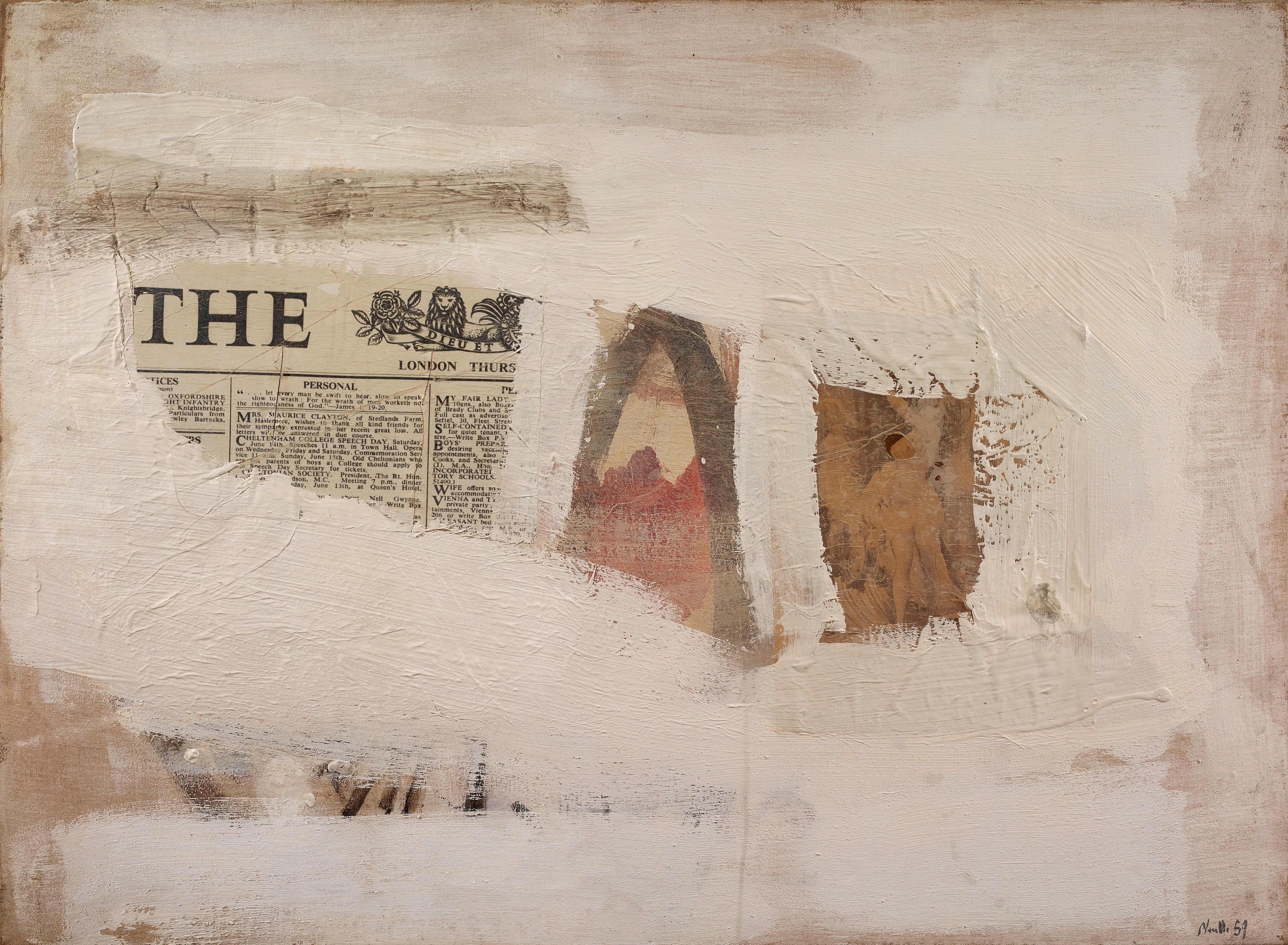
Finally, a group of artists that forms in these years but that from these premises goes beyond the Informal to lead the research of the following decade in which new pictorial dimensions are conquered: Toti Scialoja, Gastone Novelli, <span style="border: 0px; margin: 0px; padding: 0px; font-weight:
Curated by