About
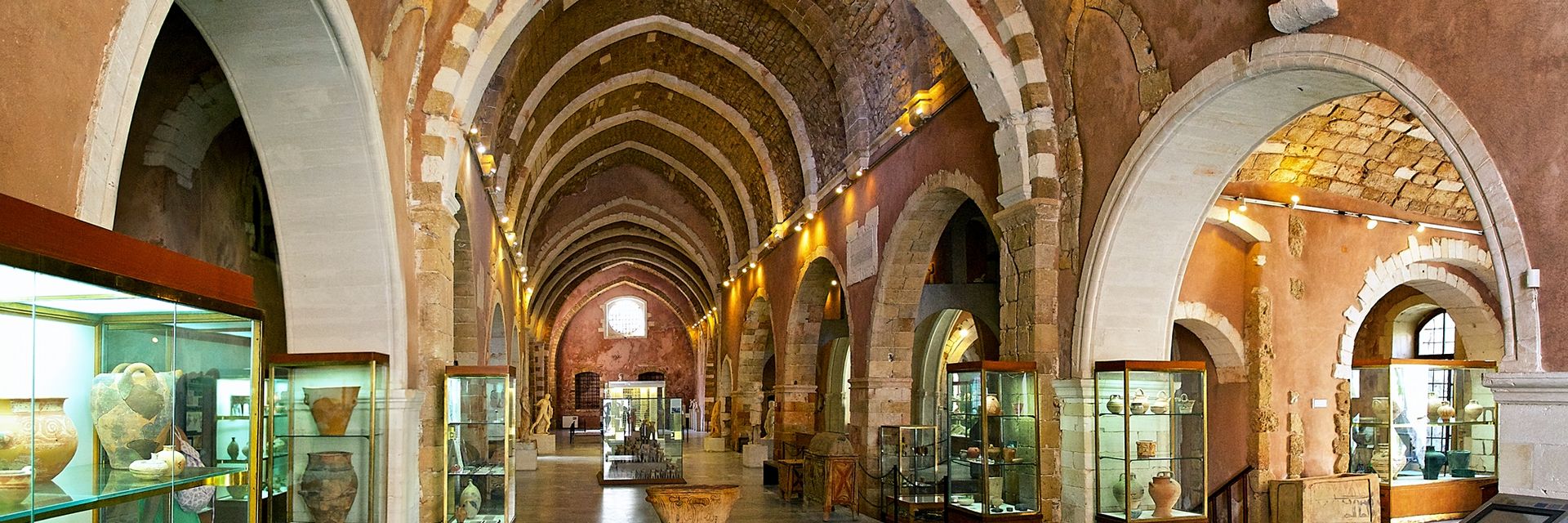
The Archaeological Museum of Heraklion, located in the center of Heraklion, is considered the world's foremost museum dedicated to Minoan civilization, with the most complete collection of ancient Cretan artifacts. Inaugurated in 1939 and designed by the architect Patroklos Karantinos, it represents an example of Greek modernist architecture.
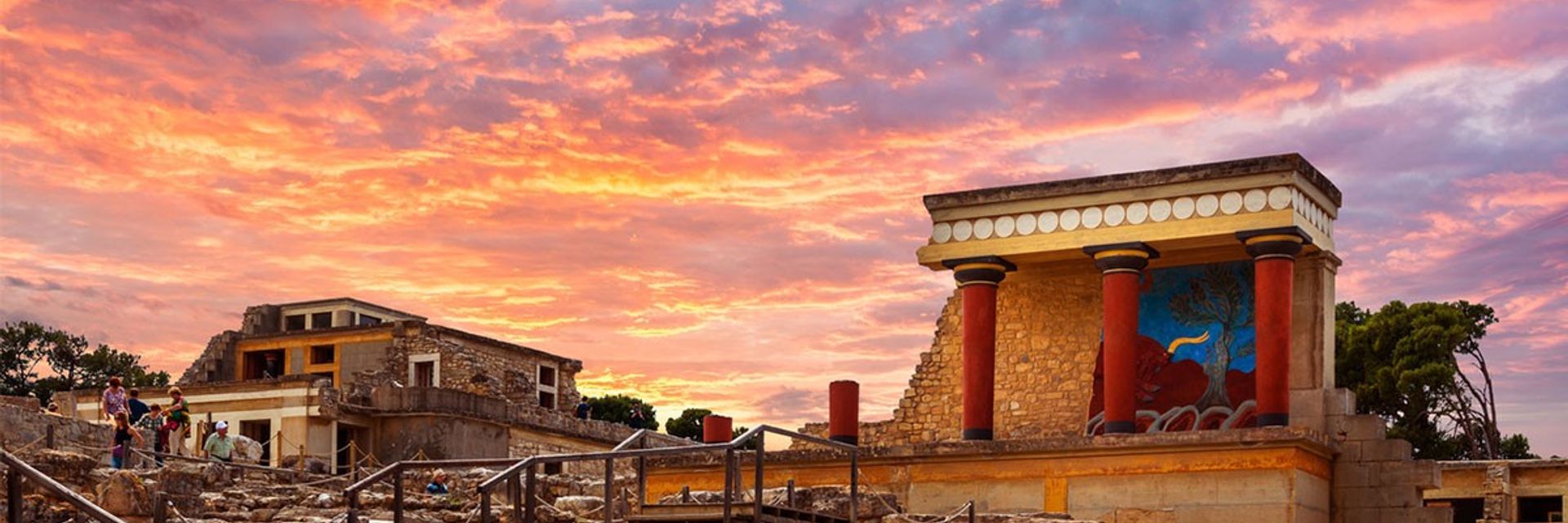
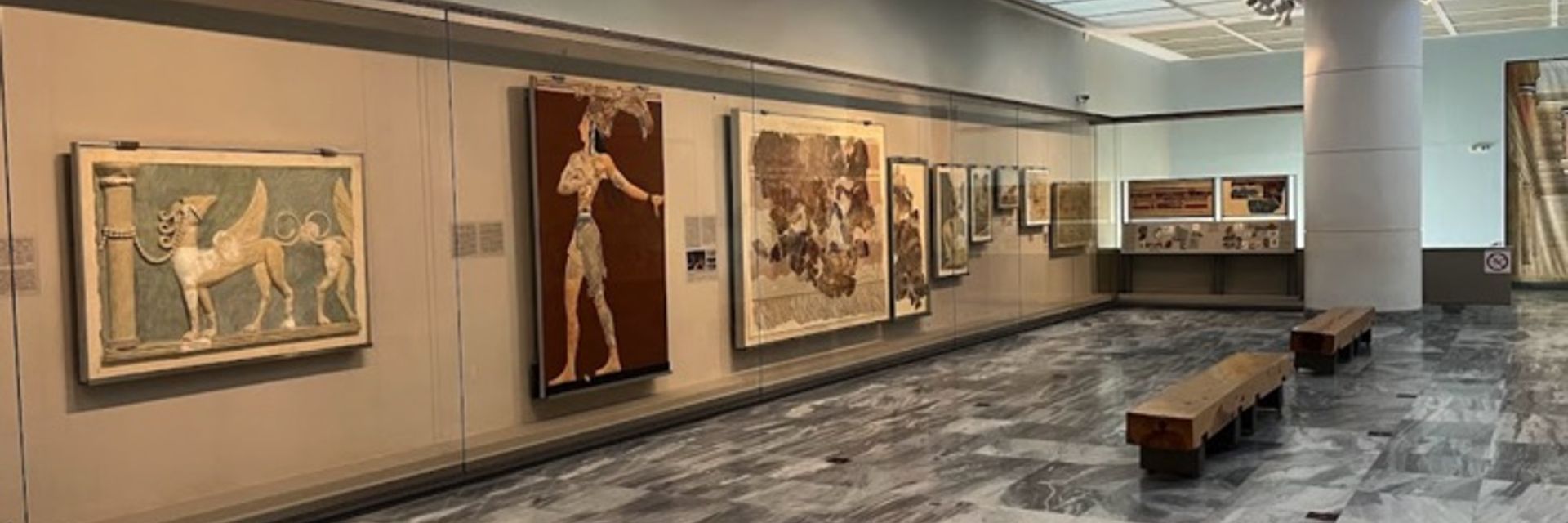
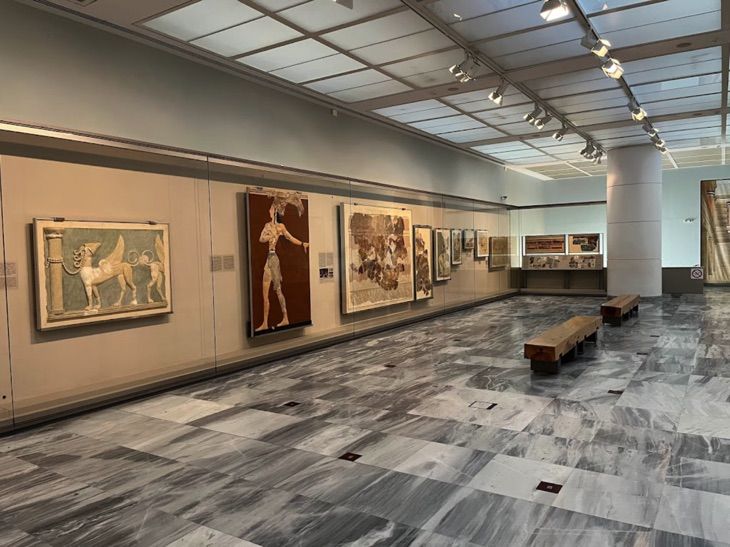
The museum tour unfolds in 27 thematic rooms, covering a chronological span from the Neolithic period (7000 BC) to the Roman era. The main exhibited works include: the iconic figures of the Snake Goddesses, symbols of Minoan religiosity; The Phaistos Disc, a mysterious clay disk with undeciphered ideograms; The famous "Bees of Malia" pendant, a refined gold jewel, and the Arkalochori Axe, an engraved votive bronze axe; The impressive Harvester Vase, a steatite vase with reliefs depicting processions or sports; The vibrant frescoes from the Palace of Knossos such as the "Prince of the Lilies," the "Bull-Leaping," and other mural masterpieces; The sarcophagus of Hagia Triada, unique for its complete funerary decoration in fresco.
The exhibition is technological and interactive: explanatory texts, models, 3D replicas, multimedia languages help contextualize the heritage.
Programme and activities
Guided tours, exhibitions and events at Heraklion Archaeological Museum will appear here. Follow the museum to get updates.