About
The Archaeological Museum of Valle Sabbia represents, in terms of quantity and quality of preserved artifacts, a unique and exceptional collection for the province of Brescia and beyond. Among the museums in the valley, it is the oldest in terms of foundation.
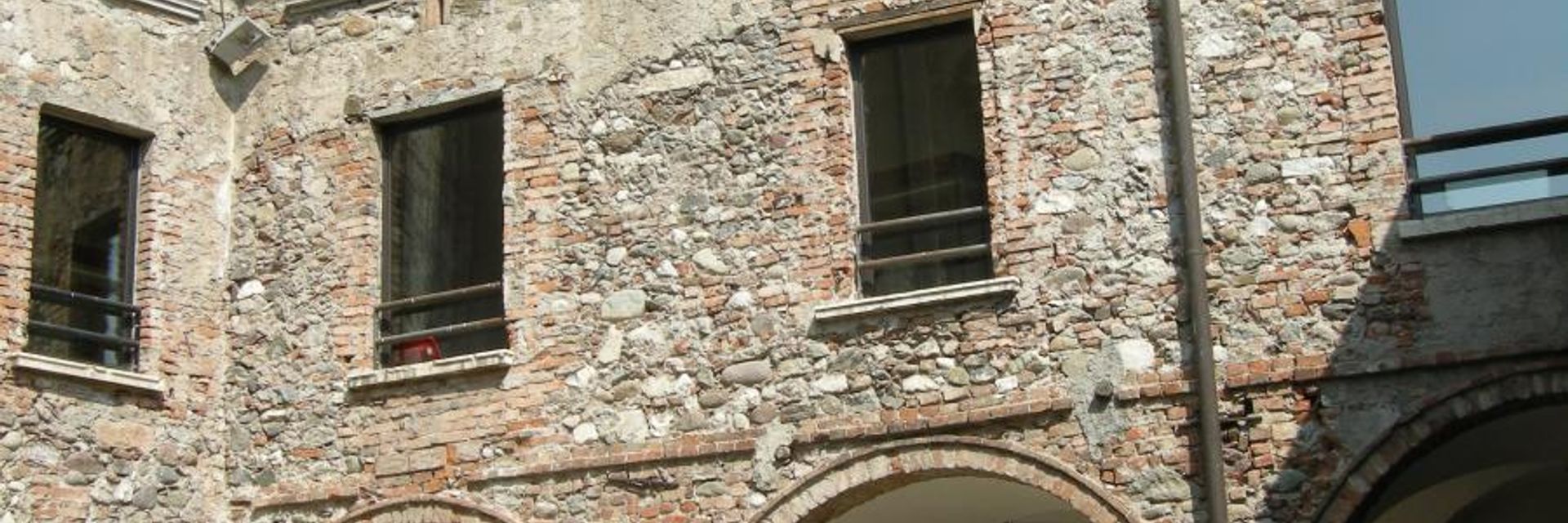
Housed in an ancient building attached to the parish church, it preserves and exhibits the material evidence of human settlements that inhabited the Valsabbia area and the western Garda area from the Paleolithic to the Middle Ages.
It was established in 1956, thanks to the initiative of the master from Gavardo, Piero Simoni, and a group of passionate cavers and archaeology enthusiasts, members of the Grotte Gavardo Group. The results of their important research, starting from the one at Buco del Frate in Prevalle which unearthed, among others, the skeleton of Ursus spelaeus, form the original core of the collections displayed in the museum showcases.
On the ground floor, you will find the paleontological hall, which illustrates the stages of the birth and development of living organisms on earth, as evidenced by the numerous fossils on display.
On the first floor, there are other rooms that narrate the cultural stages of Man in our area during the Paleolithic, Mesolithic, Neolithic, Bronze Age, and Iron Age.
The hall of Lucone di Polpenazze houses the cast (a plaster copy) of the wooden canoe recovered in 1965 by the volunteers of the Grotte Group, in an area where there were five pile dwellings.
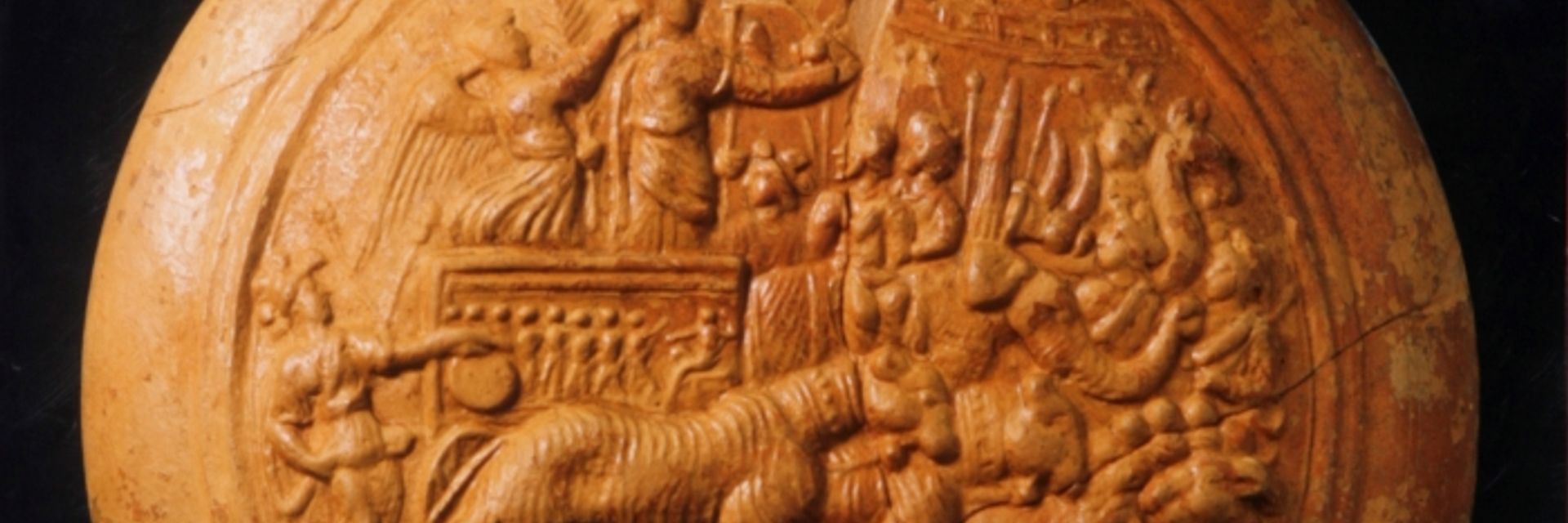
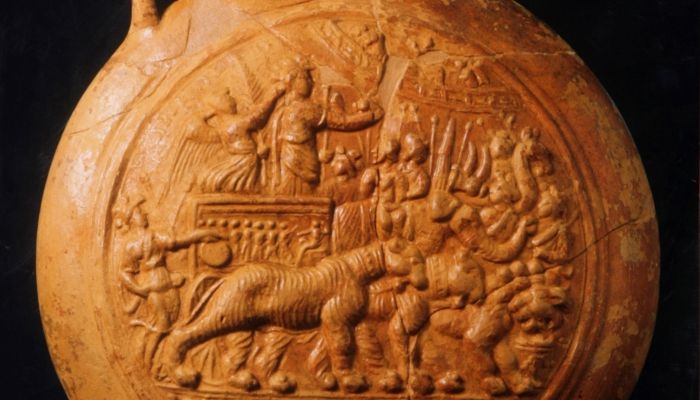
Lastly, in the Hall of the necropolis of Lugone di Salò, the artifacts found in the necropolis of Salò are exhibited, including the famous terra sigillata flask (a particular Roman-age ceramic) with both faces decorated.
Programme and activities
Guided tours, exhibitions and events at Valle Sabbia Archaeological Museum will appear here. Follow the museum to get updates.