About
On October 16, 2025, will be a date of rebirth for Camerino. After nine years of closure, the Archbishop's Palace and the Diocesan Museum G. Boccanera will reopen to the public, returning to the heart of the city places of identity, completely renewed in the exhibition and museum vision. The inaugural day will start at 10:00 am in Piazza Cavour, with greetings from the authorities and the official reopening ceremony. Following this, attendees will be able to participate in a guided tour through the new museum rooms, discovering the redesigned exhibition path to enhance the collections, and conclude with a convivial moment open to the community.
The earthquake of 2016 deeply affected Camerino, emptying it of people, sounds, habits. The historic center, wounded and inaccessible, remained suspended in silence for a long time, while the community faced a difficult period of waiting and resistance. However, during these years, the city has not stopped preserving memory, beauty, and culture. Today, Camerino restarts from here: with the reopening of the Diocesan Museum, not only a place of art, but a powerful symbol of rebirth and a collective gesture that speaks of trust and reconstruction, also social and economic.
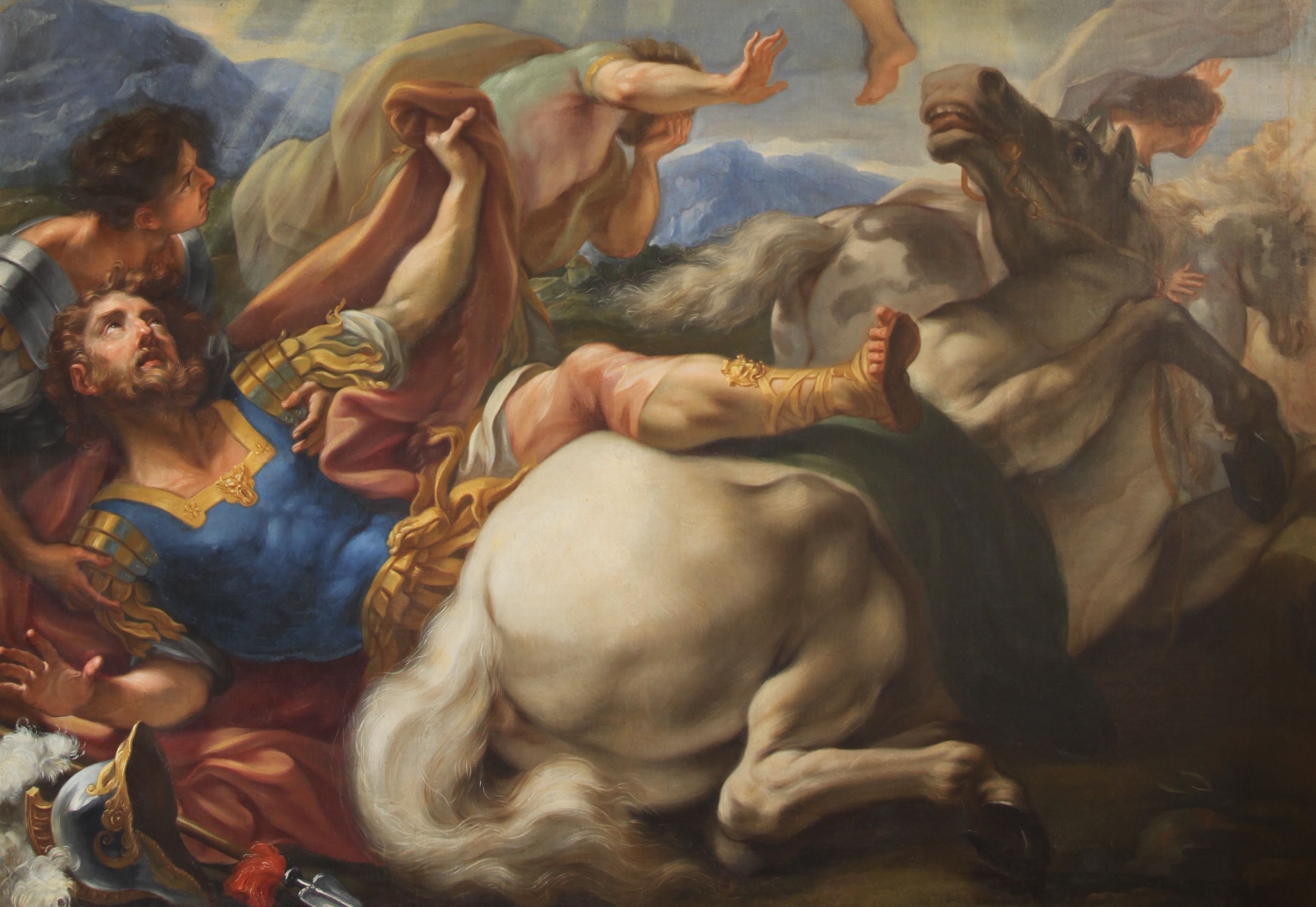
The exhibited heritage is of extraordinary importance and tells, through the centuries, the cultural and spiritual richness of the territory: from the fourteenth-century suggestions of the sculpture depicting Saint Anatolia by the Master of the Magi of Fabriano to the Renaissance finesse of the Annunciation by Luca Signorelli, to the dramatic nature of the wooden Crucifix by Lucantonio di Giovanni Barberetti and the theatrical power of the Conversion of Saint Paul by Baciccio.
Alongside these, the poetry of the Madonna enthroned with the Child by Giovanni di Piermatteo Boccati and the luminosity of the Apparition of the Madonna with the Child to Saint Philip Neri by Giovanni Battista Tiepolo show how Camerino, deeply rooted in the heart of the Marche region, has always been able to engage with the great protagonists of European painting, from the Middle Ages to the Baroque.
Not only are precious works returned to the local community and the public, but they are placed in a new, more accessible, narrative, and engaging museum context, capable of transforming the visit into a lively and current experience.
The Museum thus returns to being a vital center, open to the citizenship, visitors, students: a space for dialogue and encounter that gives heart and voice back to a city that has chosen not to stop and to continue walking with its gaze towards the future.