


About
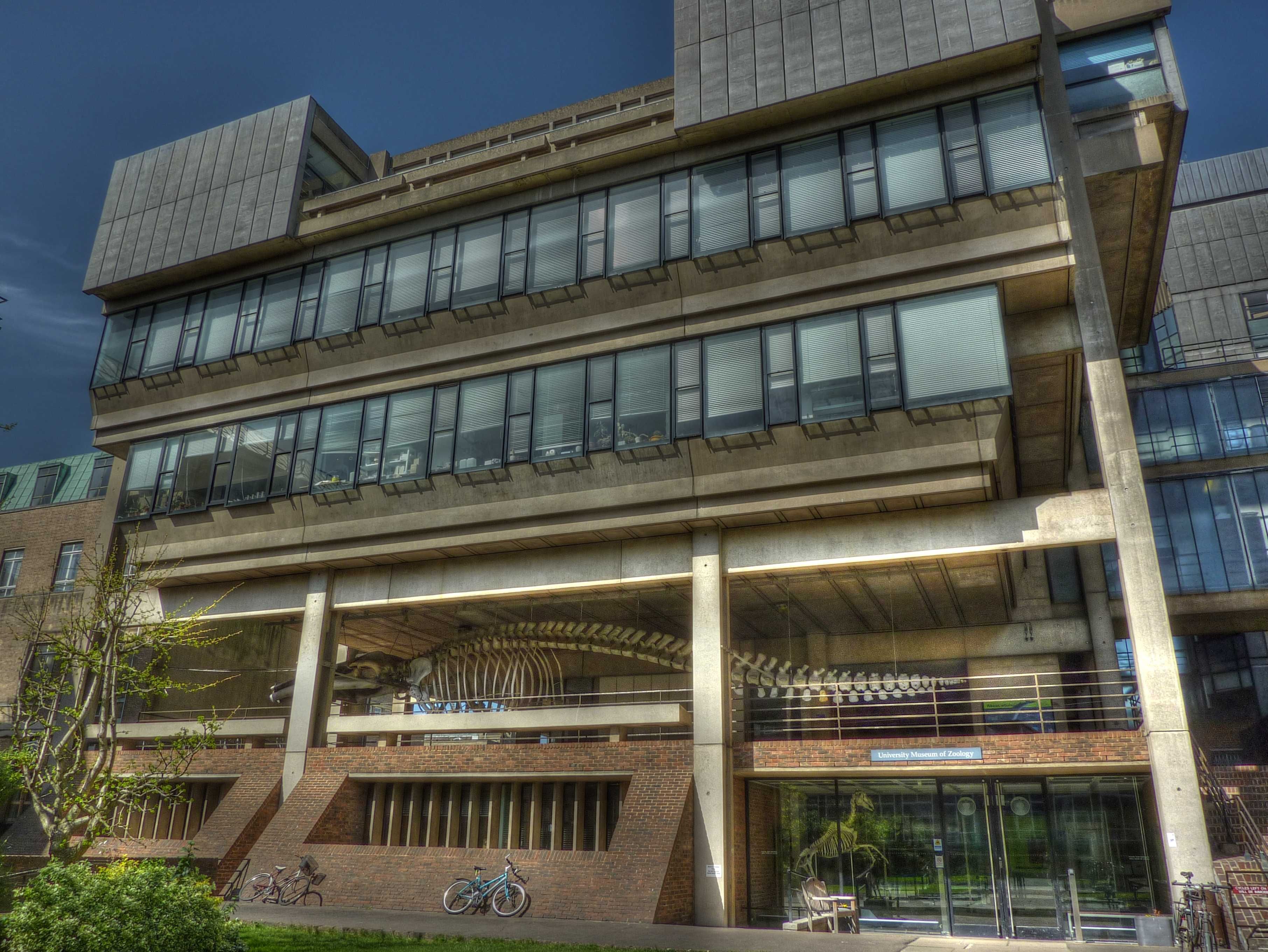
The University of Cambridge's Museum of Zoology is one of nine museums under the management of the University of Cambridge.
Most of the museum's material was collected by the great expeditions of the nineteenth century, which had the great merit of providing the first documentation on fauna. The first exhibitions exhibited date back as far as 1814. The 1800 was in fact a key period for the study and development of zoology and biology as modern disciplines. Subsequently, the museum enriched its collection with specimens of birds belonging to Swainson, an English ornithologist, and animals from the Cambridge Philosophical Society to which Charles Darwin himself had contributed.
The city of Cambridge itself has been a strategically important center for the development of science subjects.
The museum's collection is divided into five galleries and exhibits a variety of species: from moths to monkeys, from mammoths to manatees. It tells the stories of extinction, survival, evolution and exploration.
Examples on display include: the 21 meter long whale, the giant land sloth, one of the UK's most complete Dodo skeletons, Captain Cook's shell.
Programme and activities
Guided tours, exhibitions and events at Museum of Zoology will appear here. Follow the museum to get updates.


