About
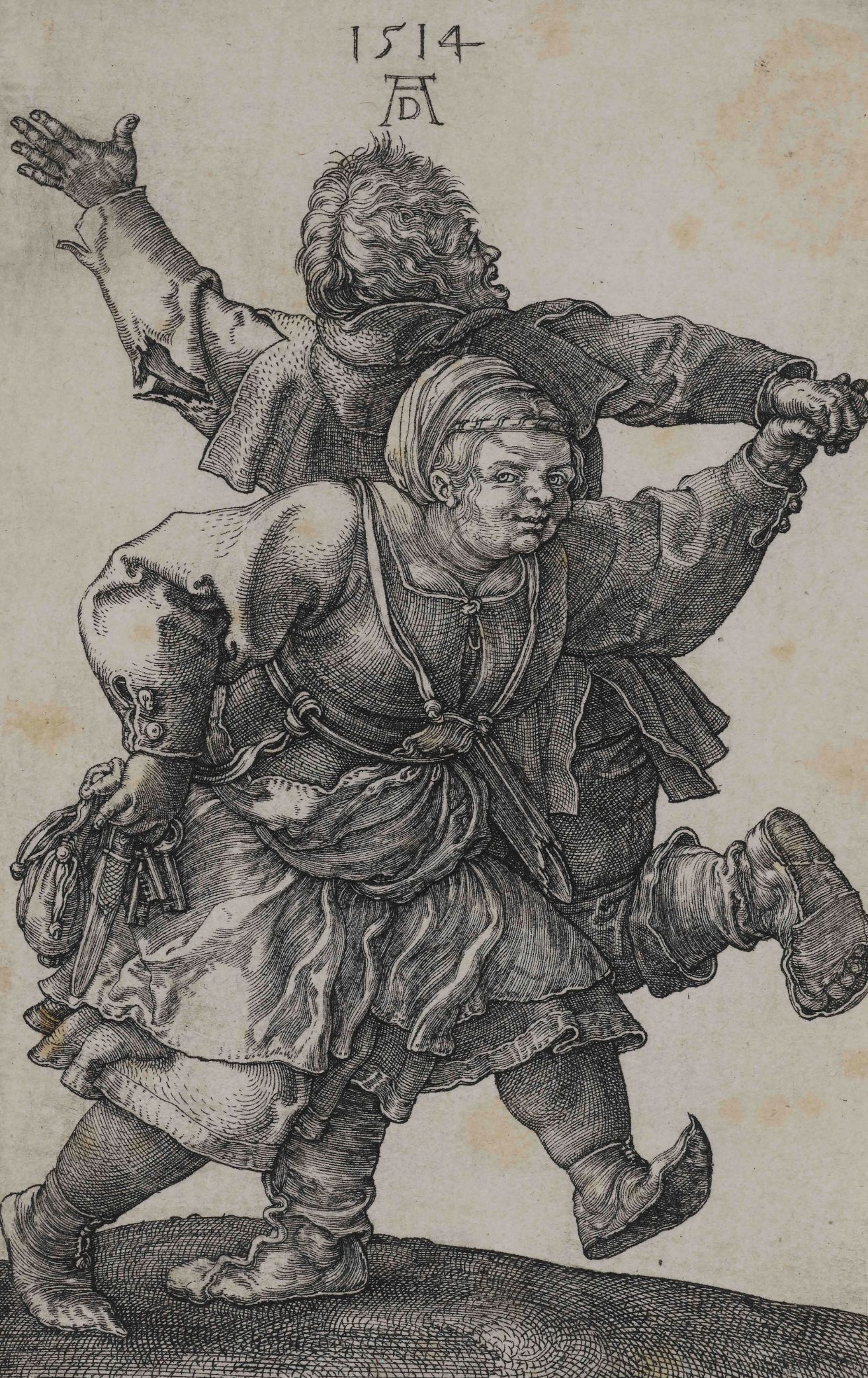
500 years ago, something almost unbelievable happened: The peasants rebelled against the nobility and the feudal order. This "revolution of the common man" was brutally suppressed by the authorities - yet it marked the beginning of a transformation that would lead to a modern world. When the peasants chant Luther's postulate of the "freedom of a Christian person," they mean the abolition of serfdom as well as liberation from unjust tax burdens and reprisals. The slogan actually refers to salvation of the soul, which can only be achieved through faith. Luther did not have the liberation from earthly troubles in mind, which is why he eventually took a stand against the peasants. The call for spiritual and secular freedom also resonates in the works of artists - and finds wide dissemination especially through the medium of printmaking. In this way, the new religious and political ideas reach the people and unfold their effectiveness. With often subtle humor, the artists pose the big questions of their time: Do we have free will? What is sin? What brings us redemption? Does our reason control our sensuality? And how can we find orientation in a world in turmoil? Masterful prints from the collection of the Graphic Collection including works by Albrecht Dürer, Lucas Cranach the Elder, and the Beham brothers show us that the desire for freedom and justice is timeless and must always be renegotiated.