


About
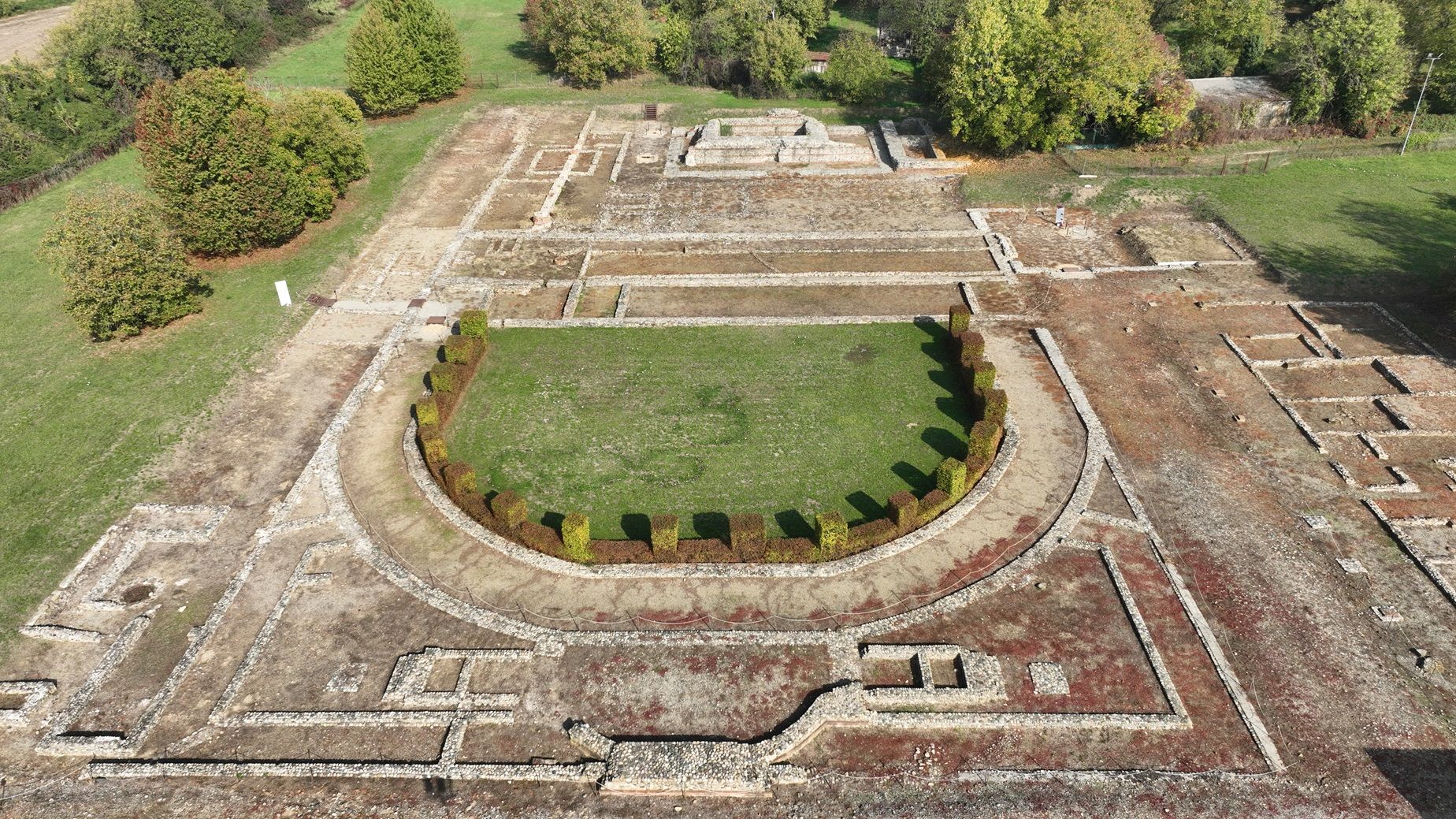
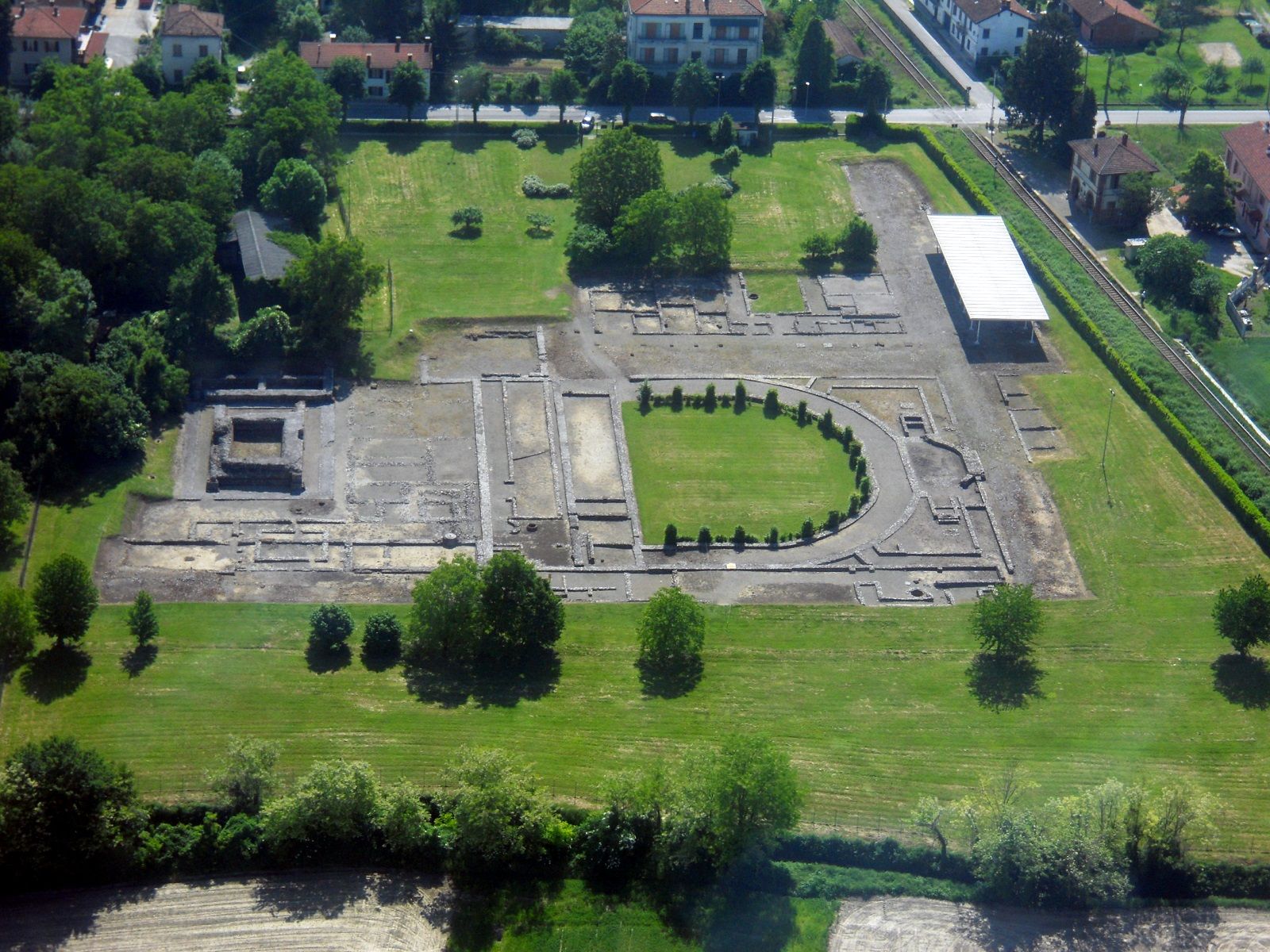
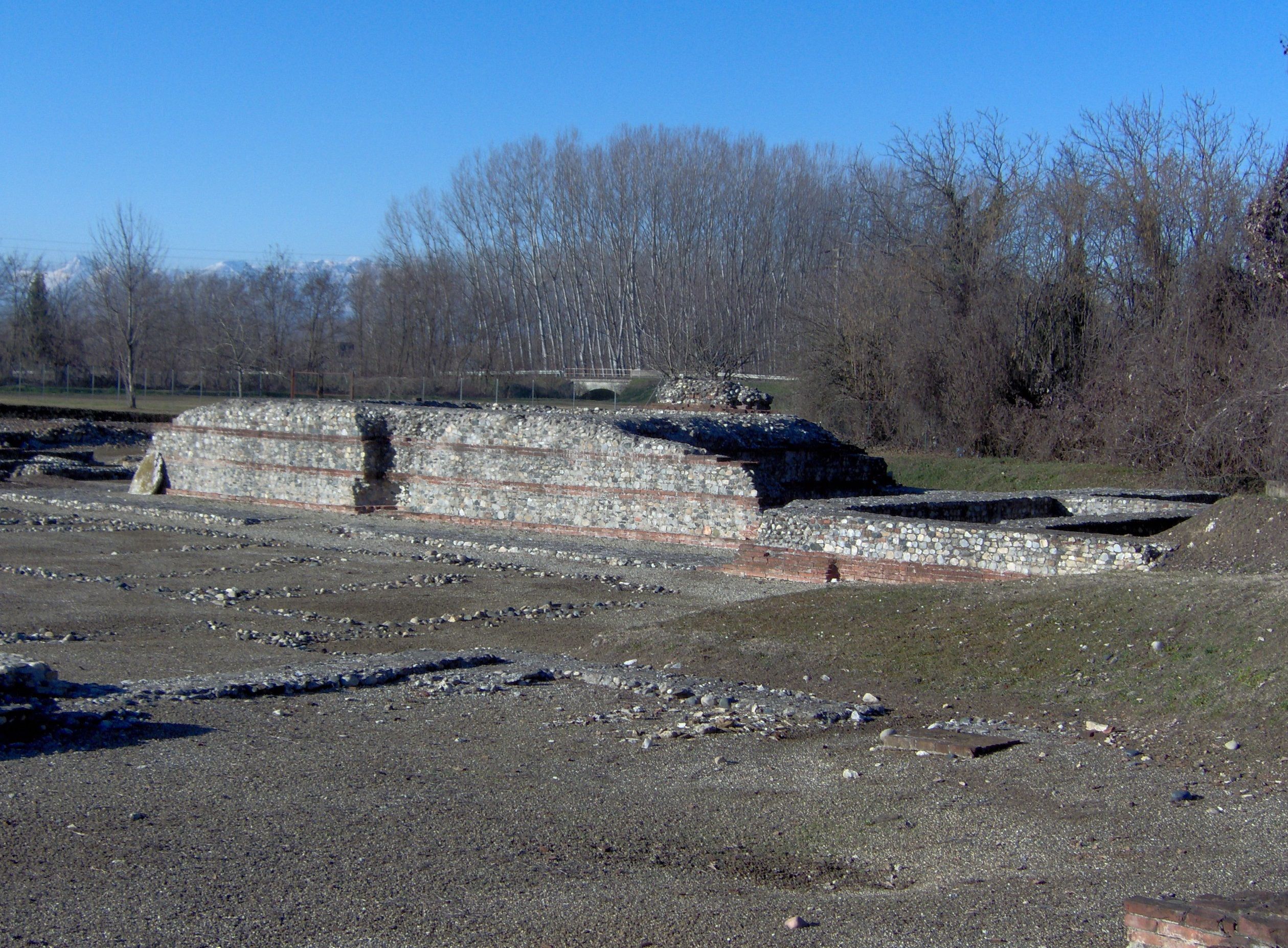
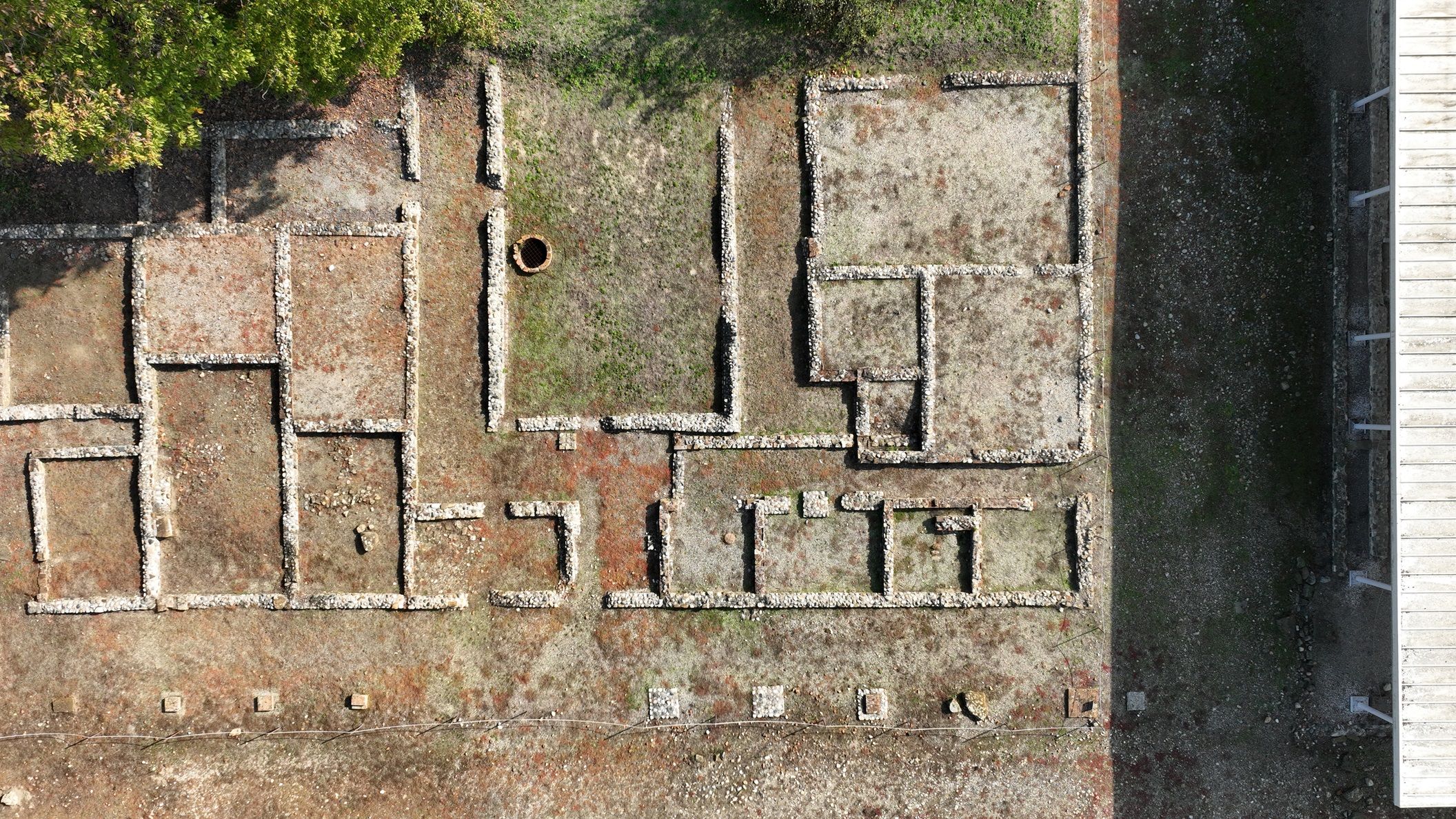
The archaeological area covers 26,500 square meters, located between the provincial road no. 590 of Val Cerrina, the road to Monteu da Po, and the Rio della Valle. It includes a central sector of the ancient Roman city, where two road axes intersect, flanking the main sacred city area dedicated to the worship of the Egyptian goddess Isis and her companion Serapis. This area includes a large semicircular open space, originally surrounded by porticoes, culminating on one side in a monumental exedra, flanked by two small temples, and on the other side facing the high podium of a temple with a monumental staircase. The latter was supposed to be related to the public square of the forum, unfortunately still buried within private property.
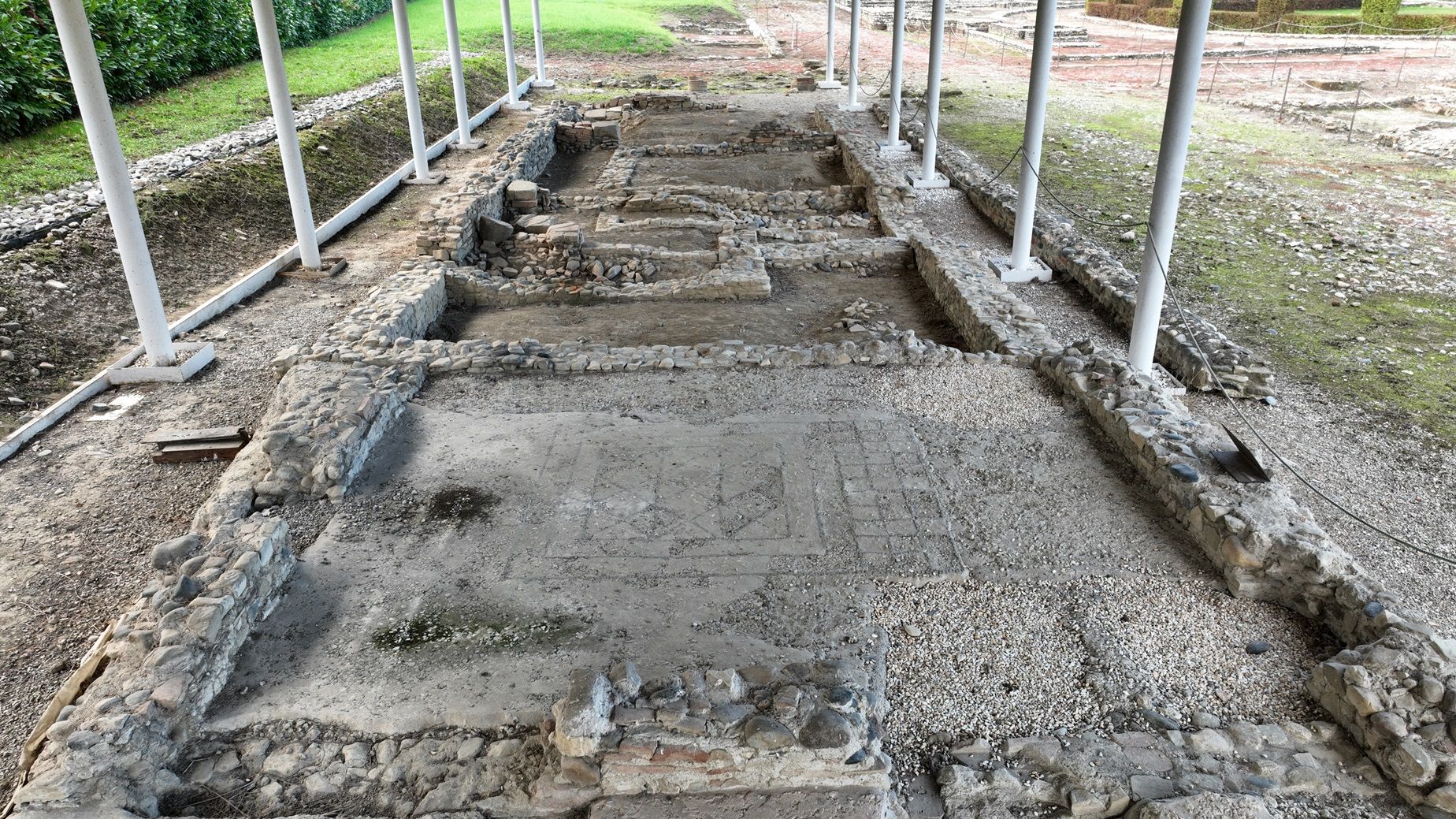
Visitors also have the opportunity to explore parts of the blocks that overlooked the intersection of streets, with domus in some cases featuring rich floorings, tabernae, and shops.
The planned city, built in the Augustan age (late 1st century BC - early 1st century AD) with a regularly spaced layout, was probably already founded, at least legally, at the end of the 2nd century BC during the Roman military campaigns in Monferrato, near the Celtic-Ligurian settlement of Bodincomagus = "market on the Po (Bodinkos)", in connection with an important river port for inland navigation (Pliny the Elder, Natural History III, 122). Today, the river has moved far away from the ancient city, whose northern limit is still marked by the presence of the ruins of the medieval parish of San Giovanni di "Dustria", mentioned in a concession from Emperor Otto III to the Canons of Sant'Eusebio in Vercelli on December 31, 997.
The site is part of the protected area of the Turin Po Park, corresponding to the Special Natural Reserve of the confluence of the Dora Baltea.
Programme and activities
Guided tours, exhibitions and events at Archaeological Area of Industria will appear here. Follow the museum to get updates.