



About
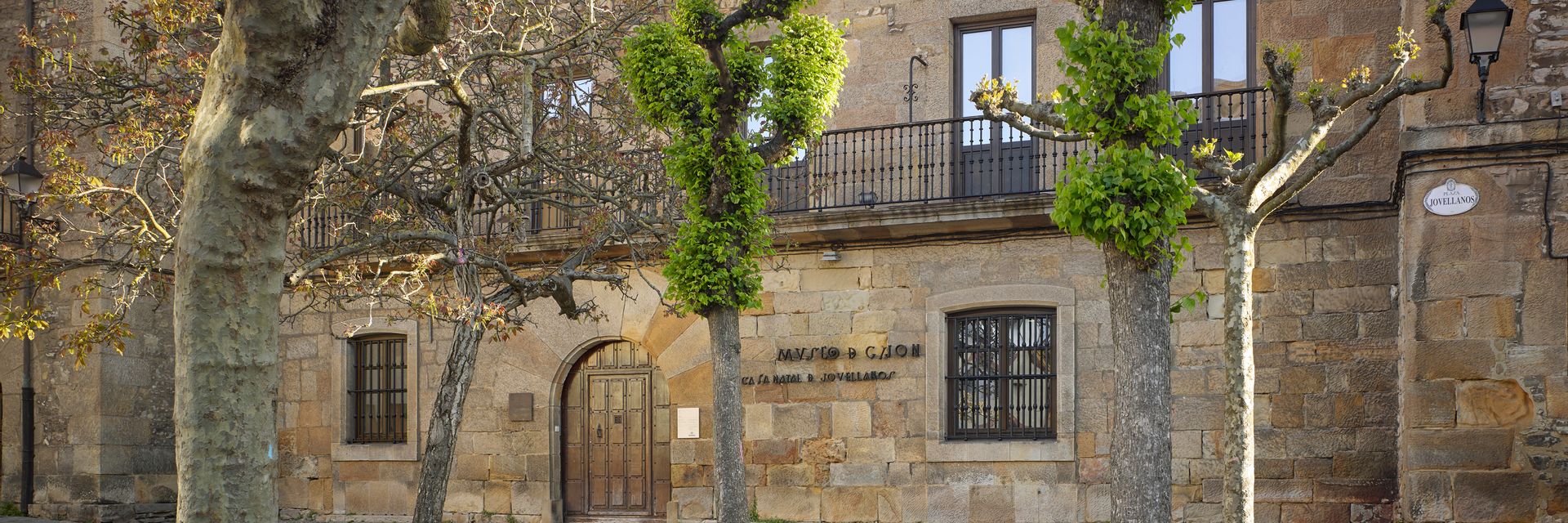
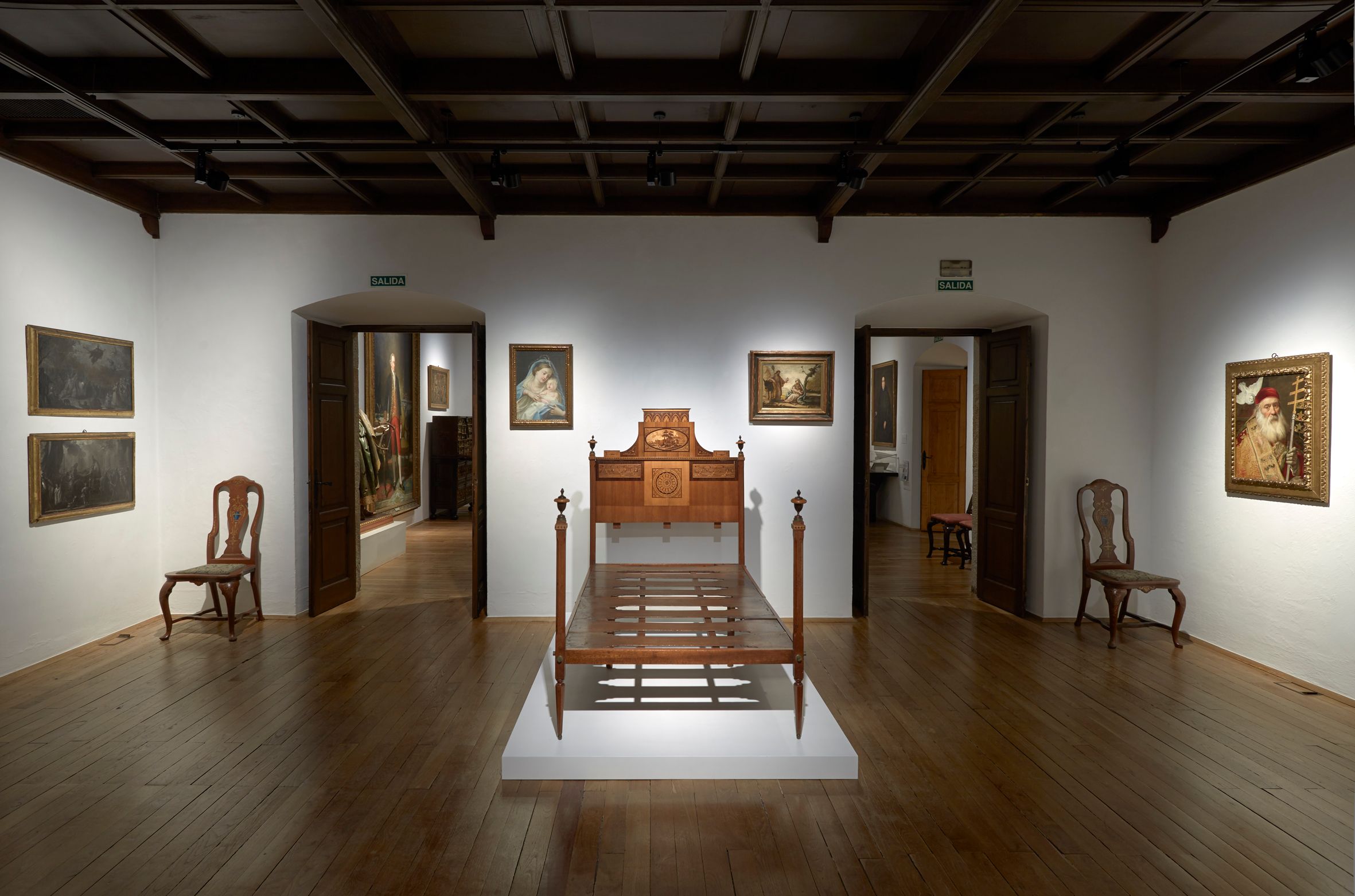
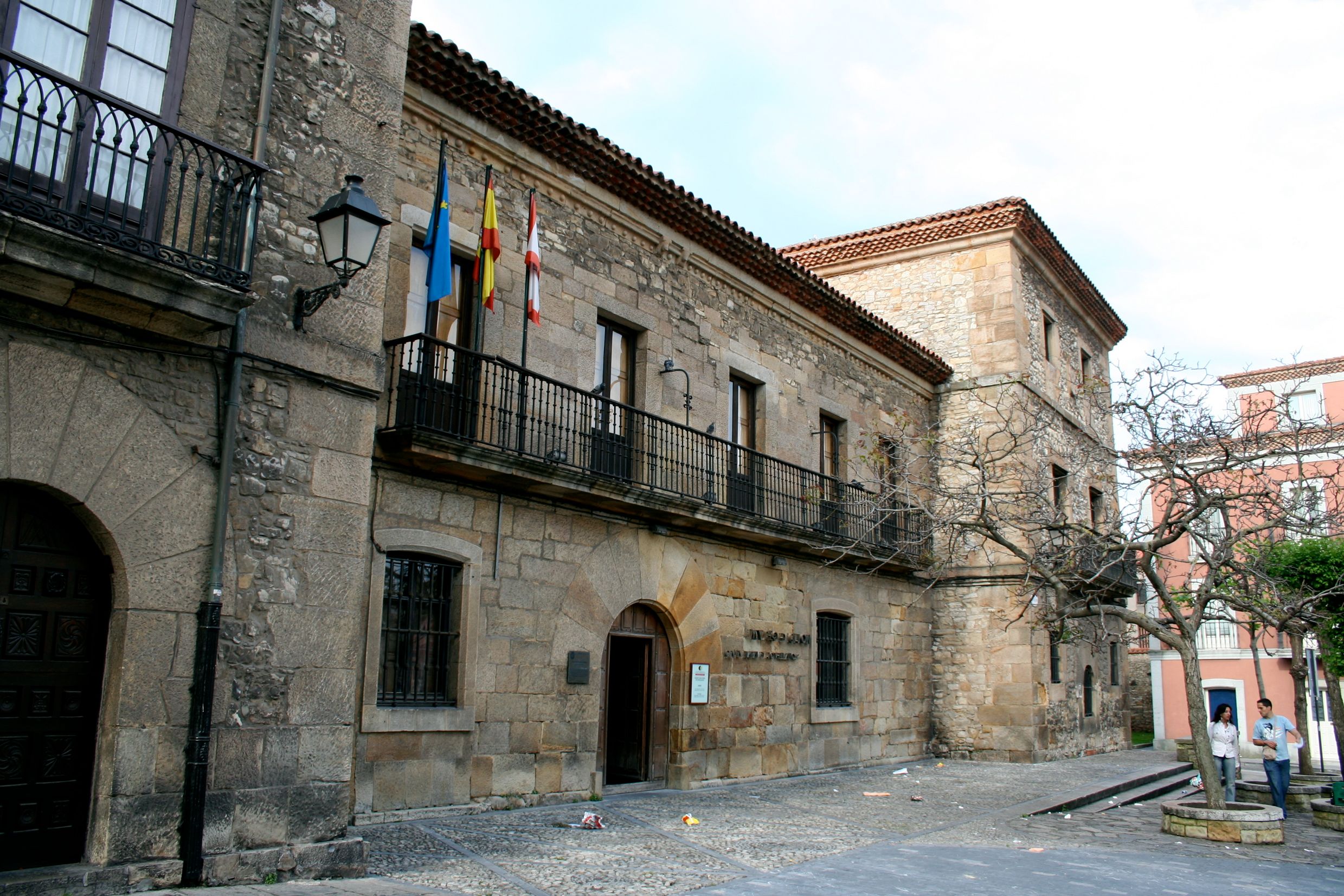
The Jovellanos Birthplace Museum was inaugurated in 1971 in one of the city's most emblematic buildings: the palace-house from the end of the 16th century in which the enlightened Gaspar Melchor de Jovellanos was born and lived. Its main mission consists of the dissemination, conservation and research of the municipal artistic heritage as well as commemorating the figure and work of Jovellanos . The building that houses the museum is an outstanding example of an Asturian mansion according to the model in force between the 16th and 18th centuries. It is structured in two lateral square towers joined by a central rectangular body with an interior patio for access to the different rooms. The permanent exhibition offers a journey through Asturian art of the 19th and 20th centuries, as well as an interesting representation of the main European artistic schools of the 17th and 18th centuries . Two of its rooms are dedicated to Jovellanos, and they exhibit furniture and personal objects as well as some pieces from his artistic collection.
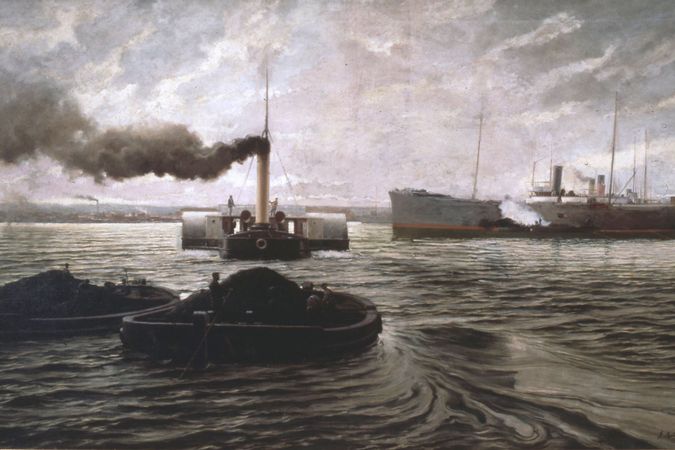
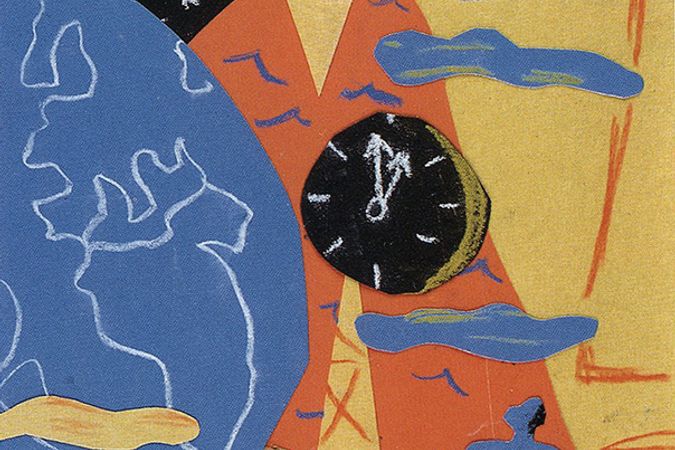
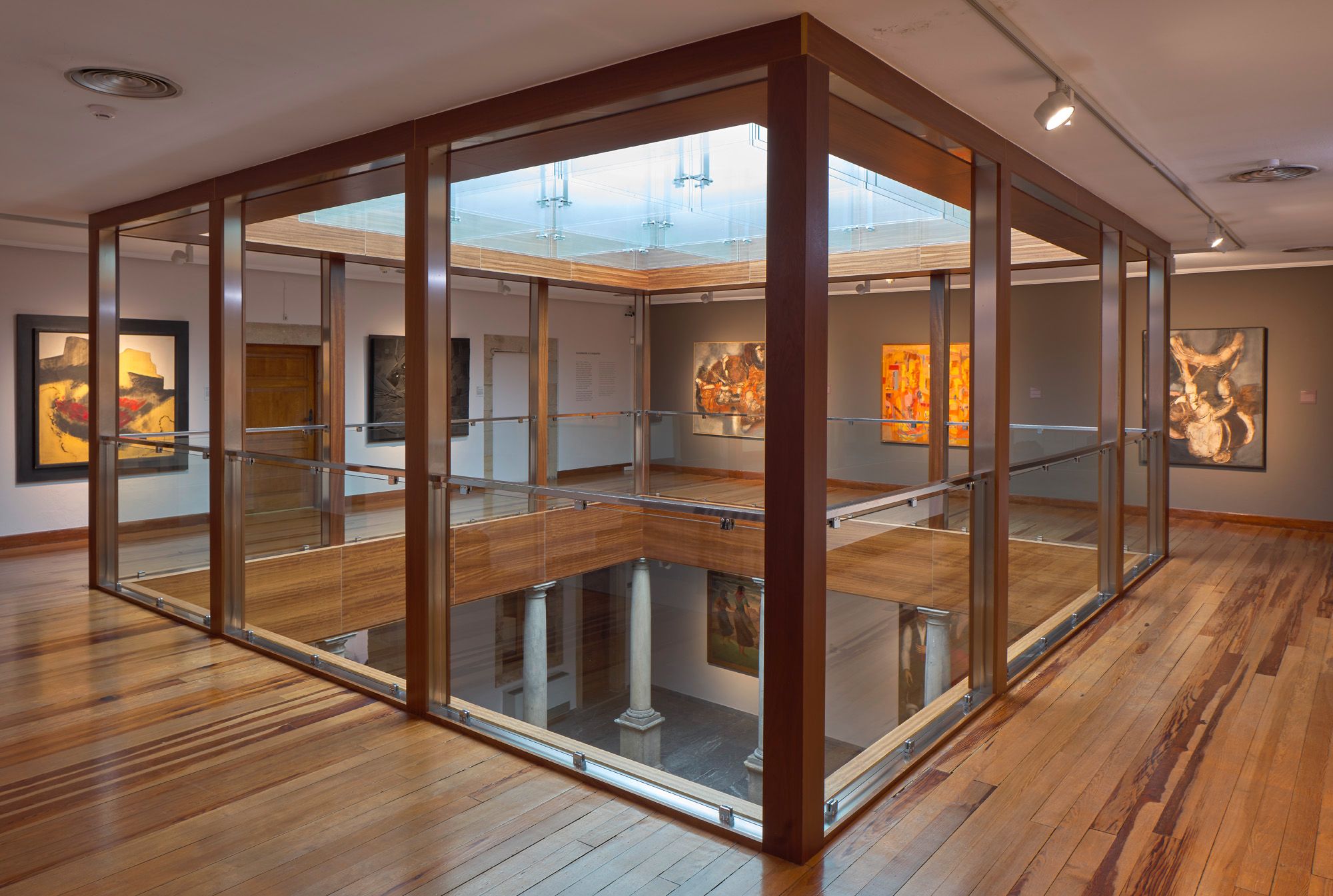
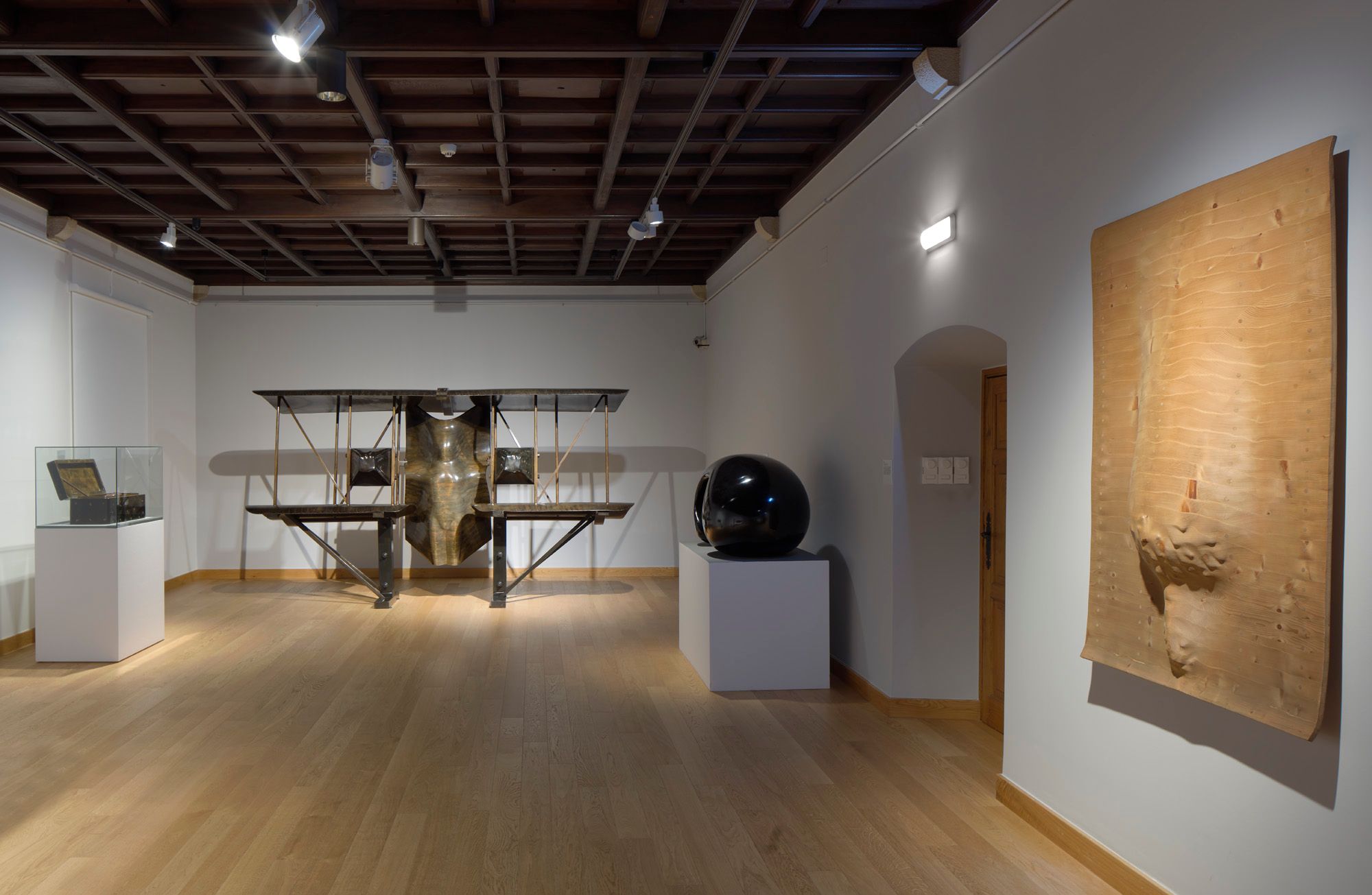
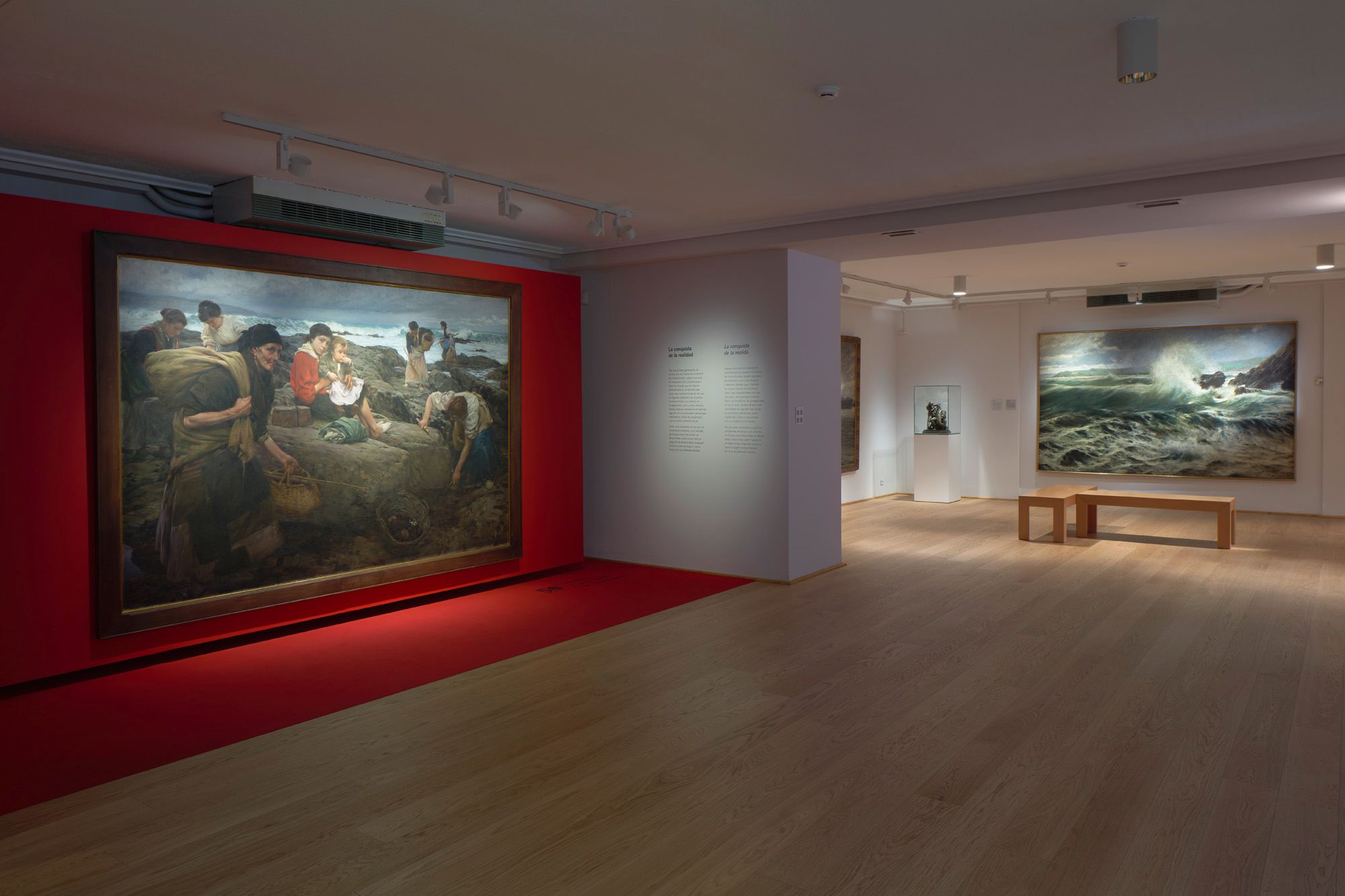
THE COLLECTION : The Museum preserves the municipal artistic collection made up of more than 3,000 works, including paintings, sculptures, drawings, engravings, illustrations, photographs and works in new media. In its formation and development, the donations and bequests made by local collectors and artists, among which Alberto Paquet, the Lledó-Suárez couple, Julia Alcayde and, more recently, Antonio Suárez or Rubio Camín stand out. The Asturian painting collection is conceived with the intention of bringing together significant works by artists who, from the 19th century to the present, were born, lived in or had a relationship with our city and who, to varying degrees, achieved national projection. This allows us to offer a journey through the main prevailing styles in the artistic panorama, from romanticism to the different conceptions of modernity.
The sculptural collection is based on two representative artists of the evolution of the genre at different times. On one side Sebastián Miranda and his Altarpiece of the Sea, and on the other José María Navascués . Around these two figures, a whole series of artists who, like Amador or Rubio Camín , made sculpture their main means of expression.
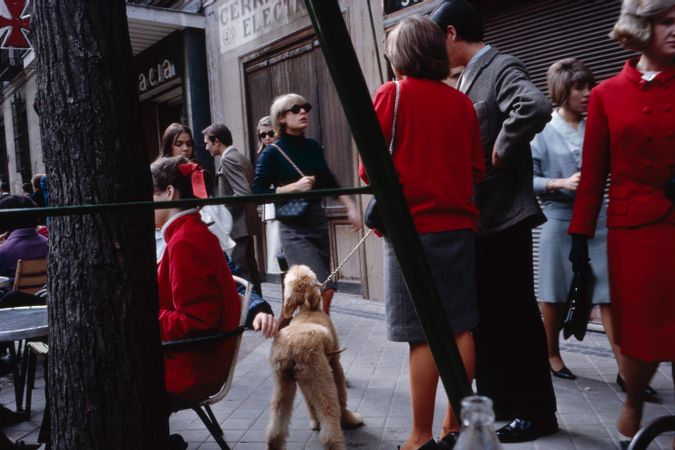
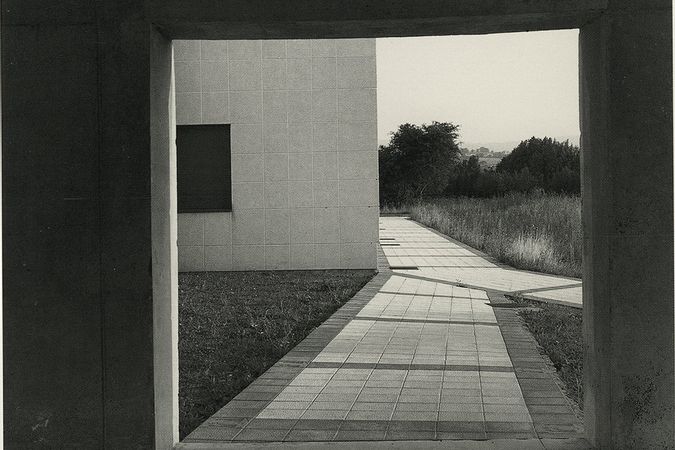
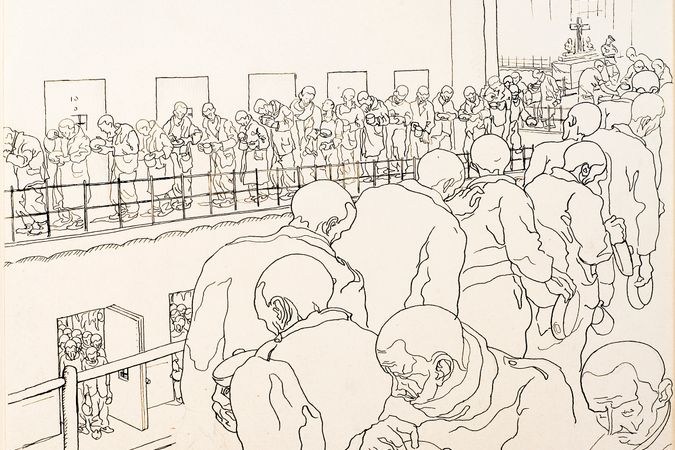
The origin of the museum is in the collection of drawings and sketches that Jovellanos gathered and that was destroyed in an episode of the civil war. Following the spirit of the Jovellanista collection, drawings by most of the artists represented in the collection have been incorporated. In recent years special attention has been paid to illustration and graphic design. T he collection of photography at the Jovellanos Birthplace Museum has specialized in those authors who have used this technique as a means of artistic expression, from pioneers such as Arturo Truán, to more recent creators such as Gonzalo Juanes or Cuervo-Arango.
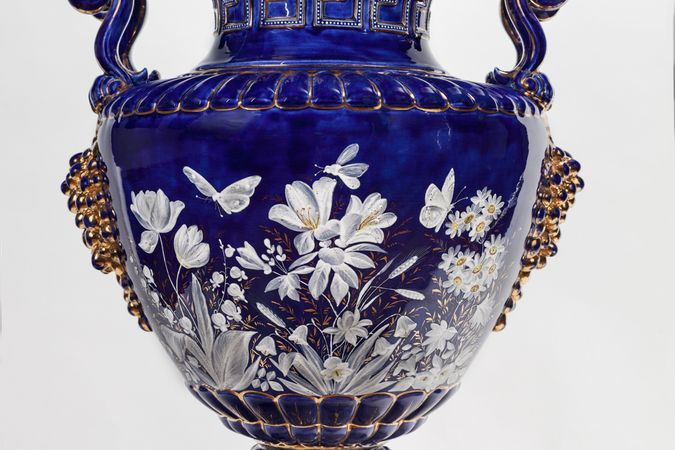
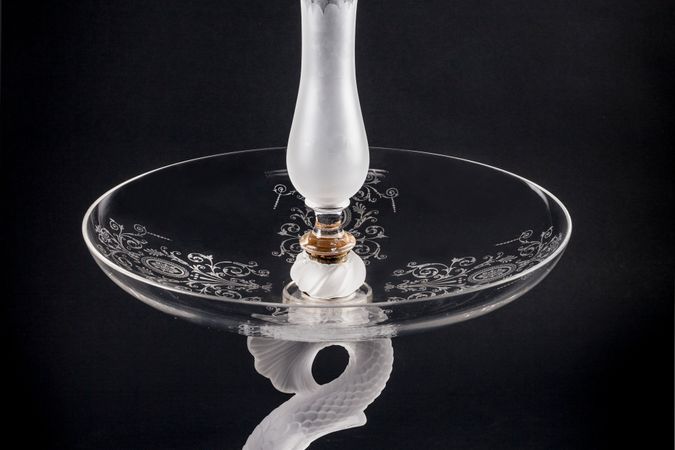
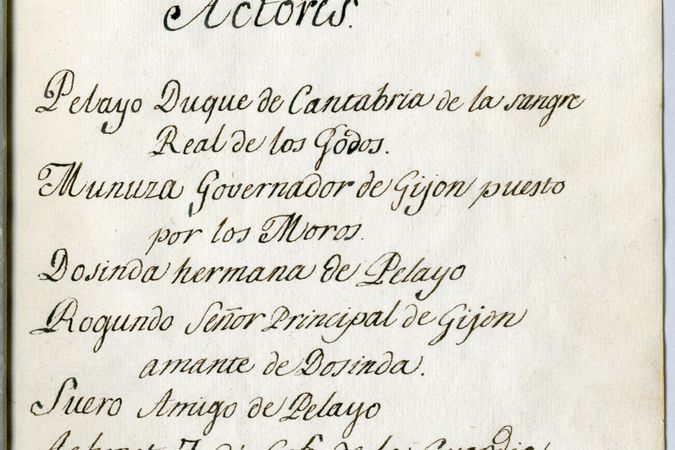
The collection brings together an outstanding set of pieces from the La Industria glass factory and the La Asturiana earthenware factory, the main manufacturers installed in Gijón for much of the 19th and 20th centuries. The Documentary and Bibliographic Fund houses all the documentation related to the collection, as well as an outstanding artist archive. The museum has a large library specializing in art history and a section dedicated to the figure of Jovellanos.
Programme and activities
Guided tours, exhibitions and events at Jovellanos Birthplace Museum will appear here. Follow the museum to get updates.
What to see
See all (13)