About
Casa del Mutilato di Genova – Fondazione A.N.M.I.G. renews its participation in the Day of Contemporary Art, now in its 22nd edition, organized by AMACI (Association of Italian Contemporary Art Museums) with the support of the General Directorate of Contemporary Creativity of the Ministry of Culture and in collaboration with the General Directorate for Public and Cultural Diplomacy of the Ministry of Foreign Affairs and International Cooperation.
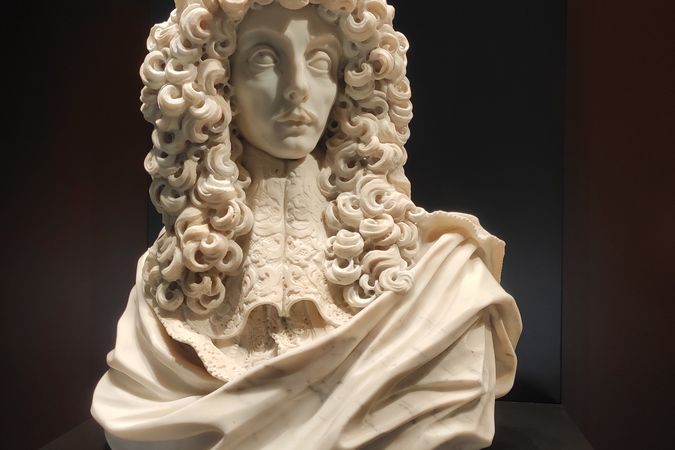
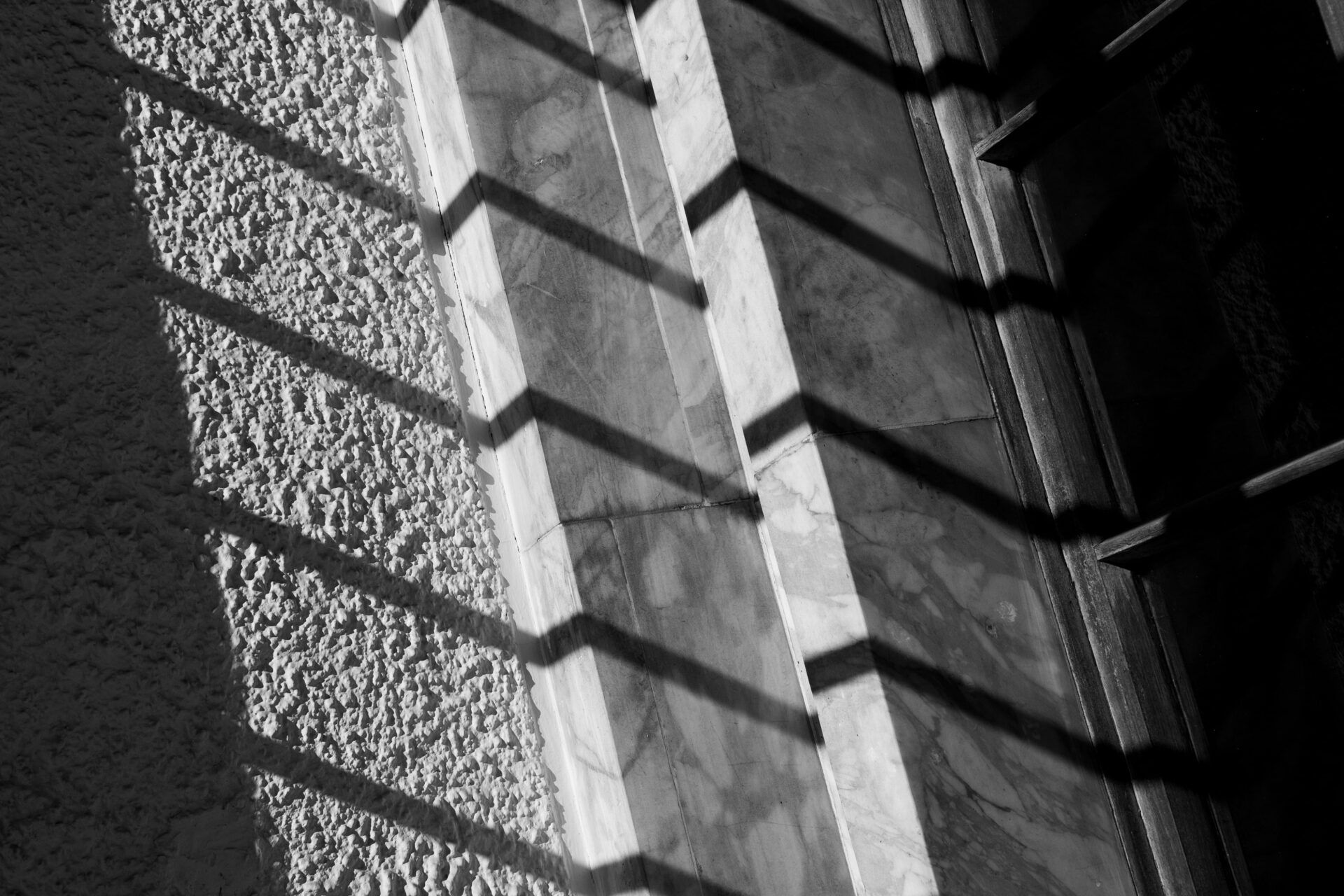
This marks the third participation of the Museum, which — since the completion of restoration and reorganization operations — has been constantly engaged in exhibitions, projects, and meetings aimed at enhancing its cultural heritage. The preserved Collection ranges from the 19th to the 20th century, in a path divided between Internal Rooms and Monumental Area. The latter environment has been identified as ideal for interpreting the "Geographies of contemporaneity," the protagonists of this new edition of the Day of Contemporary Art and therefore of the new event of the Casa del Mutilato di Genova exhibition "VIVA. For a present public art."
“VIVA. For a present public art — III”, curated by Cultural Director Matteo Lenuzza (Fondazione A.N.M.I.G. – Liguria Casa del Mutilato di Genova) and Art Historian Valentina Cervella, supported by President Guido Vinacci (Fondazione A.N.M.I.G. – Genova), once again explores the relationship between twentieth-century public art and its dimension in the present. Through an unprecedented dialogue between works, the audience will be encouraged to develop a personal reflection on the impact of the two contributions specially made for the 22nd Day of Contemporary Art — available for free consultation on casadelmutilato.medium.com.
This event is in continuity with previous meetings related to art accessibility promoted by the institution, featuring figures such as Eugenio Baroni, Guido Galletti, and Antonio Maria Morera. Supporting public art and enhancing it are part of the missions of Fondazione A.N.M.I.G. — Liguria aimed at inclusivity through projects that interpret the historical values of the institution.
Curated by