About
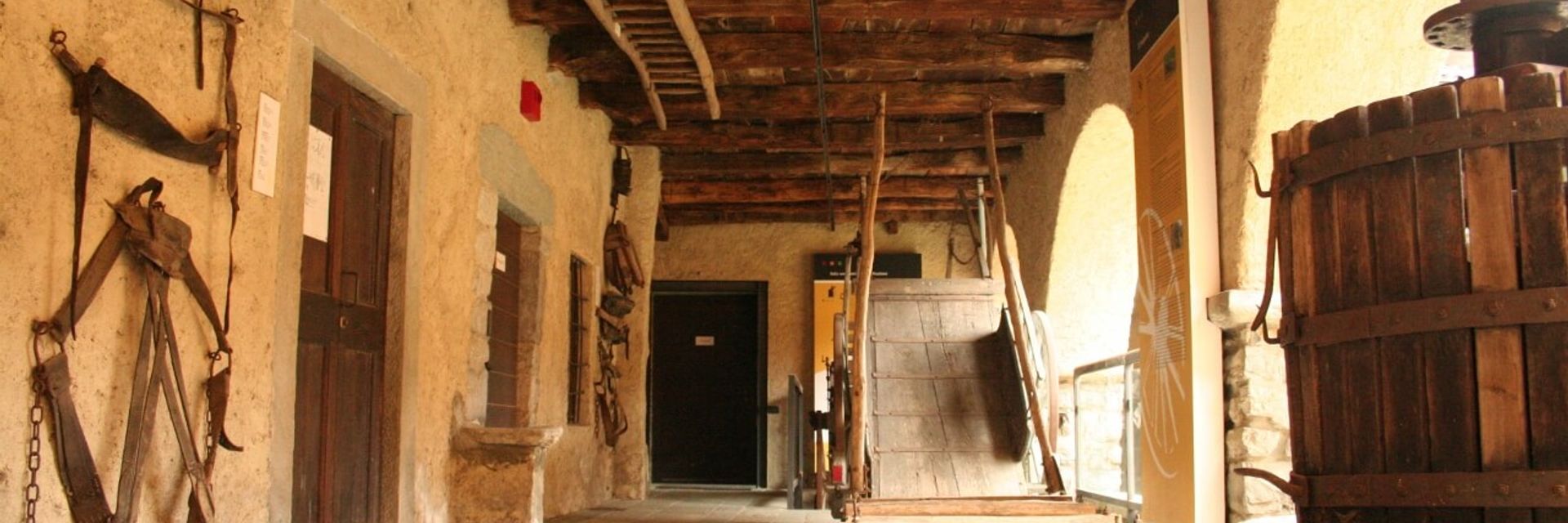
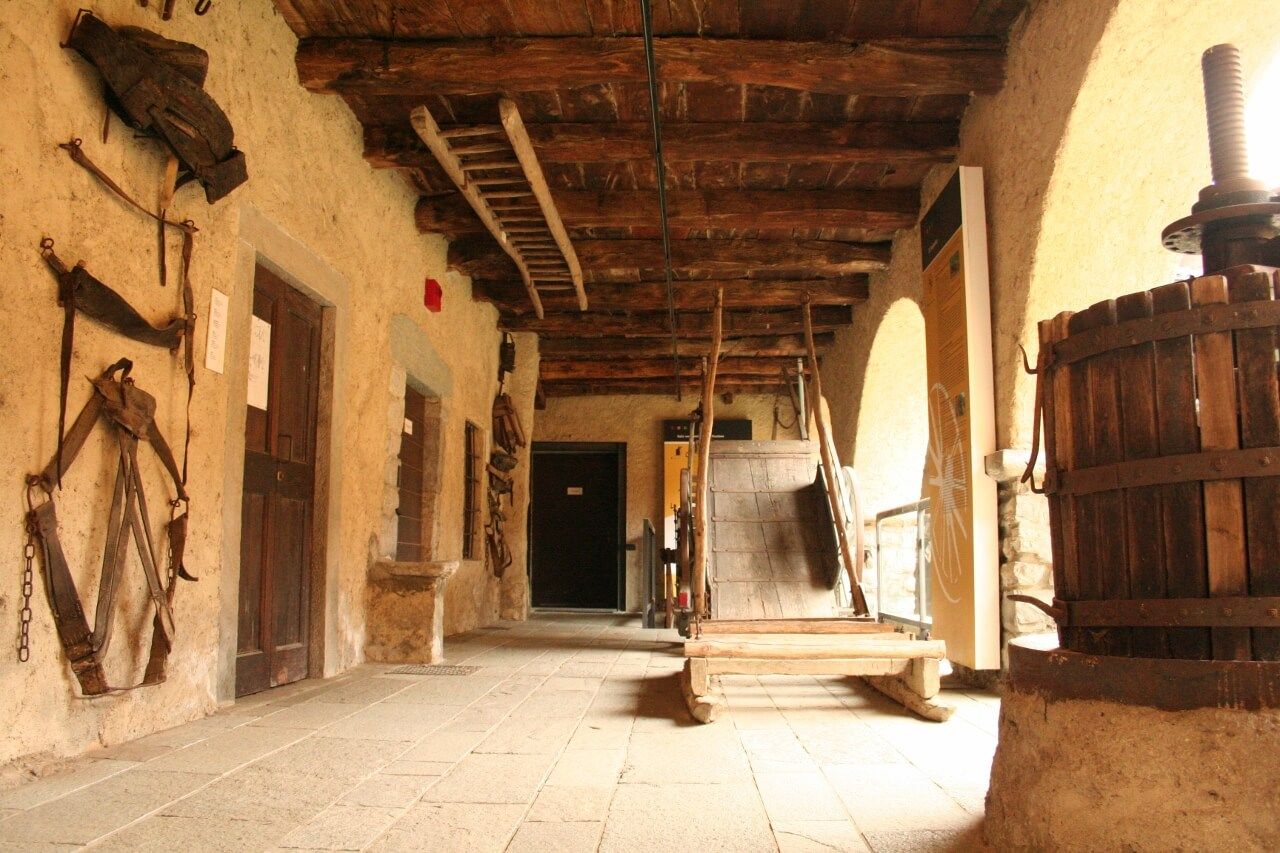
The Museo Etnografico dell'Alta Brianza documents the daily life, particularly of the lower classes, of those who have lived and live in Brianza and Lecchese. The dialogue between researchers and bearers of local culture allows to illustrate with objects and audiovisual documents occupations, customs, and beliefs of this territory and the ongoing changes. The permanent sections of the Museum are dedicated to viticulture, agricultural work, livestock farming, food, and the Pan flute (firlinfö), which in the twentieth century became the musical instrument symbol of local folklore. In addition to the permanent exhibition, a floor of the Camporeso headquarters is dedicated to temporary exhibitions, accompanied by original documentaries, focused on social groups with their own culture and on various collective phenomena, from the construction of dry stone walls to professional fishing, from marriage in the past and present to games in their various expressions, from cycling as a playful experience and as a profession to the role of religious objects in daily life and devotional practices, from beliefs and practices related to birth to the role of fundamental trades in the past such as the blacksmith or the cooper, etc.
In the room dedicated to the ethnomusicologist Roberto Leydi, there are meetings, conferences, research reports within an annual review entitled Voices, gestures, cultures. Between local and global, while in the workshops various activities related to research on local cultures are proposed to schools and groups. Outside the museum headquarters, at the Costa Perla roccolo, there is a space dedicated to traditional hunting and bird-catching. Visits to the museum are accompanied by volunteer guides, who testify to the social participation that the MEAB intends to enhance with its research and beyond.
Programme and activities
Guided tours, exhibitions and events at Ethnographic Museum of Alta Brianza will appear here. Follow the museum to get updates.