


About
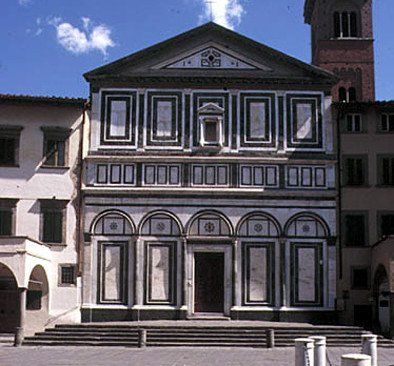
Founded in 1859, the Collegiate Museum is one of the oldest ecclesiastical museums in Italy. It is located in the ancient Palazzo della Propositura adjacent to the Collegiate Church of Sant'Andrea and preserves several masterpieces dating from the 13th to the 17th century from the churches of the Empolese plover. The path begins on the ground floor, where, in addition to some sculptural works of great value, such as the elegant Madonna and Child by Mino da Fiesole, the baptismal font attributed to Bernardo Rossellino and the extraordinary detached fresco depicting the Christ in pity are exhibited. Masolino da Panicale. In Empoli, other testimonies of the work of this famous artist can be found in the Chapel of Sant'Elena of the nearby Church of Santo Stefano degli Agostiniani, part of the museum itinerary. On the main floor there is the art gallery where the paintings are presented in chronological order: from the oldest works, such as the polyptych of the anonymous Pistoian artist known as Maestro of 1310, to the fully fifteenth-century ones, including two triptychs by Lorenzo Monaco and the small Majesty of Filippo Lippi, up to the works of the Botticini, a family of painters active until the early decades of the sixteenth century. They were responsible for the pictorial decoration of the two monumental tabernacles from the Collegiate Church, the Tabernacle of San Sebastiano, made by Francesco Botticini and Antonio Rossellino and the Tabernacle of the Sacrament by Francesco and Raffaello Botticini. On the walls of the loggia overlooking the cloister, the visit ends with a repertoire of glazed terracotta from the Della Robbia and Buglioni workshops.
Programme and activities
Guided tours, exhibitions and events at Museum of the Collegiate Church of Sant'Andrea will appear here. Follow the museum to get updates.


