


About
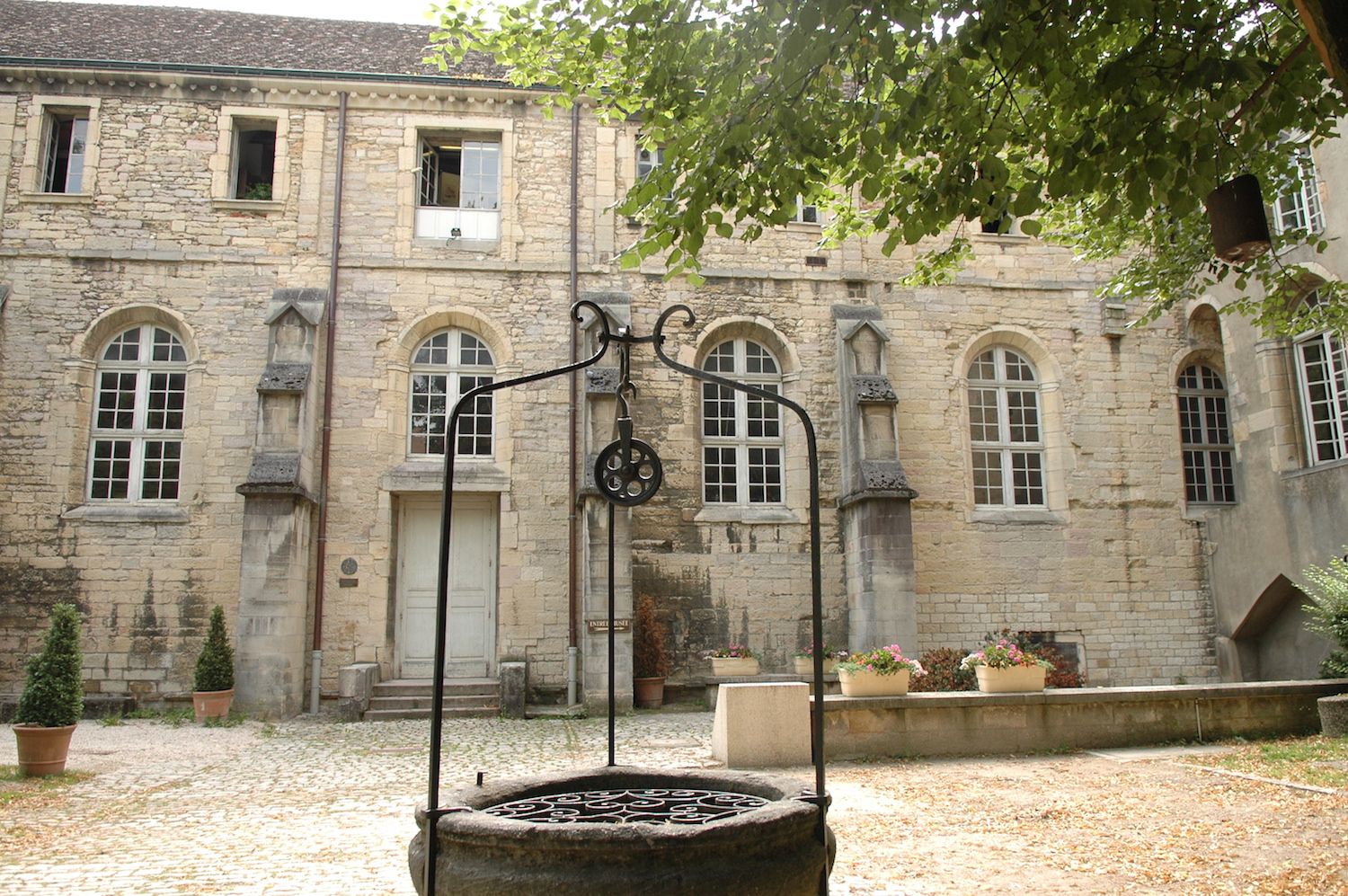
The Musée Archéologique is a Dijon museum dedicated to the archeology of the Burgundy region. Founded in 1832, its collection preserves archaeological finds from prehistoric times to medieval times. The museum is housed in the central nave of the ancient 6th century abbey of Saint-Benigne. The history of the archaeological museum's collections begins at the end of the 18th century on the initiative of scholars and intellectuals of the city, such as the members of the Academy of Dijon, who had the aim of promoting archaeological excavations, preserving historical monuments and publishing and preserving the finds discovered. Today, the museum's collection includes artifacts from all over the Burgundy region, especially from sites such as the Rooster Roman sanctuary of Source-Seine and the Castrum of Dijon. There are finds such as votive statuettes, many of which are dedicated to the Celtic-Welsh mythology goddess Sequana, as well as various stems and bas-reliefs. There are also several finds from the early Christian and Merovingian times, such as jewels, ceramics and various types of artifacts. As for the medieval period, Romanesque and Gothic statues are preserved including, the Christ with the crown of thorns by Claus Sluter, dated at the beginning of the 15th century, fragment of a limestone crucifix.
Programme and activities
Guided tours, exhibitions and events at Dijon Archaeological Museum will appear here. Follow the museum to get updates.


