

About
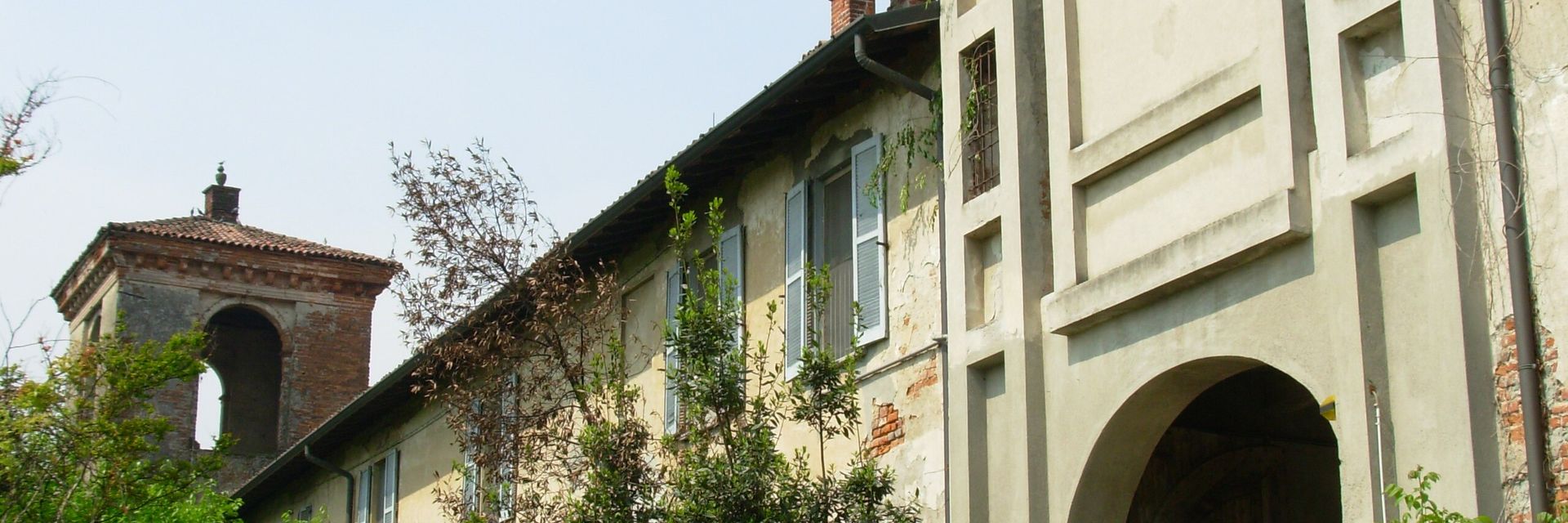
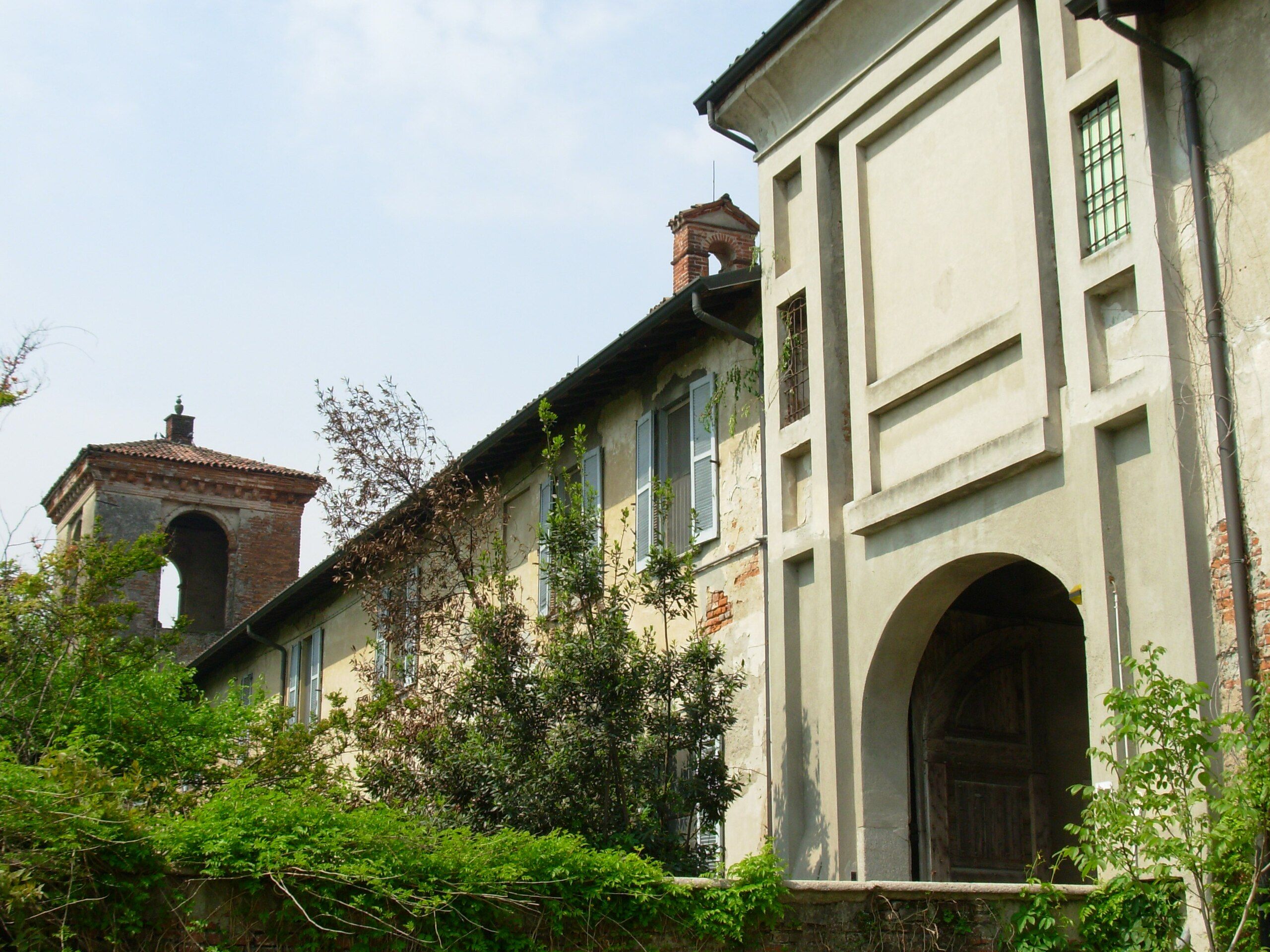
The Castle of Carpiano, located in the homonymous municipality near Milan, is a fascinating historical complex that stands out for its intricate history and suggestive details. From a military outpost in the 11th century to a fortified farmhouse in the 16th century, the castle has gone through different eras while maintaining its historical relevance.
The castle, originally a military outpost, was transformed by the Carthusians into a fortified farmhouse with a rectangular shape and four corner towers. The loggia on the southwest tower, the marble decorations, and the still visible frescoes testify to the grandeur of the architecture. For a period of about fifty years, the castle was leased to tenants, but later the Carthusians began to inhabit it directly, turning it into a convent. Owning these lands not only meant managing and exploiting the surrounding farmland but also controlling the entire village of Carpiano, including buildings such as houses, shops, and various professionals like blacksmiths, carpenters, masons, and potters. These properties generated significant income through perpetual rents.
With the increasing economic power of Carpiano, the castle served not only as an administrative and organizational headquarters but also transformed into an important agricultural center. During the Battle of the Giants in 1515, the castle suffered damages due to the passage and stay of troops in the territory. However, between 1544 and 1549, it underwent renovations and fortifications that increased its splendor. During this period, it became a fortified farmhouse enriched with frescoes and sculptures, some of which came from the Certosa di Pavia. The structure we see today partly reflects this historical transformation.
Programme and activities
Guided tours, exhibitions and events at Visconti Castle of Carpiano will appear here. Follow the museum to get updates.