About
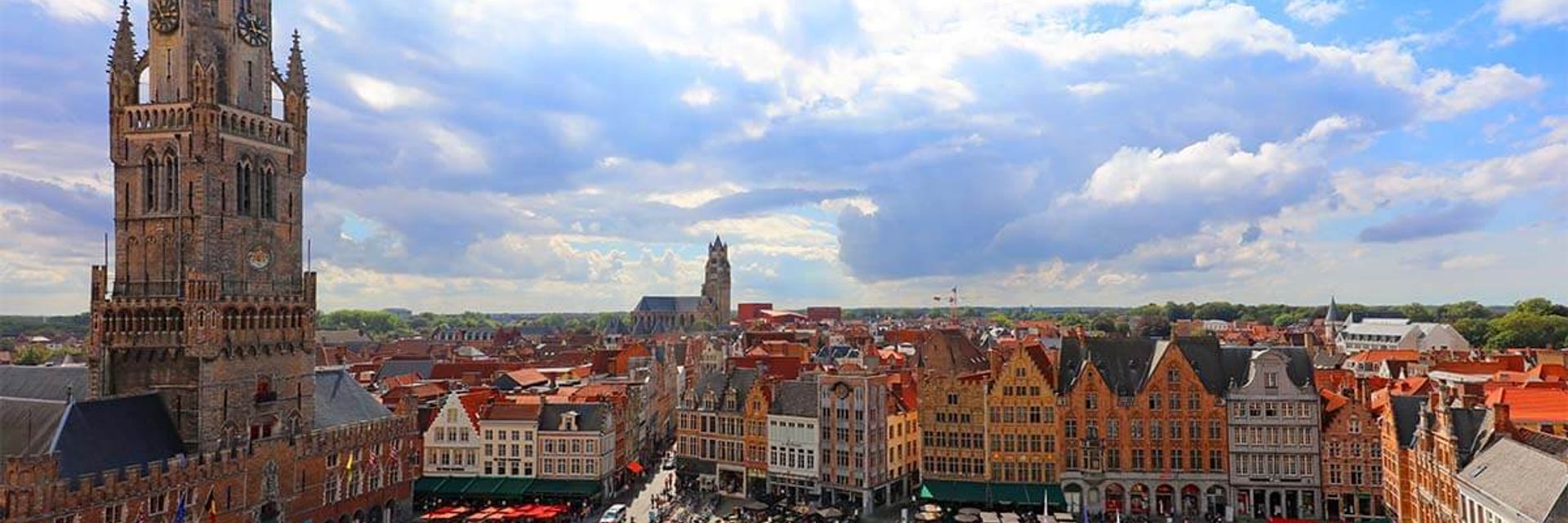
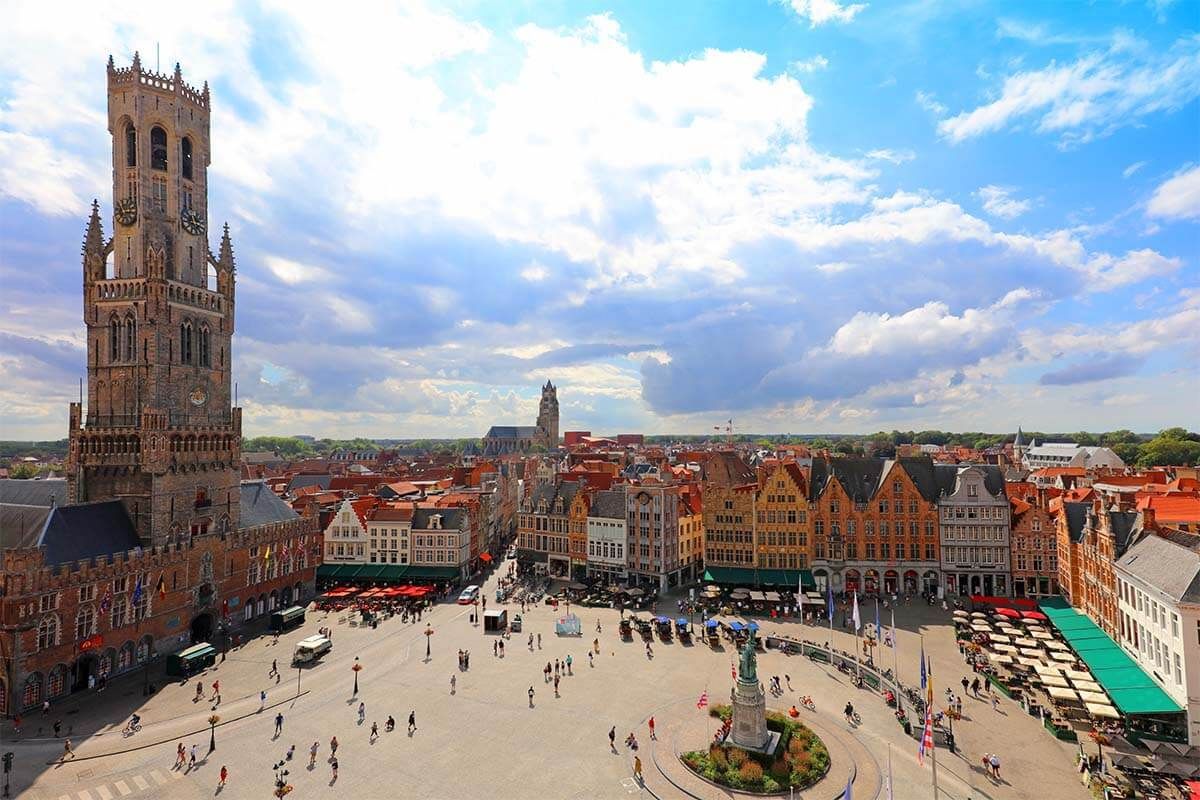
The Civic Tower, with the Covered Gallery at the bottom, has been watching over Bruges for centuries. Recognized as a UNESCO World Heritage Site, the building was constructed between the 13th and 15th centuries. Since then, this iconic symbol of power, prosperity, and freedom in medieval Bruges has been a recognizable beacon in the city skyline.
If you truly want to experience the Civic Tower, climb the 366 steps leading to its top. Along the way, you will discover the history of this 83-meter-high tower. At the top, a breathtaking view of Bruges and its surroundings awaits you.
It is not known exactly when the Civic Tower was built, but probably in the early 13th century there was already a covered wooden gallery with a tower overlooking the Market Square. A stone version was presumably erected around 1240, but in 1280 a fire struck the building, causing part of it to go up in flames. The inhabitants of Bruges almost immediately began repairs and continued to expand the building in the 14th and 15th centuries. Thus, the tower gradually grew in height.
Finally, between 1482 and 1486, the Civic Tower was topped with its distinctive octagonal superstructure in Brabant sandstone, originally crowned by a wooden spire, which was lost in a fire shortly after its completion, then rebuilt and was later destroyed again by lightning in 1741. This is how the tower acquired its current silhouette in the 18th century.
Programme and activities
Guided tours, exhibitions and events at Belfry will appear here. Follow the museum to get updates.